Original source
Why does China treat its old people so well?
Aging in China: Family Care and Senior Well-being
China's ageing population is one of the biggest challenges facing the Chinese, people, government and economy in the next few decades.
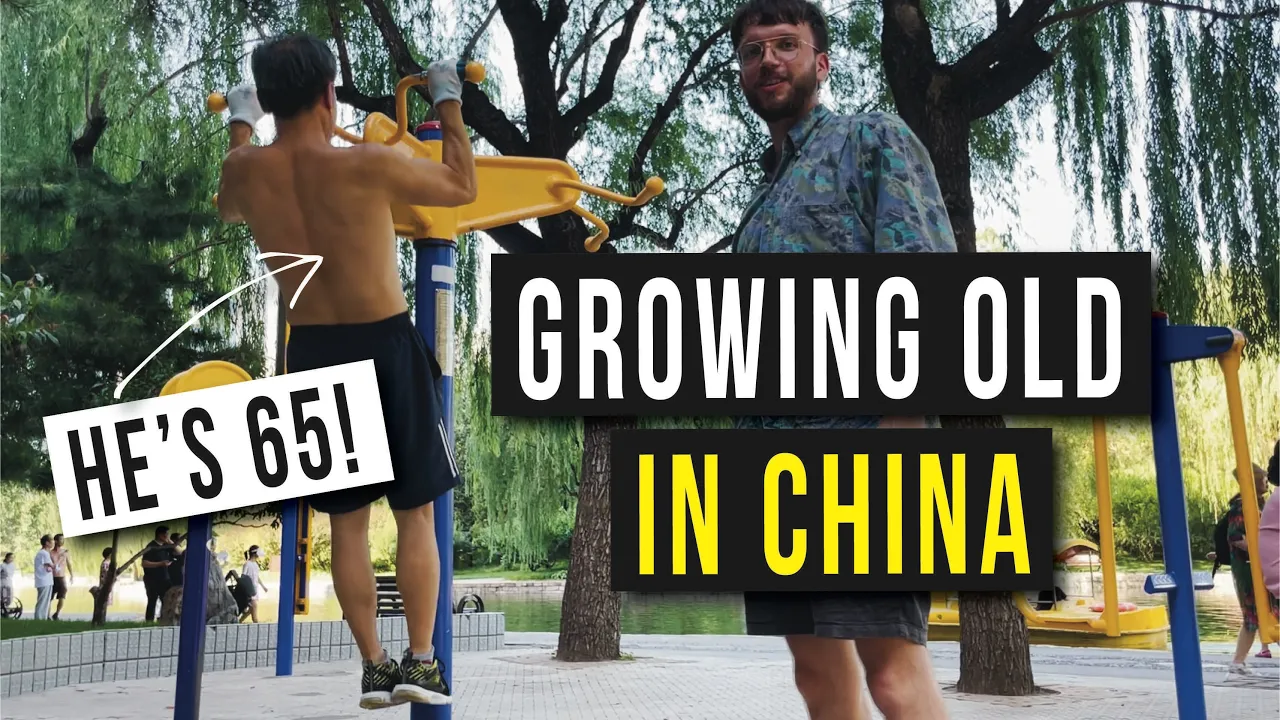
In this week's video, we explore the Chinese attitude towards its retired old people and why young Chinese people are happy to care for their elderly compatriots,...
China's ageing population is one of the biggest challenges facing the Chinese, people, government and economy in the next few decades.
In this week's video, we explore the Chinese attitude towards its retired old people and why young Chinese people are happy to care for their elderly compatriots, even as the cost of paying their pensions starts to put a squeeze on Chinese finances.
Even as China's population demographics become ever older, we also learn about why being old in China is actually really not a bad thing at all!
Discover the heartwarming reality of aging in China. This video explores the unique cultural attitudes and societal structures that support the elderly, challenging common perceptions. See how families and communities actively contribute to the well-being of their senior citizens, creating a vibrant and fulfilling experience of growing older in China. Prepare to be surprised by the positive aspects of aging in this dynamic nation!
China's ageing population is one of the biggest challenges facing the Chinese, people, government and economy in the next few decades.
In this week's video, we explore the Chinese attitude towards its retired old people and why young Chinese people are happy to care for their elderly compatriots, even as the cost of paying their pensions starts to put a squeeze on Chinese finances.
Even as China's population demographics become ever older, we also learn about why being old in China is actually really not a bad thing at all!
This video explores the contrasting experiences of aging in the UK and China, focusing on the unique cultural attitudes and societal structures that shape the lives of older adults in each country. Nico and Jack, the video's hosts, begin by discussing Jack's anxieties about aging, which are then contrasted with the surprisingly active and fulfilling lives of many older adults in China.
The video highlights the significant role of parks and public spaces in the daily lives of Chinese seniors. These locations serve as hubs for social interaction, exercise, and recreational activities, showcasing a level of engagement and vitality that contrasts with the often-isolated experiences of older people in the UK. The relatively early retirement age in China (60 for men, 55 for women, and 50 for some women in blue-collar jobs) is also noted, contributing to the active lifestyle of many retirees.
However, the video also acknowledges the demographic challenges facing China, with its rapidly aging population and declining birth rate. This is contrasted with the traditional family structures in China, where multiple generations often live together, sharing responsibilities for childcare and eldercare. This intergenerational living arrangement is presented as a key factor in the support and care provided to older adults, differing significantly from the Western model where elderly care often falls primarily on the state or specialized facilities.
Nico shares personal anecdotes about growing up with grandparents who played a significant role in their upbringing, contrasting this with the common experience in the UK where multiple generations living together is less frequent. The concept of filial piety, a Confucian principle emphasizing respect for elders, is introduced as a cultural cornerstone that shapes attitudes towards aging and family responsibilities in China. The video also touches upon the importance of respecting seniority in the workplace, highlighting how age and experience influence authority and social dynamics.
The video further explores the realities of aging in rural areas of China, where older adults may be more isolated due to their children migrating to cities for work. The contrast between the bustling city life of retirees and the potential loneliness of rural elders is highlighted, showcasing the complexities of an aging population in a rapidly developing nation. A poignant story is shared about an elderly man who tragically took his own life after being ignored by his eight children, emphasizing the importance of family support and the challenges faced by older adults in some areas.
In conclusion, the video offers a nuanced perspective on aging in China, showcasing both the positive aspects of a culture that values its elders and the challenges presented by a rapidly changing demographic landscape. Nico and Jack's personal reflections and observations weave together to create a compelling narrative that highlights the complexities and heartwarming aspects of growing old in China.
Discover the heartwarming reality of aging in China, where respect for elders is deeply ingrained in the culture. Join Nico and Jack as they explore the vibrant lives of Chinese seniors, from lively park activities to the unique dynamics of multigenerational families. This isn't just a story about demographics; it's a touching exploration of filial piety and the surprising joys of growing old in a society that values its elders.
Nico explores the surprising joys of aging in China, witnessing vibrant senior communities and the strong family bonds that support them. A heartwarming journey showing respect for elders and multigenerational living.
China's Aging Population: Respect for Elders & Multigenerational Living
2:09 When in China, embrace the active social life of the parks and public spaces. Engage with the locals, participate in games, and experience the vibrant energy of the senior community. It's a unique cultural experience.
5:34 Understanding filial piety is key to grasping the Chinese attitude towards elders. Respect for elders is deeply ingrained in the culture and shapes family dynamics and societal structures. Learn about this important Confucian concept.
5:57 Navigating the Chinese workplace requires respect for seniority. Older colleagues often hold significant authority, and understanding this dynamic is crucial for smooth professional interactions. Observe and learn from those around you.
7:54 Consider China as a potential retirement destination. The active lifestyle of many Chinese seniors, along with the strong emphasis on family support, makes it a unique and potentially fulfilling place to spend one's later years. Explore the possibilities.
8:56 When exploring rural China, be aware that the experiences of aging can differ significantly from those in urban areas. Family structures and support systems may vary, and it's important to be sensitive to these differences. Engage respectfully with local communities.
0:00 Introduction of topic
0:52 Active Chinese seniors
1:18 UK vs China aging
2:09 Being old in China
3:31 Financial burden of aging
5:34 Filial piety
5:57 Age in workplace
7:54 Retirement in China
8:56 Rural vs city aging
9:46 Old people's homes
0:00 Introduction of topic
0:52 Active Chinese seniors
1:18 UK vs China aging
2:09 Being old in China
3:31 Financial burden of aging
5:34 Filial piety
5:57 Age in workplace
7:54 Retirement in China
8:56 Rural vs city aging
9:46 Old people's homes