Travel Guides & Tips in this video
Sven Travel spends a day exploring Beijing’s Forbidden City and nearby landmarks in traditional Chinese warrior attire. He visits the Palace Museum, including the Hall of Supreme Harmony and the Imperial Garden, and walks through side alleys and courtyards. His costume draws friendly attention from locals. From Jingshan Park, he looks over the Forbidden City before visiting Tiananmen Square. He shares practical observations about arriving early, weekday crowds and limited food options inside the palace complex. The trip is a personal route through major historic sites and the reactions they inspire.
Next travel video:

More about the current video:()

Entering the Forbidden City
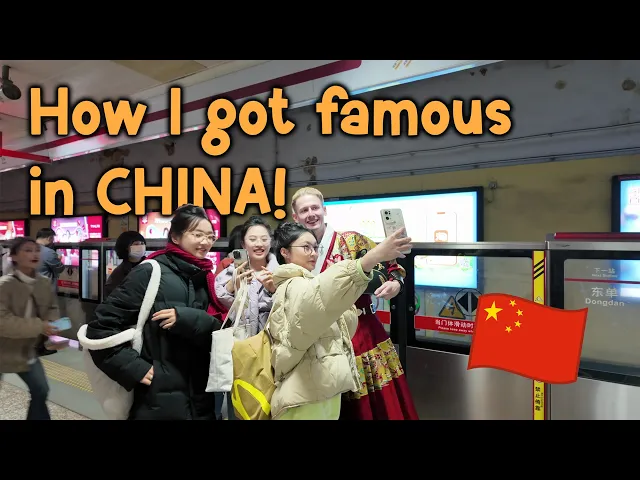
Sven Travel starts the day at the Forbidden City in Beijing, dressed in traditional Chinese warrior attire. The outfit draws attention and compliments from local visitors, making conversations part of the day. Once inside the Palace Museum, he explores the halls, courtyards and side lanes. He discusses the site’s history and its former role as a palace reserved for emperors and selected visitors. The scale of the complex becomes clear as he moves between major buildings and quieter corners.
The route includes the Hall of Supreme Harmony, the Palace of Heavenly Purity and the Imperial Garden. Sven points out architectural details and the different feel of the formal halls and planted spaces. He also mentions the story that the Forbidden City had 9,999 rooms, presenting it as a familiar claim associated with the site. His walk gives viewers a personal look at both well-known areas and less-traveled paths within the museum.
Jingshan Park and Tiananmen Square
After leaving the Forbidden City, Sven climbs at Jingshan Park for an elevated view over the palace roofs. The hill gives a broad perspective on the complex and the surrounding city. Visitors who make the climb can see the layout from above, though the route requires walking uphill. Sven continues to Beihai Park, where he shows the lake and White Dagoba, before reaching Tiananmen Square. Security checks are visible at the square, and its scale contrasts with the more enclosed courtyards of the Forbidden City.
The day is shaped by interactions as well as landmarks. People notice Sven’s costume and respond warmly, making his clothing a point of connection with local visitors. He recommends arriving early and notes that food options inside the Forbidden City are limited, so carrying snacks can be useful. He also advises checking opening schedules: the Palace Museum is closed on Mondays, and weekdays can be less crowded. These are practical points from his visit, and travelers should confirm current rules and ticket availability before going. The itinerary links palace history, gardens, a hilltop view and a major public square in one day.
A day across Beijing landmarks
Sven’s route links historic sites and public spaces within the city. He begins at the Forbidden City, whose palace buildings and gardens take time to explore, then climbs at Jingshan Park for a view back over the complex. Beihai Park adds a lakeside stop and the White Dagoba before the visit continues to Tiananmen Square. The different settings make the day varied: formal halls, courtyards, an elevated viewpoint and a large public square. Sven’s clothing draws comments along the way, and these encounters are a recurring part of his experience. The itinerary is a personal account rather than a complete guide to Beijing, and current access conditions should be checked before planning a visit.
FAQs (From the traveler's perspective)
- Q: What landmarks did Sven visit in Beijing?
- A: He explored the Forbidden City, climbed Jingshan Park for a view, visited Beihai Park and continued to Tiananmen Square.
- Q: What did Sven wear at the Forbidden City?
- A: He wore traditional Chinese warrior attire, which attracted attention and friendly comments from local visitors.
- Q: What practical advice did he share for visiting the Forbidden City?
- A: He recommends arriving early, bringing snacks because food options inside are limited, and checking current schedules and tickets. The Palace Museum was closed on Mondays during the period described.