
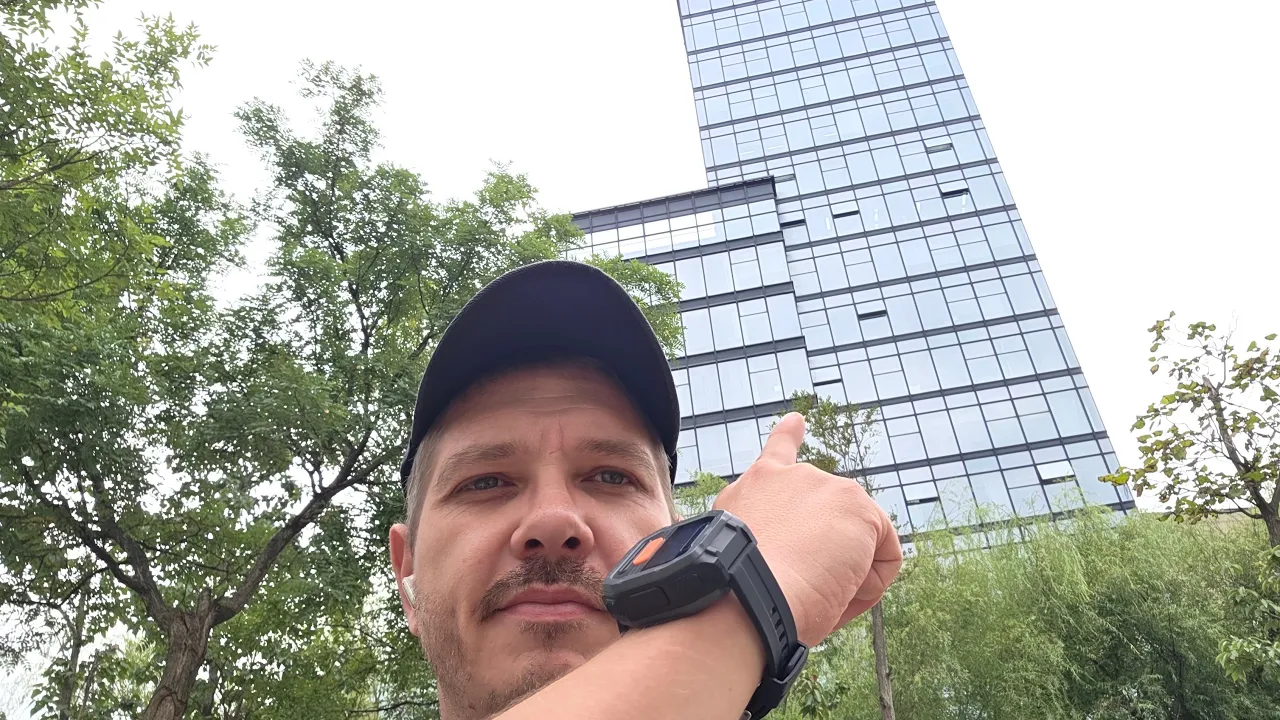
Travel Guides & Tips in this video
China with Jerry describes how he moved from teaching English, running coffee shops and video work into product sourcing and supply-chain services. He explains his factory-mapping approach: products cluster in particular provinces and cities, where related suppliers and expertise form local ecosystems. He identifies Shandong as the province where he is filming and points to large machinery as an example. Jerry says he researched industrial clusters, then looked at Alibaba for gaps. He describes serving South African customers, later receiving inquiries from New Zealand, the United States and Australia, and says his company handles sourcing, product development, shipping and packing. These are his personal business claims; the city where he is walking is not identified.
More about the current video:()
Shandong factory mapping in Jerry's sourcing story
Walking beside a waterway, Jerry says he wants to explain how he makes money in China. He describes living in the country for 11 years, having a wife and three children, and trying several kinds of work before developing his current business. He mentions coffee shops, English teaching and video work. The captions do not establish the city where he is walking, but he names Shandong as the province where he is filming.
Jerry calls his approach factory mapping. He says products tend to be concentrated in particular provinces and cities, where workers, machinery and suppliers build experience around related industries. Shandong factory mapping is his example of starting with those regional clusters rather than treating every factory as an isolated source. He points to large machinery, trucks and excavators when discussing the province's industrial work. These are Jerry's explanations of his own method, not an independent survey of manufacturing.
How Jerry describes supplier networks
He says those clusters can include more than production space. His examples connect parts, delivery, management and training, creating supplier ecosystems around an industry. After researching manufacturing clusters, Jerry says he looked at Alibaba to identify gaps. He presents the platform as one part of his research process, alongside what he learned about factories and their local networks.
Jerry says his business began by serving South African customers buying from China. He later received inquiries from New Zealand, the United States and Australia. He describes Go Safa as offering sourcing, supply-chain coordination, product development, shipping and packing. He says more than 38 people work for him, mentions four offices in one building, and says he plans to open offices in other countries. Shanghai comes up as a possible future office location, not the place shown in this walk. Jerry also says the business started without investment. Those details are his account of the company and its plans; the video does not independently verify them.
The central idea in this Shandong factory mapping story is to look at the surrounding suppliers and skills as well as a product itself. Jerry describes how he applies that idea to sourcing in China, while the exact city and the scale of the business remain unconfirmed by the video.
FAQs (From the traveler's perspective)
- Q: What does Jerry mean by factory mapping?
- A: He describes products as concentrated in particular provinces and cities, where factories and related expertise develop around them.
- Q: What work did Jerry do before product sourcing?
- A: He says he tried coffee shops, worked as an English teacher and did video work.
- Q: Which province does Jerry identify?
- A: He names Shandong as the province where he is filming and discusses its machinery industries.
- Q: What services does Jerry say his business offers?
- A: He describes sourcing, supply-chain coordination, product development, shipping and packing. These are his statements about his business.
- Q: Which overseas markets does Jerry mention?
- A: He says he began serving South African customers and later received inquiries from New Zealand, the United States and Australia.