
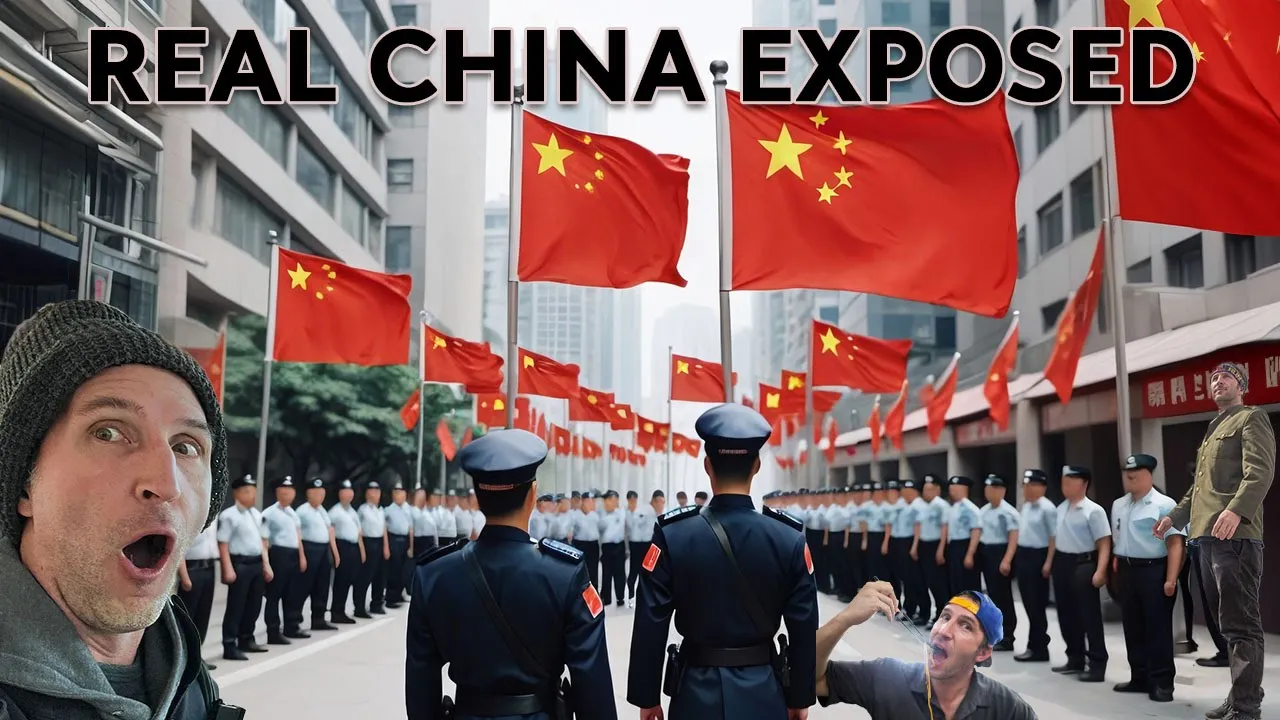
Travel Guides & Tips in this video
Eric G visits Chengdu in Sichuan for the first time to compare his expectations with everyday life. He finds clean streets, markets, older architecture beside modern amenities, bike lanes, and electric vehicles. He samples spicy food and milk tea, observes a traditional game and CCTV cameras, and talks about construction, city planning, and homelessness. The trip includes kebabs, affordable snacks, and reflections on privacy and the 144-hour transit visa. His views shift as he experiences the city firsthand.
Next travel video:

More about the current video:()

Markets, street design, and daily life
Eric G makes his first trip to Chengdu, Sichuan Province, hoping to understand the city beyond what he has heard about China. He visits a downtown walking street and a farmers market, where he finds the streets clean and sees bins for rubbish and recycling, along with mobile street sweepers. He also notices construction workers organized around their work, with water and bikes available, and a construction bank situated beside a construction site.
The city planning reminds him of Europe, with cafes and outdoor dining along the streets. Eric sees ancient architecture beside modern amenities, including a Starbucks or a convincing knockoff. He observes a traditional Chinese game, school uniforms, Western brands, designated bike lanes, and electric vehicles that contribute to quieter streets. CCTV cameras are common, prompting him to reflect on privacy and surveillance. He also encounters a homeless man and considers differences in how homelessness is experienced.
Chengdu food and first impressions
Eric samples spicy Sichuan food and discovers how hot the local kebabs can be. He drinks milk tea and tries street snacks, including a treat that costs 10 Yen for three. He advises visitors not to order spicy chicken unless they tolerate a lot of heat. The food is affordable compared with prices he knows in Japan.
His observations include construction, the mix of old and new buildings, bike lanes, cars, and public cleanliness. He describes Chengdu as cleaner and more developed than he expected, while making clear that this is his impression from one visit. His initial surprise turns into greater appreciation of the city's combination of traditional and modern elements. He encourages viewers to rely on firsthand experience rather than media portrayals and to form their own views by visiting.
The visit is shaped by small encounters with street vendors and residents. Eric negotiates prices and observes the urban environment, from busy markets to modern streets and public spaces. He also mentions the 144-hour transit visa available to travelers, which he says allows entry without a lengthy application process. The video presents his changing impressions as he explores Chengdu and tries local food.
FAQs (From the traveler's perspective)
- Q: What surprised Eric about Chengdu?
- A: He is surprised by the city's cleanliness, including rubbish and recycling bins and mobile street sweepers. He also notices modern streets, traditional architecture, and affordable food.
- Q: What food does Eric try in Chengdu?
- A: He samples local street snacks, milk tea, and spicy kebabs. One snack costs 10 Yen for three, and he warns that the local kebabs are very spicy.
- Q: What does Eric notice about construction and city planning?
- A: He sees organized construction workers with water and bikes, and a construction bank next to a construction site. He also describes cafes and outdoor dining along streets in a style he compares with Europe.
- Q: What does Eric say about the transit visa?
- A: He mentions a 144-hour transit visa that allows entry without a lengthy application process. This is part of his observations about travel to China.
