
Travel Guides & Tips in this video
Tim Chambers rides from Puxi to Pudong by ferry with William to see whether the East Bund cycle path has been extended south. They take e-bikes from the Pudong side and follow a newly extended path past art and photography spaces, an area planned for AI work, and repurposed oil tankers used as augmented-reality spaces. The route includes parks and recreational facilities, including a playground, a sports center, and a dog park. At one park a security guard politely asks them to leave the grass. They find that the path ends at a wall, then return by ferry and visit Long Hua Pagoda and Temple. Tim also describes ferry fares, bike parking, and using Alipay to rent the bikes.
Next travel video:

More about the current video:()

Ferry across the Huangpu
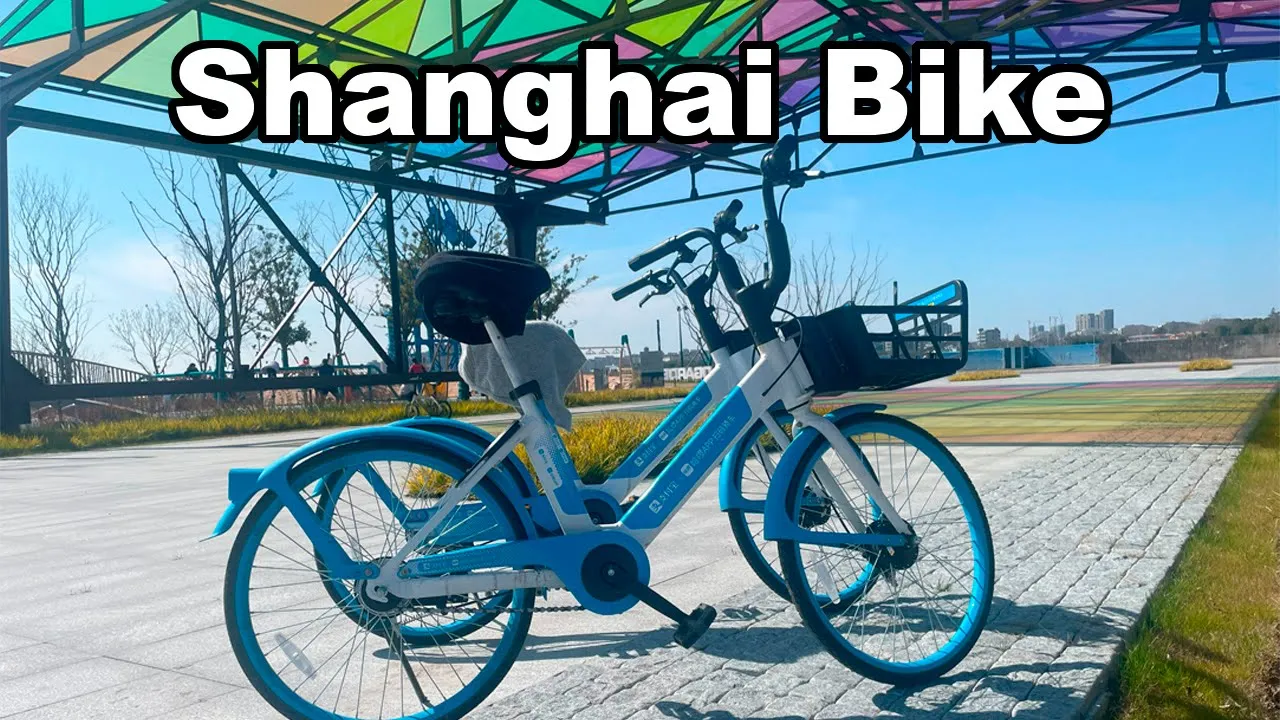
Tim Chambers and William set out from Puxi during Chinese New Year to explore the southern extension of Shanghai’s East Bund cycle path. They take a ferry from Gangkou jetty to Pudong and note the fare for passengers and bikes, along with views of the river and skyline. On the Pudong side, they rent e-bikes using Alipay and check the rental app as they go. Tim advises inspecting the bike, especially its chain, before riding. The ferry and bike arrangement sets up a route that lets them test how far the cycle path now continues.
Riding the East Bund cycle path
The cycle path is newly extended and well maintained. Along the way, Tim and William pass art museums, a photography center, an area developing around AI, and old oil tankers repurposed as augmented-reality spaces. They also see a sports center, parks, a playground with climbing structures, and a dog park. At one park, a security guard politely tells them they cannot sit on the grass. The ride continues along a straight section until the path reaches a wall; the characters there appear to suggest that the route may continue in the future.
The pair return by ferry and revisit Long Hua Pagoda and Temple. Tim reflects on the cycle path’s extension and the new parks along it, as well as how old cranes and warehouses have been incorporated into the scenery. Their ride covers a few kilometers toward the next ferry and provides a view of Shanghai’s developing waterfront. The video combines practical notes on rentals and parking with observations about the area’s infrastructure and design. Tim and William also use the trip to compare the new path with what Tim had previously filmed. He checks whether the southward extension is finished, then rides the route rather than relying only on map information. They point out how the waterfront development incorporates older cranes and warehouses, and how new public facilities sit beside future commercial projects. The playground has climbing structures, and one park provides a dedicated dog area. The polite request to leave the grass becomes a small example of the rules visitors encounter in public spaces. At the southern end, the wall interrupts their ride; they notice characters that seem to indicate the path will eventually continue. They then cycle back toward the ferry rather than claiming the whole route is complete. This visit ends with a return crossing and another look at Long Hua Pagoda and Temple, connecting the modern waterfront ride with a historic site.
FAQs (From the traveler's perspective)
- Q: How much does the ferry cost with a bike?
- A: Tim estimates the ferry usually costs two yuan for a person and 2.8 yuan for a bike. He notes the cost during the crossing from Puxi to Pudong.
- Q: How far did they cycle?
- A: Tim and William cycle a few kilometers south along the new East Bund path. Tim says this took them about three or four kilometers and brought them halfway to the next ferry.
- Q: What surprised Tim on the ride?
- A: He was surprised by the extension of the cycle path and the number of new parks along it. Their route also passes a playground, a dog park, a sports center, and reused oil tankers.
- Q: Were there issues parking the bikes?
- A: The app directed Tim to a paid parking area that was listed at 10 RMB. The final charge was one RMB because they used the ferry within a specified time window.
