
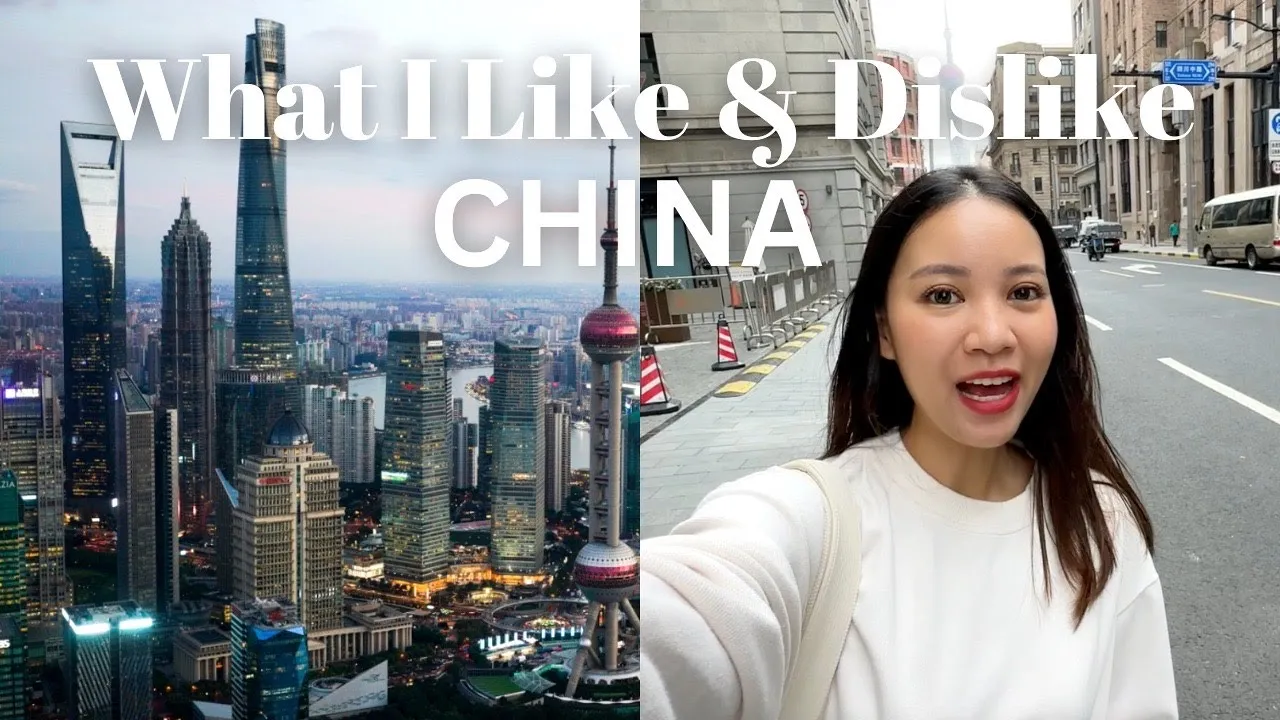
Travel Guides & Tips in this video
FunFancie reflects on life in Shanghai after almost a year in the city. She enjoys QR-code payments and ordering, clean streets, the mix of European and traditional Chinese architecture, the metro, shared bikes, food and the active expat community. She also discusses language barriers, public smoking, crowded social habits, high rent, extreme summer and winter weather, limited holidays, blocked websites and transferring money internationally. Her account is personal: she contrasts what she appreciates with the frustrations she has encountered while living in Shanghai.
Next travel video:

More about the current video:()

Everyday convenience and the city
FunFancie, a Thai expat who has lived in Shanghai for almost a year, describes the conveniences she appreciates. QR codes let her pay and order with her phone, and she finds that apps make routine tasks efficient. She likes how clean the streets are and credits the street cleaners she sees working regularly. The city’s architecture is another highlight: she enjoys the combination of European styles with traditional Chinese buildings and points out the Pearl Tower as part of the skyline around her. She also likes the four seasons, especially spring flowers that she says are free to enjoy, although she finds the summers very hot and the winters freezing.
Getting around is straightforward for her. She praises the affordable metro and the shared bikes available around the city. FunFancie also likes Shanghai’s diverse food, from Chinese dishes to international options, and says she does not miss food from home. She values the large expat community as a place to meet people, especially while living alone. Parks, cute dogs and the city’s active elderly residents are other things she mentions as part of daily life.
Frustrations and personal observations
Her experience is not entirely positive. She describes occasional communication problems when people have limited English, particularly in situations such as banking or booking a hotel. She enjoys practicing Chinese, so the language barrier is both a challenge and an opportunity. Public smoking bothers her, and she has had to adjust to people being direct or pushing past others in crowded spaces without apologizing. She understands this as a difference in social norms that felt uncomfortable at first.
Rent is one of her biggest concerns, and she directs viewers to an earlier video for more detail. FunFancie also discusses transferring money internationally, the limited number of holidays, and restrictions on some international websites and social-media platforms. The chapter list includes topics such as weather, the expat community, Jing’an Temple, food, cycling, dogs and flowers, restaurant service, and the Waibaidu Bridge. Her account stays grounded in her own life in Shanghai rather than claiming that every resident has the same experience. The result is a mixed portrait: she enjoys the convenience, safety, food and architecture while still navigating costs, weather, language and other daily frustrations. She describes feeling safe walking at night and says people can be relaxed about leaving a laptop unattended in a cafe. She also appreciates the active elderly population and the dogs she sees around Shanghai, and notes the many parks and flowers available in spring. Those public spaces add to the variety she finds in the city. At the same time, she points out public smoking as something she dislikes. The city can feel direct in crowded settings: people may push past one another without apologizing, which initially felt uncomfortable to her but later seemed like a local social norm. She also sees a large expat community as a source of companionship and opportunities to meet friends. Cost is another part of the contrast. FunFancie considers rent expensive enough to be one of her main frustrations and mentions a previous video for more detail. She also talks about sending money internationally and the limited number of holidays. Some international websites and social media platforms are blocked, which affects how she uses the internet. She describes Shanghai as a place where everyday systems can be very convenient but where practical adjustments remain part of life. She enjoys the city’s Chinese food and the international choices available, yet still has to navigate communication in settings such as banking or hotel bookings. Her perspective after almost a year is therefore mixed: strong appreciation for the food, transport, people and architecture, alongside clear notes about rent, weather, smoking, language and internet access.
FAQs (From the traveler's perspective)
- Q: How does FunFancie pay for things in Shanghai?
- A: She describes daily life as largely cashless, with QR codes used to pay and place orders through smartphone apps. This convenience is one of the things she appreciates about Shanghai.
- Q: How safe does she feel walking around Shanghai at night?
- A: FunFancie says she feels safe walking at night and is comfortable leaving belongings unattended in some settings, such as a cafe. She describes this as her own experience of the city.
- Q: What is public transportation like for her?
- A: She finds the metro convenient, affordable and useful for getting around Shanghai. Shared bikes are another transport option she uses.
- Q: How does she describe Shanghai’s food?
- A: FunFancie enjoys the range of Chinese and international food available in the city and says she does not miss food from home.
- Q: What is her biggest challenge living in Shanghai?
- A: She points to the high cost of rent as a major drawback and refers viewers to an earlier video for more detail.
- Q: What does she like most about the city?
- A: She values the convenience of mobile payments and apps, along with Shanghai’s architecture and the mix of European and traditional Chinese styles.
