
Travel Guides & Tips in this video
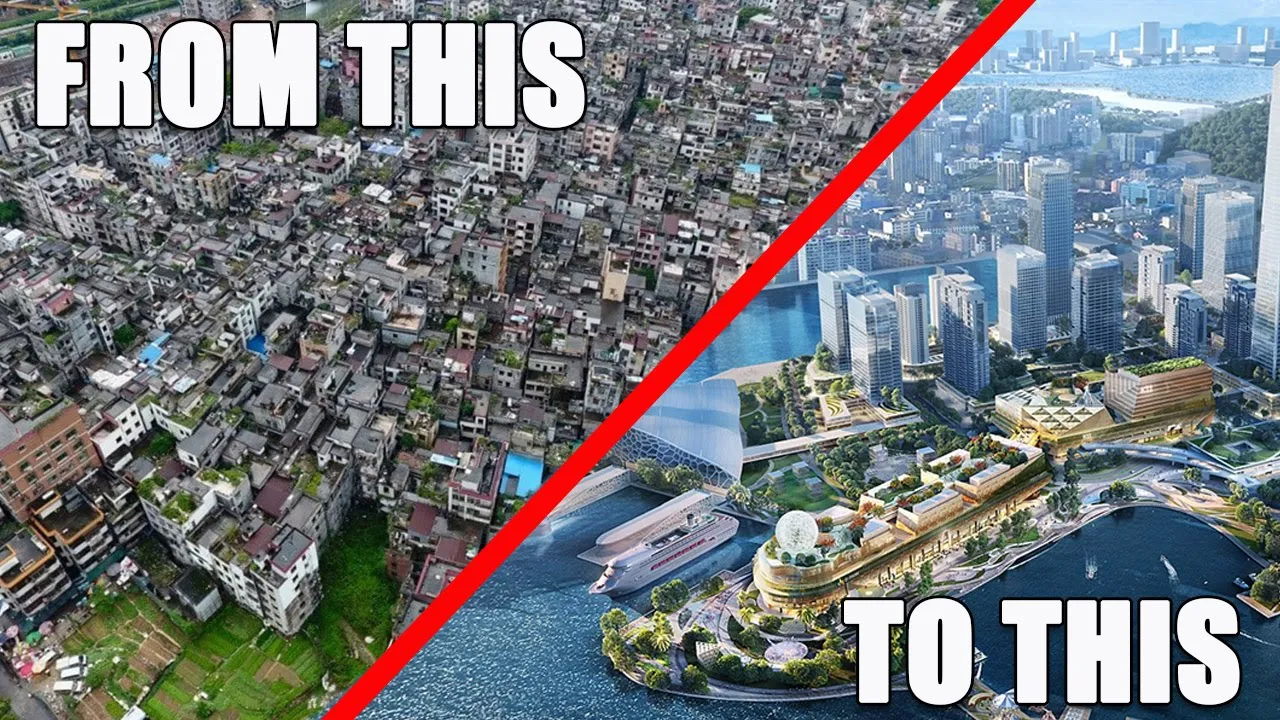
Eric G looks at how Chinese cities are built, contrasting Shenzhen’s dense urban villages with the newer neighborhood of Prince Bay. He points to the villages’ handshake buildings and then considers Prince Bay’s broad sidewalks, separate bike lanes, elevated pedestrian areas and links to the subway and ferry. The walk also covers underground parking, electric-vehicle charging, residential towers connected to street level and public spaces. Eric sees fewer hostile design features, but raises the question of who can afford to live in the area. The visit uses everyday details to assess how a neighborhood serves people.
Next travel video:

More about the current video:()

From urban villages to Prince Bay
Eric G’s city walk starts with Shenzhen’s urban villages, where dense low-rise blocks are commonly known as handshake buildings. They sit alongside the city’s rapid development and have a different street experience from new planned neighborhoods. The video then turns to Prince Bay, a peninsula built on reclaimed land, to examine how its public spaces and transport are designed. The change between the two areas makes it possible to compare the way pedestrians, bicycles, cars and residents move through the built environment.
Prince Bay has wide sidewalks and designated bike paths, with elevated pedestrian zones that separate people walking from vehicle traffic. Eric also notes access to subway service and a ferry terminal, which helps connect the neighborhood to wider transit. These features make the area feel more accessible and relaxing for pedestrians. On-street parking is limited, while underground parking and electric-vehicle charging are available. Looking at these details helps explain how design choices shape a person’s experience of a neighborhood, both positively and negatively.
Housing, access and public space
Residential towers connect more directly to street level than in walled-off compounds. That arrangement can create a closer relationship between homes and the public realm. Eric also points to green areas and public spaces that contribute to the neighborhood’s appeal. He considers hostile architecture, such as benches designed to deter people from resting, and notes its absence in the spaces he visits. These features raise questions about who feels welcome and able to use an area.
Affordable housing remains a concern. Prince Bay may offer thoughtful pedestrian design and useful transit links, but the cost of living there affects who can access those benefits. The video’s broader question is how cities can balance modern infrastructure with social equity. When visiting a new city, people can look at walkability, public transport, street-level activity, parking, bike routes and housing availability to understand who the design serves. Eric’s observations are specific to the places shown in Shenzhen; they offer a way to think about urban planning without suggesting that one neighborhood solves every city’s challenges.
FAQs (From the traveler's perspective)
- Q: What are handshake buildings?
- A: They are dense low-rise buildings found in Shenzhen’s urban villages, where neighboring buildings are close together. Eric uses them as a contrast with the newer design of Prince Bay.
- Q: What makes Prince Bay easier to walk around?
- A: The area has wide sidewalks, designated bike paths and elevated pedestrian zones that separate walking routes from vehicles. Eric also notes access to subway and ferry services.
- Q: What concern does Eric raise about Prince Bay?
- A: He notes that affordable housing is limited, raising the question of who can live in the neighborhood and benefit from its design.