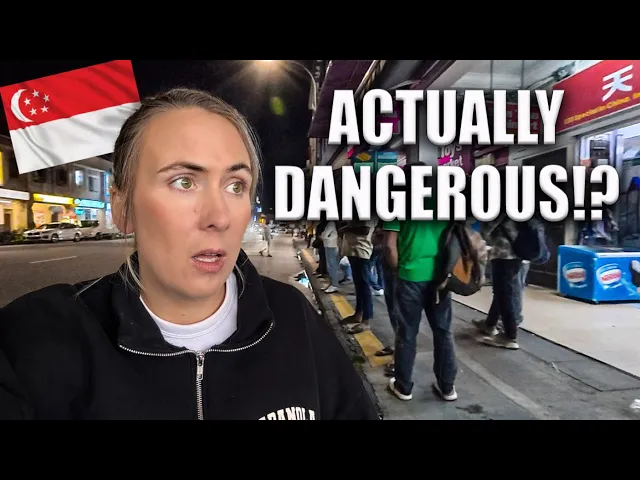
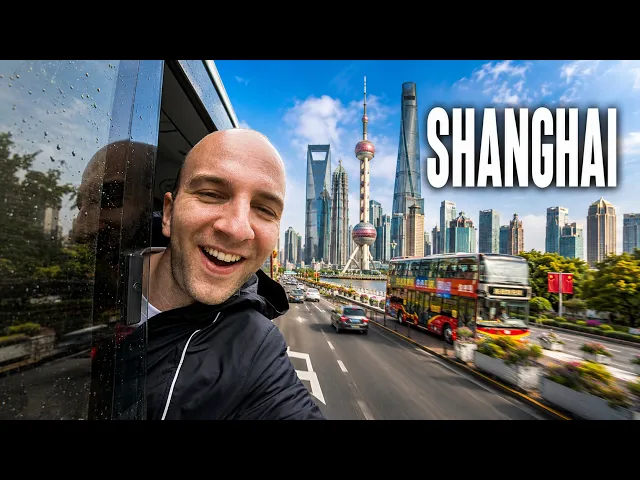
Singapore is known as one of the safest countries in the world — but every city has places people warn you about. So I decided to walk through one of Singapore’s most notorious districts alone after dark to see what it’s really like. After spending so much time traveling across China, I couldn’t help but compare the feeling, safety, and atmosphere at night. Is Singapore really as safe as people say? And how does it actually compare to China? What I experienced honestly surprised me…
Reanne and Ben walk Singapore's notorious Gaylang district after dark, comparing safety, strict laws, and culture with their China travels.
Travel Guides & Tips in this video
Join Reanne and Ben as they put Singapore's famous safety to the test—walking its most notorious district after dark. They compare strict laws, cameras, and cultural vibes to their extensive travels across China, uncovering surprising truths about what makes a country truly feel safe.
Alone in Singapore's Dangerous District: Safety Compared to
Singapore is known as one of the safest countries in the world — but every city has places people warn you about. So I decided to walk through one of Singapore’s most notorious districts alone after dark to see what it’s really like.
After spending so much time traveling across China, I couldn’t...
Singapore's Most Dangerous District Walk vs China Safety Comparison
Ever wondered if Singapore's most dangerous district is actually scary? One traveler dared to walk alone at night, comparing the vibe and safety to China. The honest, surprising experience reveals a side of Singapore you rarely see. Dive into this raw comparison that challenges assumptions about safety in two of Asia's most talked-about destinations.
Attractions in this video: Gardens By The Bay, Merlion, Raffles Building, Arab Street, Jubilee Bridge, Little India, Gaylang
More about the current video:(Published on 2026-03-18)
In this video, Reanne and Ben put Singapore's reputation as the world's safest country to the test. They walk through the tourist-heavy Arab Street, then head to the notorious Gaylang red light district after dark—drawing constant comparisons to China, where they've traveled extensively. The couple notes that Singapore's safety isn't just about cameras; it's a system of severe fines (like $5,000 for selling sunglasses), strict laws against chewing gum and jaywalking, and a culture where shame on the family discourages crime. They highlight the absence of graffiti, litter, and homeless people, and praise the community policing system where locals act as first responders. After enjoying the Gardens by the Bay light show, they head to Gaylang, which feels edgier with adult shops, KTVs, and massage parlors, but still remarkably safe. They find a cheap, delicious Chinese restaurant, then show their budget £60 hotel room. Ultimately, they conclude that both Singapore and China are incredibly safe, though the reasons differ—China leans more on surveillance, while Singapore combines strict laws, high wages, and civic pride. The video ends with a teaser for their upcoming trip to Australia and more China content.
FAQs (From the traveler's perspective)
Q: Which country do you feel safer in, China or Singapore?
A: I think they're both really safe. We've been in China for a long time and tested it, and here in Singapore for two days, we had no problems.
Q: What are the biggest fines for small crimes in Singapore?
A: They have a zero-tolerance policy. Minor offenses like smoking in a park can get you a $2,000 fine. Chewing gum is illegal, and eating on the metro is about $500.
Q: What is the Gaylang area like?
A: It's a red light district and considered the most dangerous area in Singapore, but that mostly means pickpocketing or drunken fights, not violent crime.