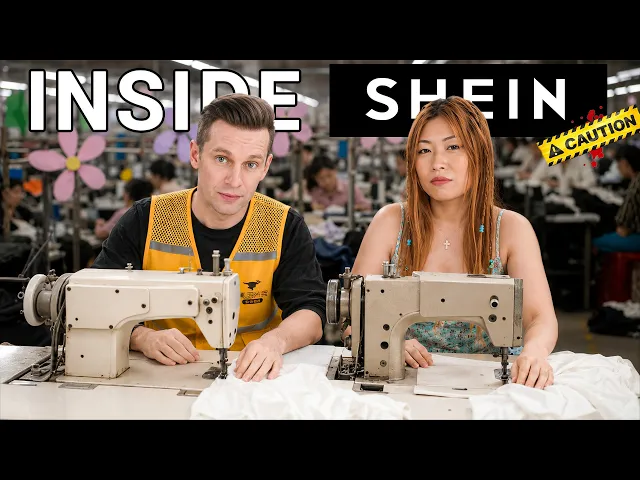
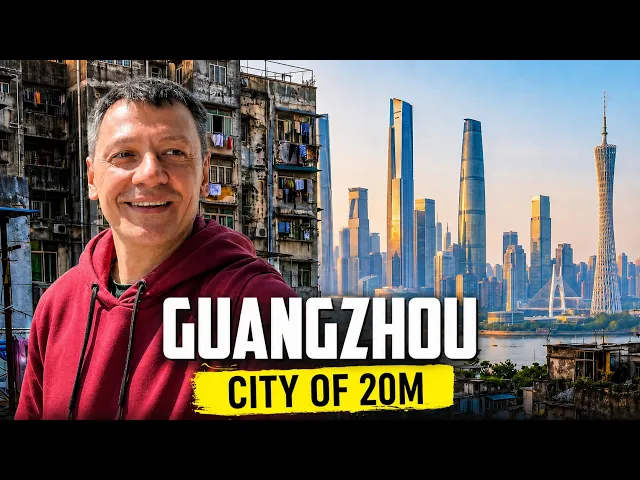
We Went Undercover in Shein's Factory Village 🇨🇳<br>We traveled to Guangzhou, China, to investigate the place many people call Shein's Factory Village. After seeing countless claims online about Shein suppliers, factory workers, and working conditions, we wanted to see everything with our own eyes instead of relying on headlines or social media.<br>In this documentary, we explore fast fashion factories, visit garment factories, speak with workers and factory owners, and take a closer look at clothing manufacturing in China. We also examine how one of the world's biggest fast fashion brands operates through a vast network of independent suppliers and what that means for the people behind the clothes.<br>This is an inside look at China's garment industry, the Shein supply chain, and the reality of manufacturing in China. From piece-rate wages and long working hours to the daily lives of Chinese factory workers, we document what we personally witnessed inside one of the world's most famous manufacturing hubs.<br>The goal of this video is not to attack the hardworking people featured in it. Most of the workers and factory owners we met were simply trying to earn a living in an incredibly competitive industry. Our goal is to present what we saw as honestly as possible and allow you to draw your own conclusions.<br>If you're interested in fast fashion, fast fashion factories, factory documentaries, China documentaries, Made in China, global supply chains, garment factories, or what really happens behind the scenes of Shein, this documentary is for you.<br>If anyone is experiencing abuse or illegal working conditions, we encourage them to contact the appropriate local authorities.
Homeless Pelican investigates Shein's factory village in Guangzhou, speaking with workers about long hours, low piece rates, and the pressure of fast fashion.
Travel Guides & Tips in this video
Homeless Pelican goes undercover in Guangzhou's Shein Factory Village, revealing the gritty reality of fast fashion. Through raw conversations with workers and owners, he uncovers long hours, intense competition, and the human cost behind cheap clothes. A powerful, eye-opening look at the garment industry's backbone.
Undercover in Shein's Factory Village: Guangzhou's Garment
We Went Undercover in Shein's Factory Village 🇨🇳
We traveled to Guangzhou, China, to investigate the place many people call Shein's Factory Village. After seeing countless claims online about Shein suppliers, factory workers, and working conditions, we wanted to see everything with our own eyes...
Inside Shein's Factory Village: Undercover Investigation in Guangzhou
This eye-opening documentary takes you undercover into Shein's factory village in Guangzhou. Homeless Pelican bypasses the headlines to reveal the real working conditions, piece-rate wages, and daily struggles of garment workers. It's a raw, honest look at the fast fashion supply chain that will make you rethink every cheap T-shirt you own.
Hike China's Deadliest Cliff Walk at Gaoqi Ling, Hunan
More about the current video:(Published on 2026-07-12)
In this documentary, editor Homeless Pelican and his local guide Grace venture into Guangzhou's Nancun area, known as Shein's Factory Village, to uncover the reality behind the fast fashion giant's supply chain. Unlike typical media reports, they walk the streets, talk to workers and factory owners, and witness firsthand the intense hustle of China's garment industry.
They quickly discover that Shein doesn't own its factories but works with hundreds of independent suppliers. The competition is fierce: Shein pays the lowest piece rates (around 10 yuan per garment) but provides larger order volumes. Workers often earn 5,000 yuan base salary, with potential to hit 13,000–20,000 yuan during peak season—but only by working 12 to 16 hours daily, sometimes 30 days straight without a day off. One auntie shared, 'Tired, but I have no choice,' summing up the grinding reality.
The most surprising discoveries include the rock-bottom cost of living: meals for 7 yuan, rent for 600 yuan per month. Yet the contrast is stark—luxury cars and wealthy factory owners coexist with families toiling at sunset. The editor reflects on his own past of working 420-hour months, noting that much of the overtime here is voluntary, driven by the desire to earn more. But the pressure to deliver same-day orders for Shein creates a relentless cycle. No one reported forced labor, but the system leaves many feeling trapped. This is a raw, honest look at the human engine behind fast fashion.
FAQs (From the traveler's perspective)
Q: What were the wages like for factory workers?
A: The base salary is around 5,000 yuan per month, but with piecework and overtime, you can earn up to 16,000 or even 20,000 yuan, though that requires working 30 days a month without rest.
Q: How many hours do workers put in daily?
A: Cutters usually work 13 to 16 hours a day, with 12 hours being the minimum. Overtime is voluntary, but many choose to work extra to earn more.
Q: What is the rent like in the factory village?
A: A small room costs only 600 yuan per month, which is very cheap. Meals can be as low as 7 yuan.
Q: Is it easy to start your own brand?
A: Most workers feel they are too old or lack skills to start their own brand. Their children are not interested in the garment industry.