
Travel Guides & Tips in this video
Mr Tony travels from a warm climate to Harbin, where the cold shapes how he packs, walks, and explores. At 11:00 am, he experiences -14°C and says the temperature makes him dizzy. He sees frozen food displayed outdoors, observes local life on foot, and notes a small electric car. A helpful shopkeeper offers hot soup, while curious residents greet him. He also hopes to reconnect with a family he met years earlier on an Everest base camp trek and visits Harbin's ice sculptures.
Next travel video:

More about the current video:()

Arriving in Harbin's winter cold
Mr Tony travels to Harbin from a warm climate and explains the challenge of packing for extreme cold without making his luggage too heavy. He trains with a loaded backpack before the trip so he can get used to carrying it. He explains the tradeoff between bringing enough warm clothing and keeping the pack manageable, then reflects on how the preparation affects the way he moves through the city. His first hotel feels rough around the edges, and he compares the surrounding area with parts of Detroit or Houston. That first impression leaves him uncertain about safety in quieter streets. He compares it with other cities he has visited and considers whether to rely on taxis or continue exploring on foot. The early uncertainty shapes how he evaluates the surrounding streets as he gets used to Harbin.
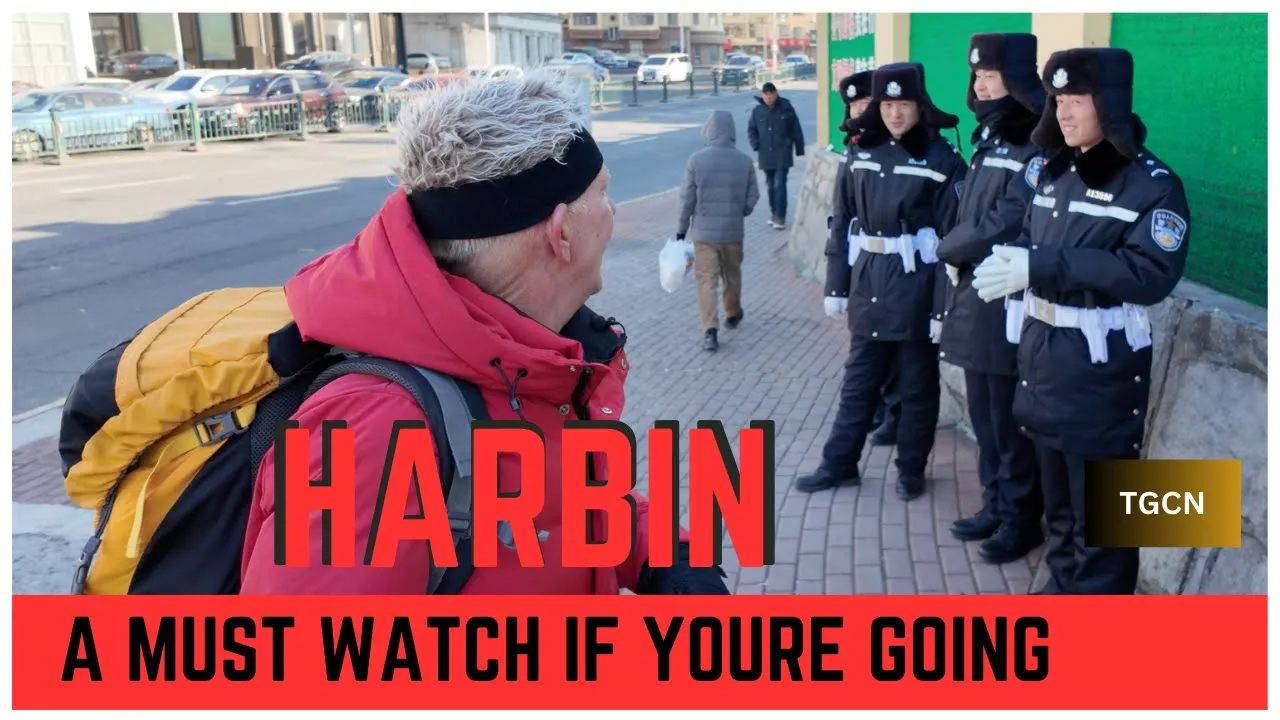
At 11:00 am, the temperature is -14°C. The cold affects his movement and makes him feel dizzy, even as the hotel's strong heating provides a warm contrast. Mr Tony explores Harbin on foot, observing the streets and everyday life. He notices a surprisingly small electric car and frozen food sold outdoors, where the low temperatures keep it frozen. Curious residents approach him, and the friendly interactions soften his initial concern about the neighborhood. These spontaneous conversations become part of the visit, alongside his efforts to remember bus routes and move through the city independently.
A shopkeeper offers him hot soup, an act of kindness that helps him warm up. Mr Tony also remembers bus routes so he can navigate the city more easily. He explains that walking lets him notice local details and connect with people, rather than moving between sights only by taxi. His account includes both practical challenges and small encounters that shape how the city feels to him.
Ice sculptures and personal connections
Mr Tony comes to Harbin to see the Ice City for himself and hopes to reconnect with a family he met years earlier during an Everest base camp trek. The ice sculptures are a main reason for the visit and part of his reflection on Harbin's growing tourism. He considers their draw for visitors and the way the winter attraction gives the city a distinctive seasonal identity. Seeing them in person is one of the reasons he traveled north, and the cold itself becomes a defining part of the experience. He describes the appeal of the attraction alongside the ordinary details he sees on his walks, including frozen food, local transport and the warmth of the hotel.
The video also records spontaneous conversations with residents and Mr Tony's interest in the family he met on his earlier trek. He shares his first impressions of the hotel and less-traveled areas as well as the helpful interactions that follow. The cold remains a physical challenge throughout the day, but the shopkeeper's soup, the hotel's heating and the curiosity of local people give him positive experiences to remember. His walk offers a personal account of Harbin that brings together the Ice City, winter streets and human connections.
FAQs (From the traveler's perspective)
- Q: How cold was Harbin during Mr Tony’s visit?
- A: He reports -14°C at 11:00 am and says the cold affected his navigation and made him feel dizzy.
- Q: What helped Mr Tony warm up while exploring?
- A: His hotel had strong heating, and a shopkeeper offered him hot soup during his walk.
- Q: Why did Mr Tony visit Harbin?
- A: He wanted to see the Ice City and reconnect with a family he had met years earlier during an Everest base camp trek.
