
Travel Guides & Tips in this video
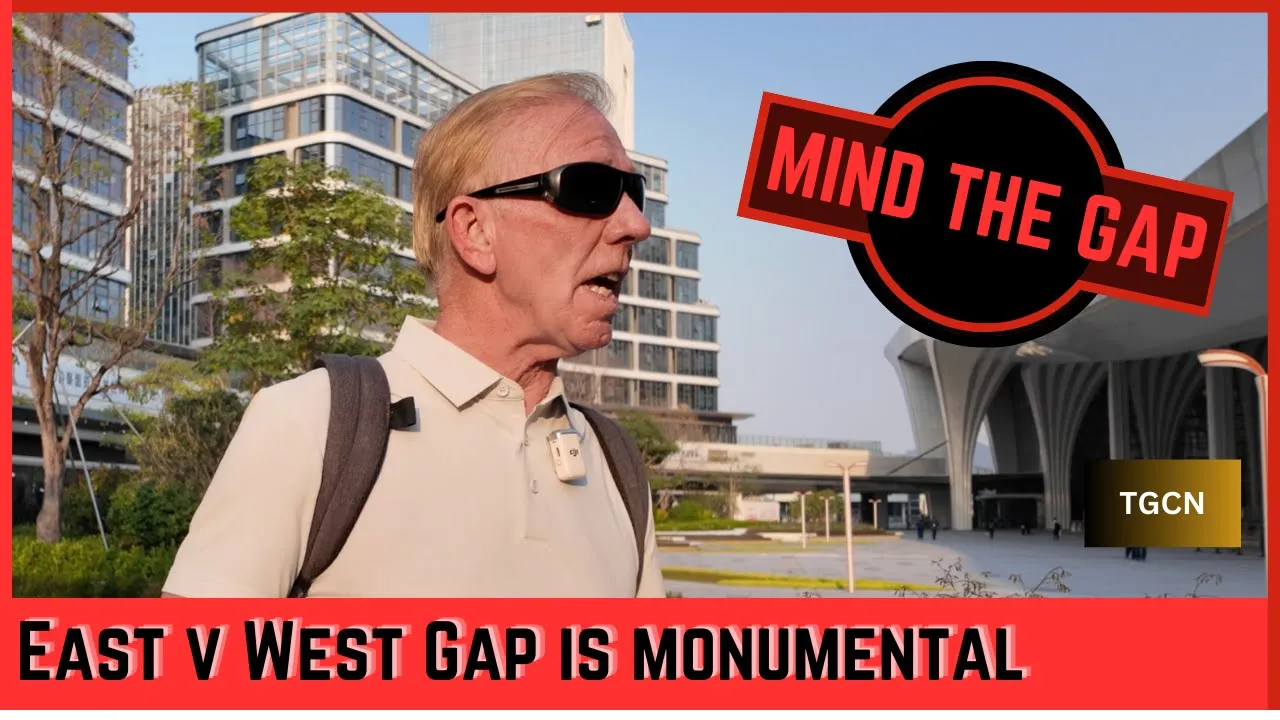
Mr Tony begins at Guangzhou’s Bayun Railway Station, whose scale feels closer to an airport than a conventional station. After a long walk to the metro, he boards a slower train rather than a high-speed service. The ride costs two pounds for a hundred miles, but he has to stand for much of it in a crowded carriage. Fellow passengers offer him seats and share a warm welcome. His journey includes conversations with taxi drivers and reflections on China’s railway infrastructure and the human side of slower travel.
Next travel video:

More about the current video:()

The scale of Guangzhou’s station
Mr Tony starts at Guangzhou’s Bayun Railway Station, an enormous building that he compares with an airport. The station’s scale is impressive but can also be inconvenient: he describes a seven-minute walk to reach the metro. He observes passengers moving through the space and comments on the contrast between new infrastructure and the effort needed to get across a large terminal. Taxi-driver interactions add another small part to the journey before he reaches Guangzhou Station.
A slower train and kind passengers
Rather than taking a high-speed service, Mr Tony chooses an older, slower train for a hundred-mile trip. He pays two pounds and stands for much of the ride in a crowded, low-class carriage. Several passengers offer him seats, and their kindness becomes the most memorable part of the trip. He talks with people on board and watches everyday routines, including making instant noodles with hot water from a tap in the carriage.
The choice of train is part of Mr Tony’s interest in seeing another side of travel in China. He contrasts the speed of modern trains with the slower service and the chance to interact with other passengers. His reflections also touch on different countries’ infrastructure and decisions about funding. The video ends with him looking back on the journey and its friendly encounters, which gave the older train a character he would not have found in a high-speed ride. Mr Tony also watches passengers move through the station and notices the gap between the impressive scale of the building and the practical distance to the metro. After the taxi interaction, the train becomes the main setting for the rest of the trip. He describes a carriage far removed from the high-speed services that often represent China’s rail network to visitors. The two-pound fare for a hundred miles is striking, but so is the amount of time he spends standing. When passengers offer seats, these gestures make the journey feel more personal. Their conversations and everyday routines become the details he remembers, and they shape his view of the older service. His reflections invite viewers to compare infrastructure choices and consider what each kind of train makes possible for a traveler.
FAQs (From the traveler's perspective)
- Q: What was the most memorable part of Mr Tony’s train journey?
- A: He remembers meeting friendly passengers who offered him seats and made the trip feel special. Their kindness stood out during a crowded ride when he had to stand for much of the journey.
- Q: Why did he choose a slower train rather than high speed rail?
- A: He wanted to experience a different side of China and have a less usual journey. The slower service was also very affordable, though it involved standing in a crowded carriage.
- Q: How much did the journey cost?
- A: Mr Tony says the hundred-mile journey cost two pounds. He chose the slower service and describes the fare as one of its advantages.
