James And Keli explore Lushun's Russo-Japanese War history, visiting battlefields and a prison museum. A moving journey through time, revealing unexpected discoveries and cultural insights.
Travel Guides & Tips in this video
James And Keli's journey to Lushun, China, unveils the poignant history of the Russo-Japanese War. Explore the battlefields, bunkers, and a prison museum, witnessing firsthand the remnants of this pivotal conflict. Discover unexpected details like the abandoned Fisherman's Wharf and the unique architecture of Dalian. A captivating blend of history, culture, and personal experiences awaits!
Lushun's Russo-Japanese War Battlefield: A China History Journey
Lvshun is a navel port where the Russo-Japanese War was fought in the early 1900's. We went to Lvshun to learn more about the history of the city.
Intro 00:00
Lvshun, China 05:00
Support us monthly on Patreon! We have monthly tiers to help support us on the road while we travel, giving you exclusive...
Russo-Japanese War Lushun: Exploring Battlefields & Prison Museum
James and Keli, two adventurous travelers based in China, embarked on a historical journey to Lushun, a city with significant ties to the Russo-Japanese War. Their exploration delves into the city's rich past, uncovering fascinating details about this pivotal naval battle. Lushun's strategic importance as a port and its role in shaping history are brought to life through their captivating storytelling, promising a unique travel experience.
Attractions in this video: Russian Fortress, Fishermans Wharf, Russian Japanese War Prison Museum, Bayu Shin Tower
More about the current video:(Published on 2021-07-04)
This captivating travelogue follows James And Keli as they journey to the historical city of Lushun in Northeast China, a significant site of the Russo-Japanese War. Their adventure begins in Dalian, where they encounter unexpected delays and a cancelled flight, highlighting the unpredictable nature of travel. Despite this setback, they explore Dalian's Fisherman's Wharf, a unique waterfront area built in the style of the American East Coast, noting its surprising emptiness outside of peak season.
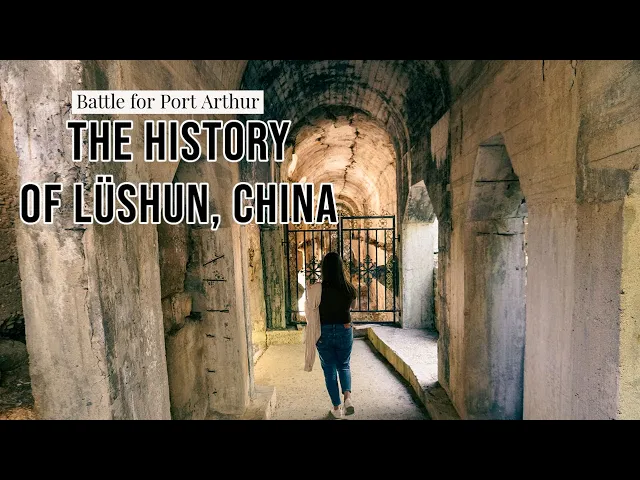
Their exploration of Lushun focuses on the Russo-Japanese War battlefields and the surrounding areas. They visit the main battlefield, examining the Russian fortress and trenches, gaining a deeper understanding of the war's tactics and technology. The use of modern weaponry and chemical warfare during this conflict is highlighted, providing a sobering context to the historical significance of the site.
James And Keli delve into the poignant history of the war by visiting the Russian-Japanese War Prison Museum. This museum offers a somber look into the daily lives of prisoners held in one of the largest concentration camps used by the Japanese colonial administration in Northeast China. The museum's displays, available in both English and Chinese, provide a comprehensive understanding of the war's impact on the lives of those involved.
Beyond the war's history, they explore other historical sites, such as the memorial for the 65,000 Japanese soldiers who lost their lives, and the Bayu Shin Tower, originally named Loyalty Tower by the Japanese. The cannon they encounter on their walk further emphasizes the long history of conflict and international involvement in the region. Their journey concludes with a ride on the local subway, showcasing the efficiency and affordability of public transportation in China. Their experience is a unique blend of historical exploration, cultural immersion, and unexpected challenges, offering a compelling narrative of their travels.