
Travel Guides & Tips in this video
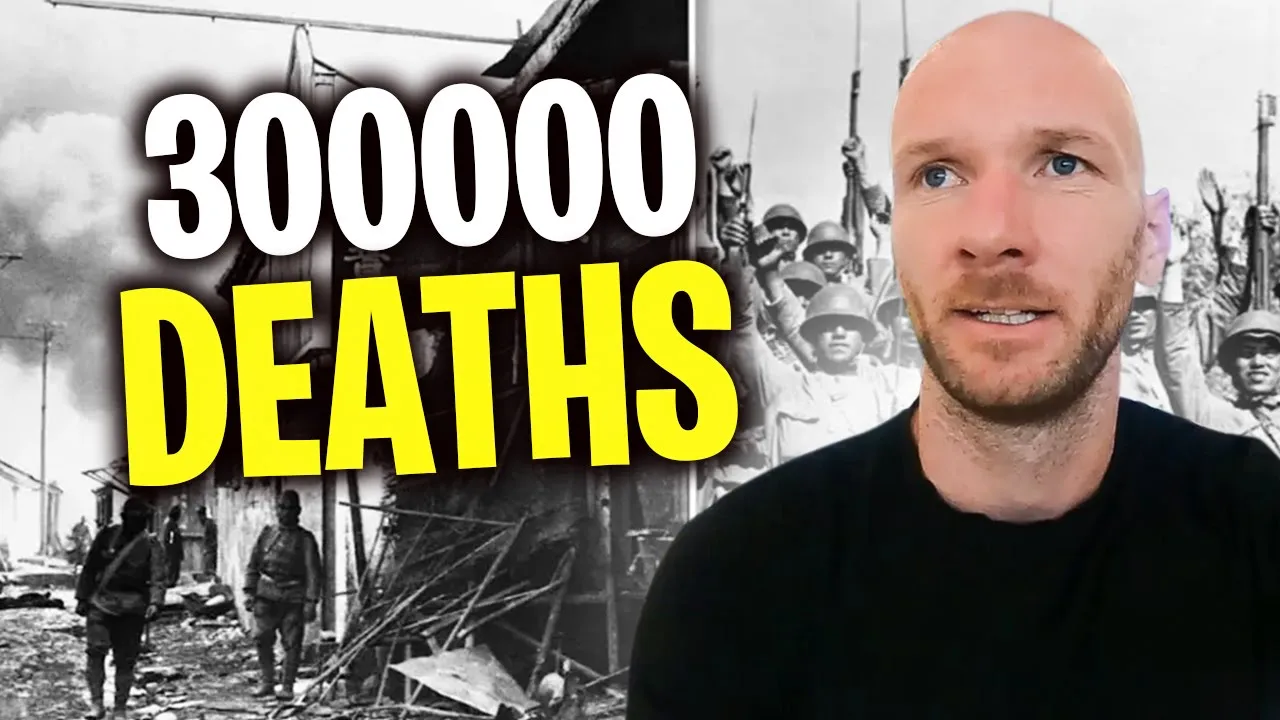
Ryan Shane Palmer's Nanjing visit begins at the Nanjing Massacre Memorial Hall, where he considers the events of 1937 and the stories of victims and perpetrators. He notes filming restrictions and emphasizes respectful observation over extensive recording. The memorial's mass grave and exhibits give the museum tour a somber tone, and Ryan allows time for reflection. After leaving the memorial, he shows parts of modern Nanjing, including cafes, nightlife, and the grounds of Nanjing University. The video places the city's contemporary life alongside its painful past and reflects on its resilience.
Next travel video:

More about the current video:()

Visiting the memorial
Ryan Shane Palmer arrives in Nanjing and visits the Nanjing Massacre Memorial Hall. He introduces the site as a place commemorating the events of 1937 and considers the museum's exhibits. The memorial includes a mass grave and stories of victims and perpetrators, giving the visit a somber tone.
Filming is restricted at sensitive historical sites, and Ryan notes the rules at the memorial. He chooses to respect the atmosphere and avoid disruptive behavior, recognizing that recording is not the priority in every part of the museum. The experience calls for time to absorb the history and reflect on the people represented in the exhibits. A guided tour could offer further context.
The city's present-day life
After the museum, the video shifts to modern Nanjing. Ryan shows cafes, nightlife, and the beauty of Nanjing University. The contrast between the lively present and the memorial's history frames the city as a place shaped by both painful memory and contemporary activity. Nanjing's cafes and evening scenes provide a different pace from reflection inside the memorial.
Ryan's itinerary balances historical sites with modern aspects of the city. His footage presents a visual tour of Nanjing's current life after the memorial visit, while his reflections acknowledge how the past remains part of the city's identity. The university grounds add another view beyond the museum and nightlife.
A visit shaped by reflection
The video follows Ryan's movement from arrival in Nanjing through an introduction to the Nanjing Massacre, filming restrictions, background on the massacre, the memorial mass grave, victims' stories, post-war trials, and the end of the museum tour. The memorial experience is the historical focus, with modern city scenes showing Nanjing today.
Ryan's account encourages travelers to be mindful in places of remembrance. It pairs respectful observation with time for reflection and offers a personal look at Nanjing's historical memory and present-day cafes, nightlife, and university life.
FAQs (From the traveler's perspective)
- Q: What should visitors keep in mind when filming at historical sites?
- A: Ryan emphasizes respecting restrictions at sensitive places. Visitors should be mindful of the atmosphere and avoid disruptive behavior, prioritizing observation and reflection over extensive filming.
- Q: What is a visit to the Nanjing Massacre Memorial Hall like?
- A: Ryan describes it as deeply moving. Visitors should allow time to reflect on the historical significance, exhibits, and stories of victims; a guided tour may provide additional insight.
- Q: What else does Ryan see in Nanjing?
- A: Beyond the memorial, Ryan shows cafes, nightlife, and Nanjing University, balancing historical sites with modern aspects of city life.
