
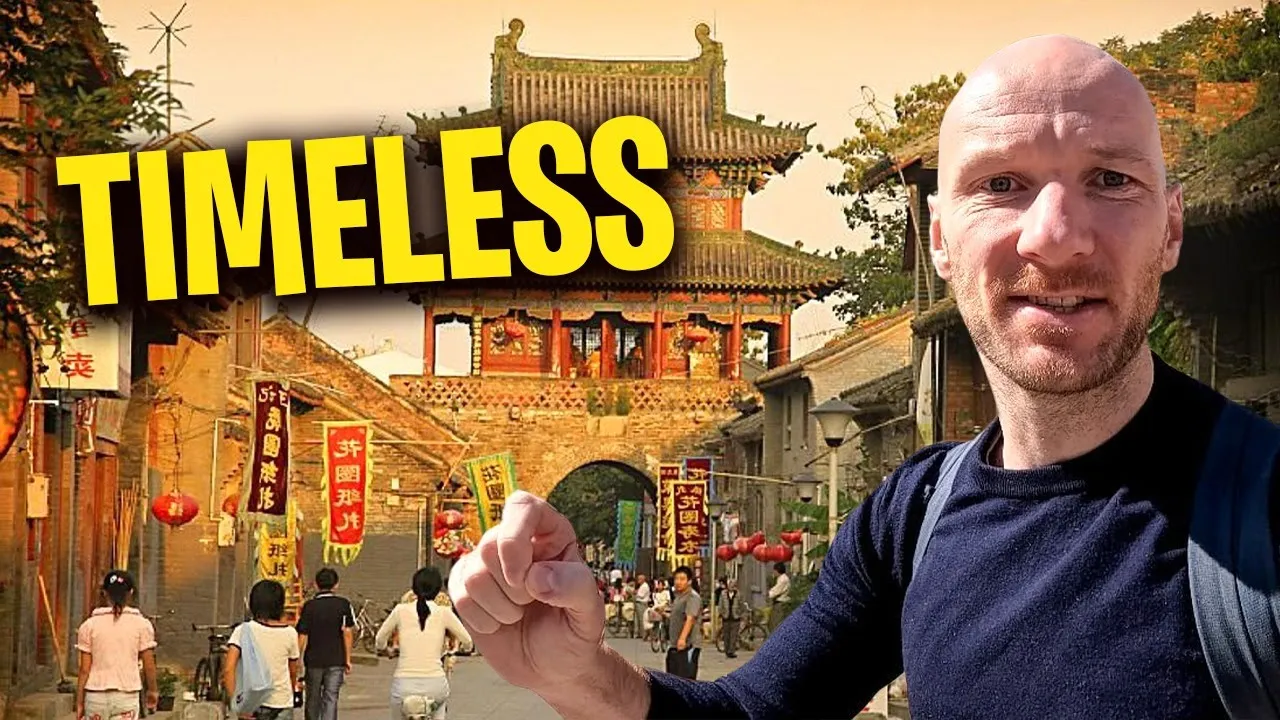
Travel Guides & Tips in this video
Ryan Shane Palmer explores Luoyang, a city with a long history, beginning at Leing Gate before visiting the Longmen Grottoes and White Horse Temple. The grottoes contain hundreds of caves and ancient relics, including a large Buddha surrounded by mythical figures. Ryan shares a brief history of the city and its periods of growth and decline, then visits the temple, described as China’s oldest Buddhist temple. Ticketing there proves confusing and he accidentally pays double for incense. He ends by walking through old streets before catching a train.
Next travel video:

More about the current video:()

Gates and the Longmen Grottoes
Ryan Shane Palmer begins his exploration of Luoyang at Leing Gate, a landmark that has been rebuilt repeatedly through the city’s history. He looks for 13 gold pillars that represent Luoyang’s time as a capital of 13 dynasties but instead encounters a porcelain museum. The visit sets up the city’s long and complicated past, with periods of prosperity and decline.
At the Longmen Grottoes, Ryan sees hundreds of caves containing ancient relics. He admires the carved details and the large Buddha at the central point, surrounded by mythical creatures. The site is popular and busy, with many visitors taking photographs. A local vlogger communicates largely through gestures, showing how conversation can still happen despite language differences. Ryan also shares a personal anecdote from his time in Thailand as he walks through the complex.
White Horse Temple and old streets
Ryan describes Luoyang’s history and its revival with help from the Soviet Union. He sees the city as a mixture of modern development and traditional places. White Horse Temple is the final major stop. The temple is described as China’s oldest Buddhist temple, dating back about 1,900 years, and associated with the arrival of Buddhist scriptures and monks from India.
Ticketing is challenging for Ryan, and he accidentally pays twice the intended price for incense. The temple includes several sections, temples dedicated to different deities, and gardens. He appreciates its calm atmosphere. The visit ends with a walk through old streets lined with shops and restaurants, where traditional and modern elements sit together, before he catches a train to his next destination.
The route connects several different kinds of historical places: the gate and porcelain museum, the caves and their central Buddha, the temple gardens, and the old streets. Ryan's search for the pillars that represent the dynasties does not go as planned, and the ticket mix-up over incense becomes another personal detail from the visit. The history he describes includes both the city's periods of prosperity and decline and its later revival with Soviet help.
FAQs (From the traveler's perspective)
- Q: What is the Longmen Grottoes visit like?
- A: Longmen Grottoes is a large complex with hundreds of caves and ancient relics. Ryan sees a large Buddha statue at the central point, surrounded by mythical creatures, while many visitors take photographs.
- Q: What happened with the temple tickets?
- A: Ryan finds the ticketing process at White Horse Temple confusing and accidentally pays double for incense. The experience leads him to recommend asking for help and confirming prices.
- Q: What is White Horse Temple known for?
- A: It is described in the video as China’s oldest Buddhist temple, dating back about 1,900 years. The account connects it with the arrival of Buddhist scriptures and monks from India.
