Travel Guides & Tips in this video
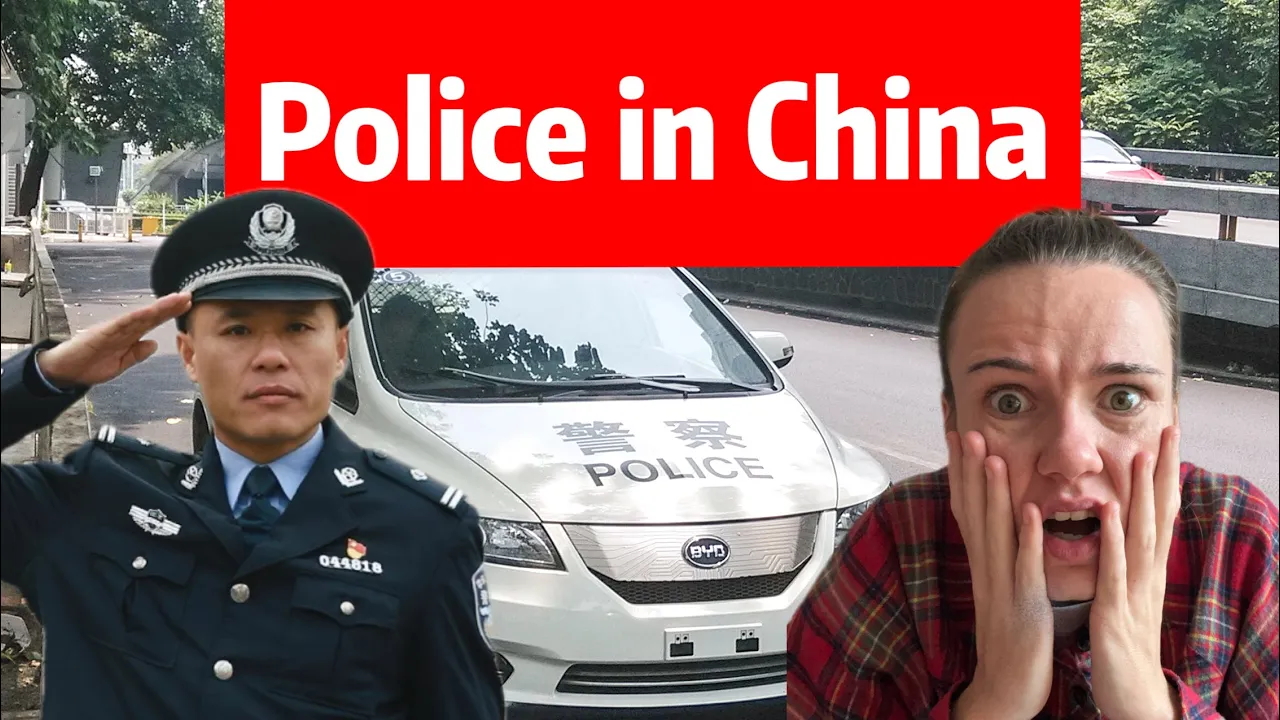
Lizzy, a South African living in China, visits a local police station for registration and talks about the country's camera network and police system. She describes feeling safe, including leaving her ebike unlocked without fear of theft, and observes officers mediating neighborhood disputes and managing traffic. She also presents arguments for and against surveillance, weighing public safety against privacy and social control. Her account is personal and invites viewers to form their own views.
Next travel video:

More about the current video:()

A visit to the police station
Lizzy, a South African living in China, visits a local police station to complete her registration. The visit gives her a personal way to explain the police system and the cameras she sees in public spaces. She describes AI facial-recognition cameras as common and talks about how they affect daily life. The video also refers to a hierarchical police structure and a community-focused approach. Lizzy says she feels safe leaving her ebike unlocked, and she points to fewer ebike thefts as one example of how residents experience security. She also observes officers mediating neighborhood disputes and helping manage traffic. These are her experiences and examples, not a guarantee that every person will have the same experience.
Safety, privacy and public surveillance
Lizzy considers the arguments for and against extensive surveillance. Supporters may point to crime prevention, public safety and rule enforcement; critics raise questions about privacy and social control. She encourages respectful dialogue and asks viewers to form their own informed opinions. The visit includes a station conversation, accounts of community policing and an explanation of how camera networks are part of the discussion. The video mentions that some settings tolerate indoor smoking, another everyday observation from Lizzy’s experience. Her perspective is grounded in living in China and navigating local registration, rather than presenting a universal conclusion about surveillance. Viewers can use her examples—the unlocked ebike, officers resolving disputes and traffic management—to understand why she feels safer, while also considering the privacy concerns she acknowledges.
FAQs (From the traveler's perspective)
- Q: What made Lizzy feel safer in China?
- A: Lizzy says the camera network and visible security contributed to her sense of safety. She describes leaving her ebike unlocked without fearing theft, and points to reduced ebike theft as an example. This is her personal experience, not a guarantee for every traveler.
- Q: What does the video say about community policing?
- A: Lizzy describes police officers mediating neighborhood disputes and helping with traffic management. She presents these as examples of a community-focused approach she observed while living in China and visiting a local police station.
- Q: What concerns about surveillance does Lizzy acknowledge?
- A: Alongside public-safety arguments, the video considers privacy and social control. Lizzy encourages viewers to weigh the possible benefits of crime prevention against those concerns and form their own view.