
Travel Guides & Tips in this video
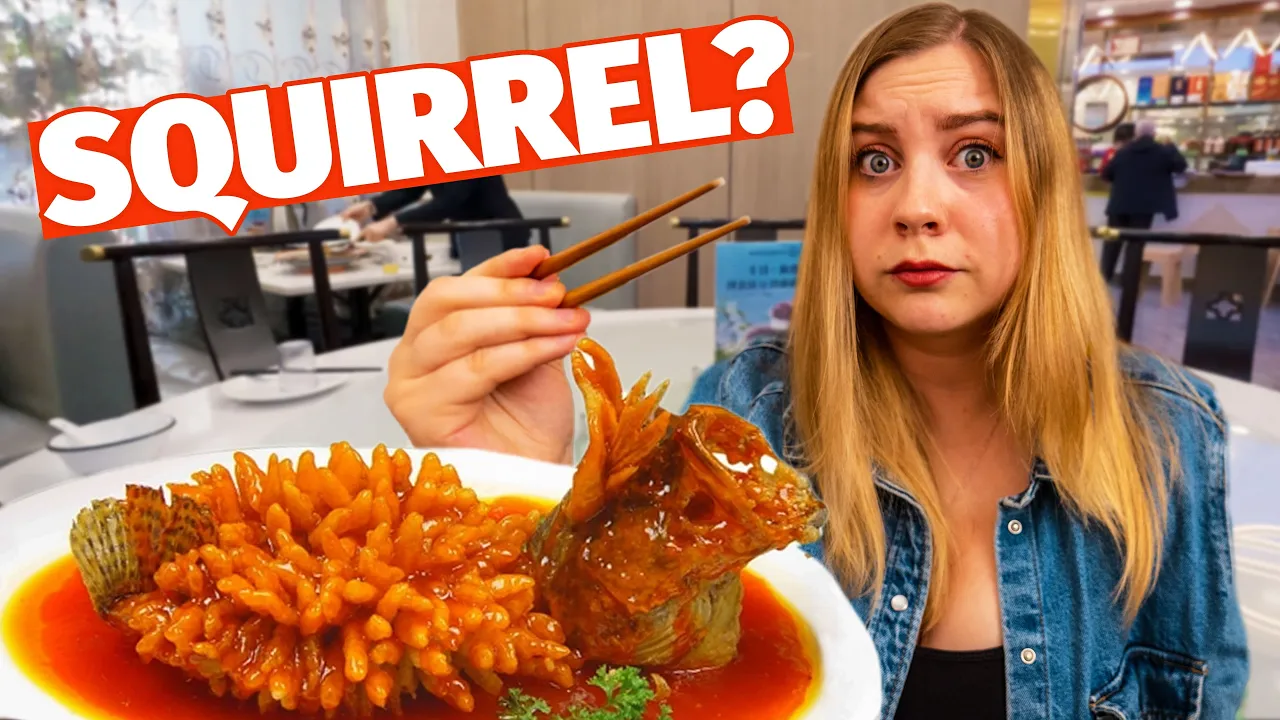
Always Away visit a busy Suzhou restaurant for pork belly, squirrelfish, asparagus lettuce, freshwater eel and preserved duck egg. They then travel to Wuzhen, a historic water town, where they dye fabric in a batik workshop, take a boat ride and sample pancake rolls with edible sticky-rice wrappers. A local guide helps them navigate the language barrier. In Suzhou, the group shares a table and tries squirrelfish, eel, pork belly and preserved duck egg. In Wuzhen, they dye a handkerchief, cruise the canals and sample pancake rolls with an edible wrapper before dinner.
Next travel video:

More about the current video:()

Suzhou food and local guide
Always Away begin in Suzhou at a crowded restaurant where tables are shared among diners. They try traditional dishes that differ from familiar takeaway food. The meal includes pork belly with crisp skin and a sweet barbecue flavor, asparagus lettuce with a cucumber-like taste, freshwater eel in sauce and squirrelfish with sweet-and-sour sauce. They also try preserved duck egg with silky tofu, finding the egg’s salty flavor and firm texture unusual.
Their guide explains the dishes and helps them navigate the language barrier. The meal is communal, with food arriving at the table for everyone to share. The group discusses whether Chinese food feels healthier than food at home, comparing the vegetables in the dishes with their usual meals.
Wuzhen crafts and food streets
The trip continues to Wuzhen, a 7th-century water town known as the Venice of China. A bus takes them to the resort-like historic area. They participate in a traditional fabric-dyeing workshop described as 1,300 years old. The workshop uses batik, and each visitor makes a dyed handkerchief to take away. A small glove mishap occurs, but the activity remains a hands-on way to learn about the craft.
A boat ride along the canals provides views of old buildings and waterways. Later, they explore food streets and try pancake rolls with spring onion and an edible sticky-rice wrapper, as well as bamboo shoots. Their final restaurant specializes in roast duck, with prawn dumplings and braised beef also served. The guide’s explanations make it easier to understand the dishes and move between stops. Wuzhen’s quiet waterways and Suzhou’s restaurant scene give the vlog two distinct experiences. The Suzhou meal is served at shared tables, with dishes arriving in sequence. The group compares pork belly, asparagus lettuce, freshwater eel, sweet-and-sour squirrelfish and preserved duck egg with tofu. Their guide explains ingredients and helps them order. They later travel by bus to Wuzhen, a water town with a resort-like atmosphere and historic buildings. At the batik workshop they dye fabric and make a handkerchief, despite a small mishap with a glove. A boat ride along the canals gives them a quiet view of the town. The evening food street includes a pancake roll with spring onion and an edible sticky-rice wrapper, along with bamboo shoots. At the final restaurant they try roast duck, prawn dumplings and braised beef. The travelers compare the meal with food at home and discuss whether the dishes feel healthy. Their guide helps them understand the locations and customs, while the trip moves between culinary stops and traditional crafts. The restaurant experience in Suzhou includes a visually distinctive squirrelfish served with sweet-and-sour sauce, asparagus lettuce with a cool cucumber-like flavor and freshwater eel that the group finds more appealing than the eel dishes familiar from the UK. A preserved duck egg with silky tofu initially makes them hesitant, but they discuss its salty taste and firm texture after trying it. In Wuzhen, the travelers arrive by bus and take part in the batik workshop, where the fabric-dyeing process produces a handkerchief. The canal boat ride provides a quiet contrast with the busy meal earlier in the day. The food street later offers a pancake roll wrapped in edible sticky rice paper, spring onion and bamboo shoots. The final dinner includes roast duck, prawn dumplings with vinegar and braised beef with radish. They compare the ingredients and ask their guide about local customs and food. The video ends with the group reflecting on the long day, their guide’s help and Wuzhen’s historic setting.
FAQs (From the traveler's perspective)
- Q: What was the pork belly like?
- A: They found it flavorful, with a sweet barbecue-like taste and crispy skin.
- Q: What did asparagus lettuce taste like?
- A: They compared its flavor to cucumber and described it as cool and fresh.
- Q: How was the freshwater eel?
- A: They found it meaty and served in a pleasant sauce, unlike the jelly eels they know from the UK.
- Q: What did they think of preserved duck egg?
- A: It was served with silky tofu. The egg was firm and salty, and reactions varied.
- Q: What is Wuzhen known as?
- A: Wuzhen is known as the Venice of China and is described in the video as a 7th-century water town.
- Q: What was the fabric-dyeing workshop like?
- A: The workshop taught batik, a fabric-dyeing craft, and the travelers made a handkerchief to take home.
- Q: What was special about Wuzhen’s food streets?
- A: They tried pancake rolls with edible sticky-rice wrappers and bamboo shoots.
- Q: What was the specialty at the last restaurant?
- A: The restaurant specialized in roast duck, and the meal also included prawn dumplings and braised beef.
- Q: Did the travelers find Chinese food healthy?
- A: One traveler thought the meals included many vegetables, while the guide disagreed and compared them with fish and chips.
