
Travel Guides & Tips in this video
Sammy and Tommy explore Shanghai breakfast with Untour Food Tours, beginning with local exercise in Xiangyang Park before tasting Dan Bing, pan-fried dumplings, fried bread with soy milk, Jian Bing, soup dumplings and sweet glutinous rice balls. Their guide explains regional dishes and food traditions, including the history of Jian Bing and ideas about warming and cooling foods. They also discuss noodles, produce markets and the variety of breakfast choices in Shanghai.
More about the current video:()

Morning in Xiangyang Park and breakfast stops
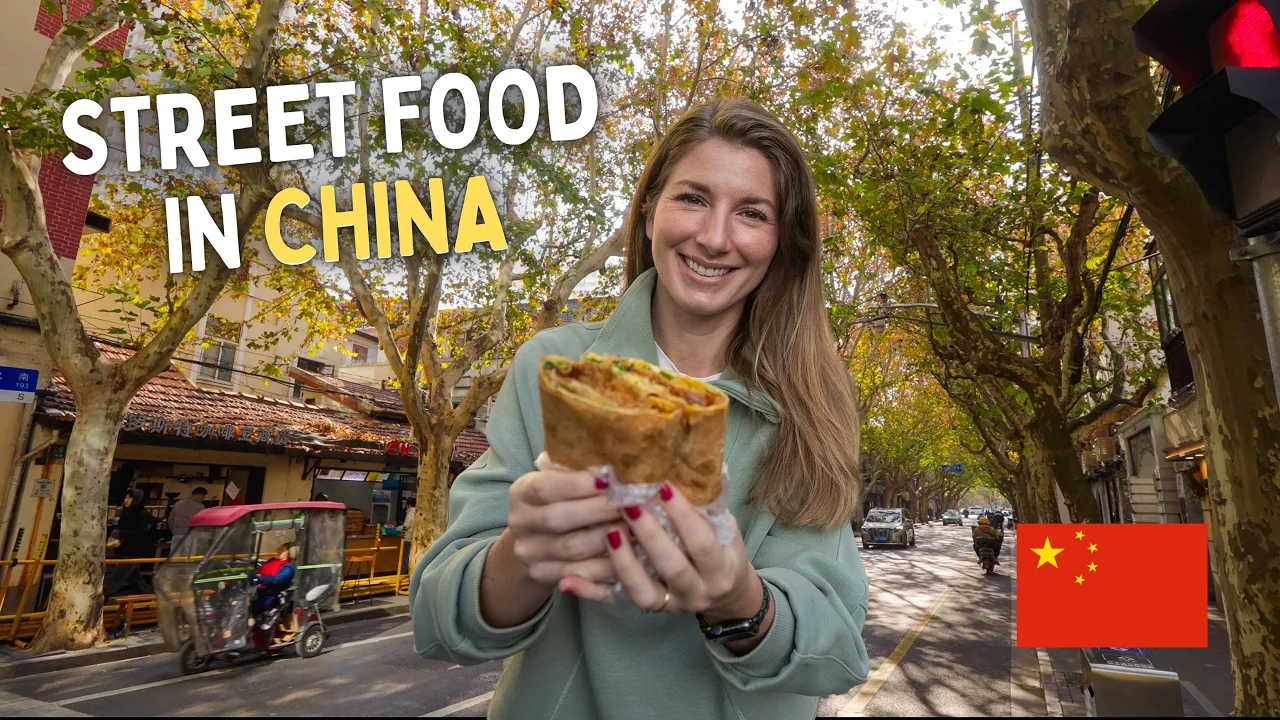
Sammy and Tommy begin their Shanghai food tour with Untour Food Tours at Xiangyang Park. They watch local residents exercise before setting off to try breakfast dishes. Their guide provides historical and cultural context, explaining the role of breakfast and the origins of foods they encounter. Dan Bing, a popular egg bread found around China, has a Shanghai version with scallions and chili oil. The couple sample it before moving on to pan-fried dumplings, whose pork filling is juicy and served with sauce.
The next stops include soy milk with fried bread and Jian Bing, a millet-based pancake associated in the tour with Shandong. They also try soup dumplings and finish with sweet glutinous rice balls. Each stop adds another dish and gives the guide a chance to describe how ingredients and preparation vary by region. The couple react to what they taste and talk through the options rather than treating the walk as a list of restaurants.
Food traditions and market life
The guide discusses how people shop for fresh ingredients and prepare meals in Shanghai. Their conversation includes the range of breakfast foods and the balance of cooling and warming foods in Chinese cuisine. The tour also touches on the history of Jian Bing and on changes in noodle making, from hand-pulled noodles to machine-made versions. A market visit gives the couple a view of produce and everyday shopping.
Sammy and Tommy’s route combines a park, food stalls and local market activity. They observe exercise routines before tasting several dishes, and the guide connects each meal with regional habits and history. The breakfast walk includes Dan Bing, dumplings, soy milk, fried bread, Jian Bing, soup dumplings and sweet rice balls. The guide’s explanations give the couple a way to understand the dishes beyond their flavors, while the market and park show ordinary parts of the city around the food tour.
Dishes, ingredients and regional context
The tour moves from Dan Bing to dumplings, fried bread, soy milk and Jian Bing, with each stop bringing a different texture and preparation. Their guide explains that these dishes have histories and regional variations, so the meal becomes a way to discuss where the foods come from as well as what the couple thinks of them. They continue with soup dumplings and sweet glutinous rice balls, rounding out a morning of savory and sweet tastes.
The market visit also draws attention to ingredients and shopping routines. The video notes the freshness of produce and the role of daily shopping in meals in Shanghai. The guide discusses the evolution of noodle making, from hand-pulled noodles to machine-made ones. These observations widen the tour beyond the dishes themselves: it includes how ingredients reach kitchens, how food preparation changes, and how visitors can learn about the city through breakfast.
Sammy and Tommy respond to the range of choices and to the guide’s explanations as the route unfolds. They share their satisfaction at the end and invite viewers to talk about their own breakfast preferences. The park, food stops and market together show a morning built around local routines, regional dishes and conversation. Their experience is not limited to eating: they watch people exercise, hear about food history and see produce associated with everyday shopping in Shanghai.
The guide also discusses the traditional idea of balancing warming and cooling foods. Sammy and Tommy hear how food is understood within that framework, alongside the history attached to individual dishes. This context gives the tour a cultural thread that connects what they eat with the way people talk about meals. They compare the guide’s explanations with their own reactions to each stop, and the conversation moves naturally between flavors, ingredients and habits.
By the end of the route, the couple have gone from watching morning exercise in the park to trying several foods and hearing about their background. The market and food stops show the range of produce and prepared dishes available in Shanghai, while the guide helps relate those details to regional practice. The final reflection returns to the number of breakfast options they encountered and to the way everyday shopping contributes to preparing meals in the city.
FAQs (From the traveler's perspective)
- Q: What was the most surprising thing you found?
- A: The retained source answer mentions a one-dollar haircut and not needing a ticket to enter Zhu-long cave, though those details do not appear in the breakfast-tour body.
- Q: What were the sweet potato noodles like?
- A: The older answer describes them as looking like shining leather and tasting good. This detail remains part of the original FAQ content.
- Q: What foods did they try on the Shanghai breakfast tour?
- A: They tried Dan Bing with scallions and chili oil, pan-fried dumplings with pork, soy milk with fried bread, Jian Bing, soup dumplings and sweet glutinous rice balls.
