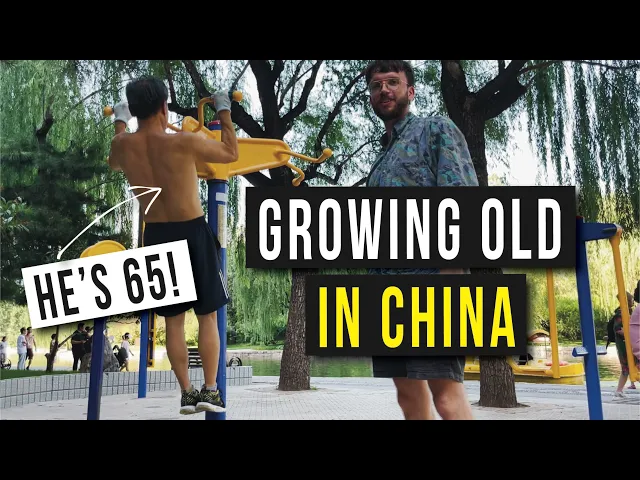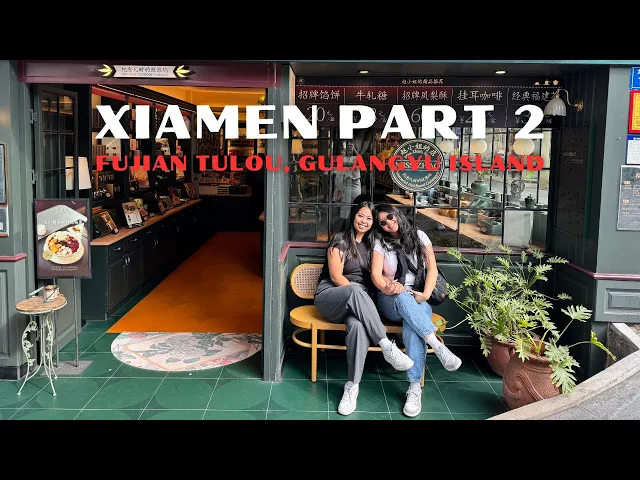
Travel Guides & Tips in this video
- Tip 1Use visa-free entry if eligible; confirm with the embassy for latest rules and keep copies of receipts and visas. (09:43)
- Tip 2Experience high-speed rail for a fast, smooth, and quiet ride; expect clean facilities and punctual schedules. (29:52)
- Tip 3Prepare for digital payments with apps like WeChat and Alipay; organize VPN access for messaging with home. (30:34)
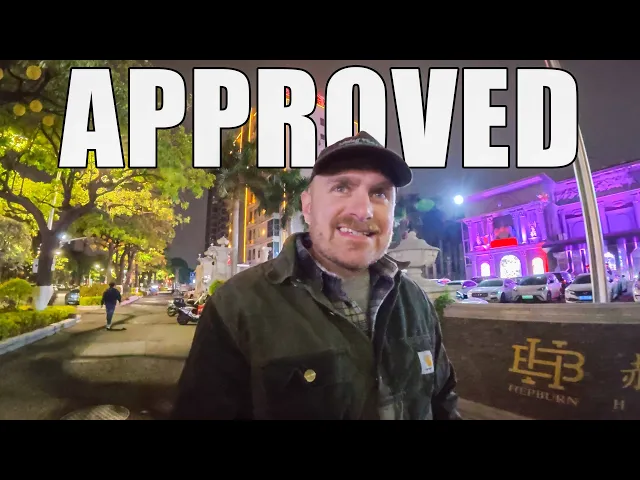
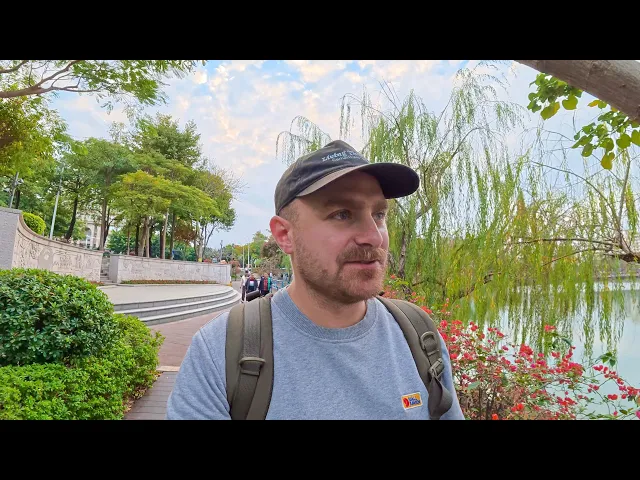
Willy OAM arrives in Xiamen, China, pulled into a land that defies the simple enemy narrative he was taught to believe. He openly admits nerves and curiosity, and his camera records a raw traveler’s diary: wandering through a city that blends ancient culture with rapid modernization, meeting locals who share food, stories, and surprising openness. He’s struck by the scale of China’s infrastructure, the omnipresent surveillance, the efficient public services, and the warmth of everyday interactions that challenge his preconceptions. Across a week of walking streets, sampling halal noodles, riding high-speed trains, and listening to people compare East and West, Willy shifts from fear to a cautious, complex appreciation. He confronts propaganda, censorship, social credit, and the social contract of a one-party state, while noting both freedoms and constraints that shape daily life. The journey becomes less about grading China against Western stereotypes and more about understanding how a
Next travel video: ( 2 / 3 )

More about the current video:( 1 / 3 )

Willy arrives in Xiao Men, China, and voices both curiosity and skepticism about China’s politics and society. He recalls military service and a personal health fight, then dives into the trip with a researcher’s mindset, aiming to observe with eyes wide open. He notes the blend of ancient culture and modern infrastructure, the ease of visa processes for Australians, the surprise of clean streets and safe transportation, and the omnipresent surveillance contrasted with moments of genuine hospitality. Throughout, he wrestles with propaganda, censorship, social credit, and the complexity of daily life for a billion-strong population. He talks with locals using translators, writes notes for future essays, and stresses that nothing he says here should be taken as a final judgment. By the end, he admits his views have shifted and he’s already contemplating a return, acknowledging both the flaws and the astounding progress he witnessed. Willy’s reflections cover safety, media freedom, and the nuanced reality behind slogans, ending with a plea to see the country for oneself. The trip reorients his assumptions about China and his own stance toward Western narratives.
FAQs (From the traveler's perspective)
- Q: Is China safe for Western travelers according to Willy’s experience?
- A: Willy found daily life safe and welcoming, with polite people and reliable infrastructure, though he notes language barriers and the omnipresent cameras. He emphasizes behaving within local laws and maintaining curiosity without fear.