Travel Guides & Tips in this video
In this episode of Women Alone in China, Lizzy interviews Emma, her Chinese camera operator, while the two are traveling in South Africa. They discuss a rude stereotype about rhino poaching that Emma heard at an animal rehabilitation center and the effect such assumptions have on her. Emma recalls working on cruise ships and being warned in Jamaica that women should not walk outside alone. She contrasts that with her sense of safety in China, including her comfort with surveillance cameras and leaving belongings unattended. Emma describes freedom in terms of safety, convenience, and trust in government, while Lizzy raises criticisms around freedom of speech. Their conversation focuses on Emma's views and experiences rather than claiming to represent all Chinese people.
Next travel video:

More about the current video:()
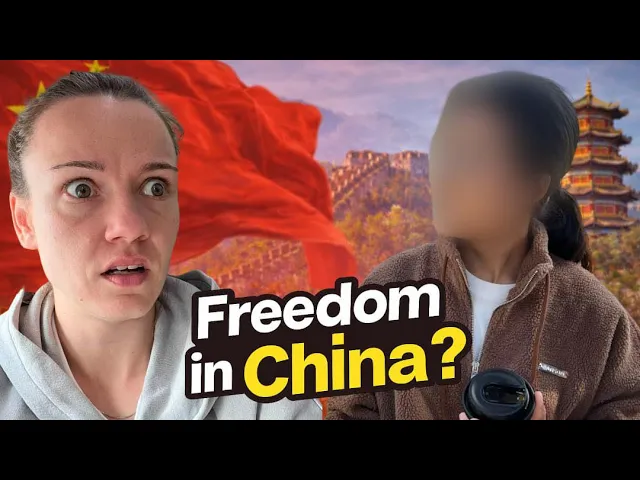
A conversation about stereotypes
Lizzy steps aside from her usual role and interviews Emma, her camera operator and a Chinese woman living in China. The conversation takes place while they are traveling in South Africa. Emma recalls an incident at an animal rehabilitation center where a European tourist said rhino poaching happened because Chinese people needed it. Lizzy was angry at the comment, and Emma says she felt its sting. The encounter becomes an example of stereotypes and how little some people know about China.
Emma has traveled internationally while working on cruise ships. She remembers suggesting a walk in Jamaica and being told by colleagues that it was unsafe for women. That experience made her think about safety as a privilege she had taken for granted in China. Emma says she feels able to walk anywhere at any time in China, including as a woman alone. She also says cameras on streets make her feel safer rather than watched. These comments describe her own experience and should not be taken as a universal guarantee.
Emma's view of freedom and public life
Lizzy asks what freedom means for Chinese people. Emma describes it through safety, convenience, and trust that the government is working toward broader progress. She says she does not feel a need to argue about politics in the way she sees some Americans do, and points to affordable subways, infrastructure, and the country's development as results she values. Lizzy raises criticism about freedom of speech; Emma responds that a whole system cannot be judged from fragments of information.
Emma's advice to people who have not visited China is to avoid relying only on internet claims and to see the country in person before forming an opinion. Her account is personal, shaped by living in China and traveling abroad. The conversation includes the rhino-poaching stereotype, cruise-ship work, women's safety, surveillance cameras, public infrastructure, and different understandings of freedom. Lizzy lets Emma explain her perspective directly while asking questions about her experiences.
FAQs (From the traveler's perspective)
- Q: What happened at the animal rehabilitation center?
- A: Emma recalls a European tourist claiming that rhino poaching happened because Chinese people needed it. Lizzy was furious, and Emma says the comment hurt, making it an example of a stereotype about China.
- Q: Why does Emma feel comfortable walking alone in China?
- A: Emma says she feels safe walking alone and contrasts that with a warning she received in Jamaica while working on cruise ships. She describes this as her personal experience and perspective.
- Q: What does freedom mean to Emma?
- A: She describes it through safety, convenience, infrastructure, and trust that government decisions will improve the country. Lizzy raises other views, including criticism about freedom of speech, and the two discuss their differing perspectives.