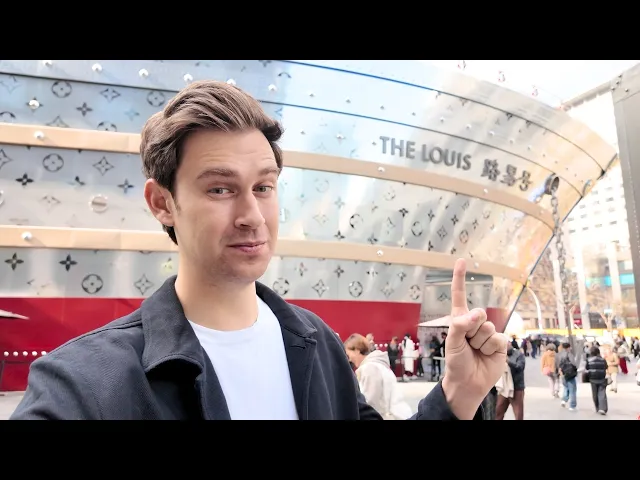
This video delves into the fascinating experience of a Russian couple, Max and his wife, who have been living in China for over six years. Hosted by Lizzy, the conversation debunks common misconceptions about Russia, such as pervasive alcoholism and rudeness, revealing a more nuanced reality. Max explains that Russian directness is often mistaken for rudeness and that their reserved demeanor stems from a cultural aversion to smiling without reason, a stark contrast to Western expressiveness.
The discussion then shifts to why more Russians are drawn to China. Max highlights geographical proximity and China's economic power as key factors, especially for e-commerce ventures. He also touches upon the increasing global challenges faced by Russians in obtaining visas, leading to greater curiosity about China. The couple shares their personal journey, moving to China for a better work-life balance after grueling hours in a Russian corporation.
Their experiences in China are overwhelmingly positive. They recount instances where their Russian identity elicited warmth and curiosity, even leading to shared drinks with tea farmers and monks. While acknowledging that not all Chinese people are universally fond of Russians, they feel treated like brothers, finding the Chinese people welcoming, gentle, and accepting, especially compared to potential complications faced in other countries.
A significant portion of the video explores the differences between Russian and Chinese work cultures. Max contrasts Russia's individualistic approach, where workers' rights are emphasized, with China's more collectivist, machine-like work ethic. He notes that Chinese management expects obedience, while Russian management allows for more individual negotiation. However, they observe a positive shift in China, with younger generations and even Chinese employees increasingly standing up for their rights, a change that has become more pronounced in recent years.
Safety in China is another key topic. The couple expresses feeling exceptionally safe in China, to the point where they've become somewhat complacent, a stark contrast to their experiences in Russia, particularly in the 1990s, which were marked by higher crime rates. While Moscow is considered safe, other Russian cities may require more caution. They highlight how China's safety has 'spoiled' them, making them less vigilant when traveling elsewhere.
The couple shares their favorite aspects of living in China: the convenience of online shopping, the incredibly efficient and modern infrastructure (subways, ride-sharing, bike-sharing), and the profound cultural immersion offered by Chinese tea. Max describes tea culture as his gateway into understanding China more deeply.
Reflecting on personal growth, Max explains how living in China has broadened their perspectives, teaching them to manage their temperaments and adapt to a different cultural mindset. They emphasize the importance of adapting to the local culture rather than expecting the country to adapt to them. The video concludes with Max recommending that people visit Russia themselves and approach it with an open, unbiased mind, just as they encourage viewers to do with China.
FAQs (From the traveler's perspective)
- Q: What is the biggest misconception about Russians?
- A: Many people think Russians are always drunk and carry vodka, or that they are closed off, gloomy, and rude. While there's some truth to drinking habits historically, it's not a universal trait today. Russians are often straightforward rather than rude, and their reserved nature stems from a cultural dislike of smiling without reason.
- Q: Is Russia a dangerous country?
- A: While the 1990s saw very high crime rates in Russia, the situation has improved dramatically. Cities like Moscow are generally safe. However, it's still advised to use common sense and be aware of your surroundings, as it might not be as safe as China in all areas.
- Q: Why do so many Russians choose to live and work in China?
- A: Proximity and China's economic power are major draws. Many Russians see opportunities in e-commerce, building trade bridges. Additionally, with some countries being less welcoming to Russians, China offers a more accessible and curious environment for exploration and work.
- Q: How are Russians treated in China?
- A: Generally, Russians feel very welcomed and treated like brothers in China. Chinese people are often curious and friendly, sometimes even offering hospitality. While not every individual is the same, the overall experience is positive, with little discrimination, even after recent global events.
- Q: What are the main differences between Russian and Chinese work culture?
- A: Russian work culture is more individualistic, emphasizing workers' rights and allowing for negotiation. Chinese work culture is more collectivist, viewing employees as parts of a machine that need to cooperate and obey management directives. However, China is rapidly evolving, with younger generations increasingly asserting their rights.
- Q: How safe is China compared to Russia?
- A: China is perceived as exceptionally safe, allowing for comfortable travel at any time and a reduced concern for belongings. This high level of safety has made the couple somewhat complacent, a contrast to the need for greater vigilance in certain areas of Russia.
- Q: What are your favorite things about living in China?
- A: The incredibly convenient and affordable online shopping, the highly efficient and modern infrastructure (subways, ride-sharing, bikes), and the deep cultural immersion through Chinese tea are major highlights. These aspects make daily life much easier and more enjoyable.
- Q: Do you need to speak Chinese to travel or live in China?
- A: No, you don't strictly need to speak Chinese to travel or live in China, thanks to modern technology like translation apps and even smart glasses. However, learning the language unlocks a deeper understanding of the culture and leads to more meaningful interactions and respect from locals.
- Q: What is one thing you would take back from China to Russia?
- A: Max would love to take Taobao (the online shopping platform) with its low prices, or perhaps a small tea tree. He also mentions the 'Little Red Book' app (Xiaohongshu) as a great way to engage with Chinese culture and trends.