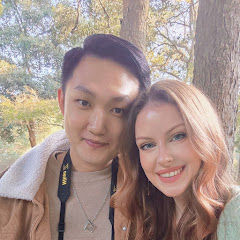
You can always hear about people about going to Asia and get yourself a man or woman, it will be easy. So here is the question, Do foreigners have privilege in China? What is the reality of that? Let's find out.
Jiayi & Julie explore foreigner privilege in China, revealing surprising examples of preferential treatment and its impact on both foreigners and locals. A nuanced look at cultural perceptions and inequalities.
Travel Guides & Tips in this video
Jiayi and Julie, in their latest video, delve into the complex issue of foreigner privilege in China. They explore various instances of preferential treatment, from university admissions to marketing campaigns, sparking debate and highlighting societal biases. The video presents a balanced view, acknowledging both the advantages and disadvantages faced by foreigners and Chinese citizens alike. It's a thought-provoking discussion on cultural perceptions and societal inequalities.
You can always hear about people about going to Asia and get yourself a man or woman, it will be easy blabla. So here is the question, Do foreigners have privilege in China? What is the reality of that? Let's find out.
Foreigner Privilege in China: Unveiling Bias in Education, Business & Society
Join Jiayi & Julie as they explore China and uncover the reality of foreigner privilege. Their journey challenges common misconceptions, offering a fresh perspective on cultural interactions and daily life. Discover the truth behind the myths and experience China through their eyes.
More about the current video:(Published on 2024-07-25)
This video by Jiayi & Julie In China tackles the controversial topic of whether foreigners enjoy privileges in China. The discussion is fueled by recent news stories highlighting instances of preferential treatment given to foreigners over Chinese citizens. These examples range from universities allocating disproportionate resources to international students to businesses offering freebies exclusively to foreigners.
Jiayi and Julie discuss these events, sparking a conversation about the fairness of these situations. They address the issue on two levels: governmental and social. On a governmental level, the focus is on education. International students often face less stringent admission requirements and receive substantial scholarships and housing benefits unavailable to their Chinese counterparts. This disparity is further examined by considering the entrance exams, such as the Gaokao, which Chinese students must navigate, while international students have different standards.
The social aspect of the discussion highlights the overrepresentation of white models in Chinese advertising, which Jiayi and Julie find problematic. They argue that this preference for Western beauty standards is not only unrealistic for many Chinese women but also promotes an unhealthy ideal. Jiayi shares her personal experience as a model, noting the differences in how makeup and clothing fit her compared to Chinese models. The discussion extends to the perception of foreigners' behavior, suggesting that they often receive more leniency than Chinese individuals for similar actions.
The discussion also touches upon dating and social interactions. The perception of Westerners as exotic leads to certain privileges in nightlife and social settings, which Jiayi finds somewhat uncomfortable. The underlying reasons for this privilege are explored, with Jiayi and Julie suggesting that historical context, such as colonialism, and the post-economic reform mindset play a role. However, they emphasize that the root cause is likely a complex interplay of factors, including the desire to impress foreign guests and a lingering sense of inferiority in some parts of Chinese society.
Jiayi and Julie conclude by stating that while foreigners do have privileges, it's a multifaceted issue. They encourage viewers to consider the various perspectives and continue the conversation. The video ends with a call for equal treatment and understanding, emphasizing that both China and the West have areas for improvement and that neither country is perfect.