As an American, I've heard a lot of things about China. So I decided to go and see for myself what China is REALLY like: Are locals friendly to foreigners--Especially Americans? Are tariffs affecting their economy? Are things expensive?
In this video, we'll find out how much things like street food and hotels cost, whether China has really advanced as much as people say, how people treat Americans, and what life is like in a Chinese Megacity.
Stay tuned for the next video → Chongqing - The World's BIGGEST City! 🇨🇳
Emily and Razi explore Chongqing’s street food, tech-savvy services, and surprisingly affordable lodging, finding friendly locals and a city that feels like the
Travel Guides & Tips in this video
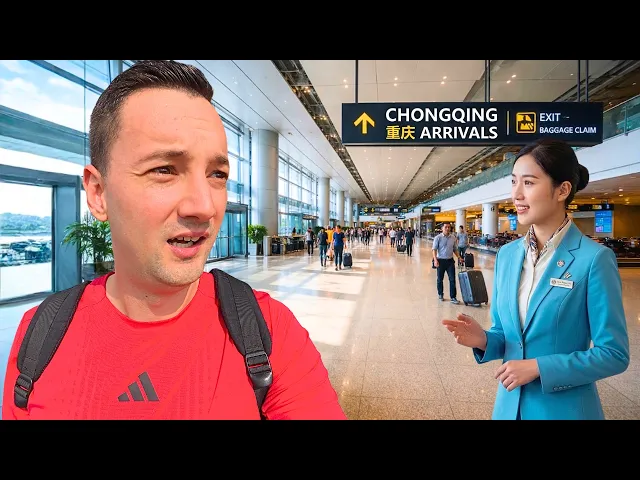
In this immersive Chongqing episode, Emily and Razi dive into the rhythm of a Chinese megacity at the end of 2025, exploring how locals interact with Western visitors, how prices compare to the US, and what life feels like on the ground. The video opens with a stroll through a bustling night market near their hotel, where they sample dumplings, navigate menus with the help of translation tools, and remark on the vibrancy of neon-lit streets. Emily highlights the warmth and friendliness of strangers who respond positively to English, offering a reassuring first impression of how Americans are treated in public spaces. The dumplings prove to be a cheap, tasty introduction to street food—about three dollars a basket with eight dumplings per basket—rendering the market scene both delicious and economical. A sponsored segment for Cyber GhostVPN segues into reflections on online privacy and the practicalities of streaming in transit. The pair then veer into more modern conveniences: a high-fl
As an American, I've heard a lot of things about China. So I decided to go and see for myself what China is REALLY like: Are locals friendly to foreigners--Especially Americans? Are tariffs affecting their economy? Are things expensive?
In this video, we'll find out how much things like street food...
Chongqing in 2026: Street Food, Deflation, and a Cyberpunk Megacity Vı
Embark on an eye-opening journey through China, challenging preconceived notions and revealing a vibrant reality. This video dives deep into the daily life of a Chinese megacity, exploring everything from the bustling street food markets and the surprisingly affordable prices to the futuristic urban landscape. Experience the warmth of local interactions, discover hidden gems like historic neighborhoods, and even brave a fiery hotpot adventure. It's a firsthand look at a nation that's constantly evolving, offering a unique blend of tradition and modernity.
Attractions in this video: Shibati, Oldtown, Neonstreets, Megacityvariety, Hotpotspot
More about the current video:(Published on 2026-01-19)
Emily introduces herself as a US-based travel blogger and Razi as her companion from Tunisia. They plan a 30-day exploration of China’s biggest city to gauge American treatment, price levels, and daily life in a modern megacity. They begin at a lively night market, where they try dumplings and observe the vendor’s menu with the aid of translation. The food feels affordable, roughly three dollars for eight dumplings, and they note how good the aromas and textures are, with a chili sesame sauce enhancing the experience. A quick nod to English-speaking younger Chinese is followed by a moment in which they capture the menu with photos and choose a shrimp and mushroom-pork dumpling combo. They highlight the city’s neon aesthetics and “future-like” vibe, then pivot to a hotel room valued around twenty dollars a night, underscoring deflation pressures tied to domestic production and reduced exports to the US. The vlog shifts to a modern mall where Emily experiments with a Luckin coffee and a local power-bank rental system, both illustrating China’s streamlined, cashless, app-driven retail environment. They stroll through Shibati, Chongqing’s historic district, and interact with staff who assist with digital payments and translation, emphasizing the city’s blend of ancient architecture and contemporary life. A standout food moment occurs as they opt for a spicy hotpot experience, carefully navigating the menu’s extreme options, the numbing level, and the communal dining ritual, ending with a warning about the heat and the spice. Emily and Razi reflect on the overall experience: despite some bathrooms being challenging, they encounter kindness and helpful translation that reinforces a positive impression of foreigners being treated well. The day closes with a reminder of privacy tools offered by a VPN sponsor and a closing invitation to engage with more content and a Patreon for extended insights. The traveler notes that while hotpots can be expensive in certain venues, the city overall is full of value and wonder, and the people are welcoming and accommodating, countering stereotypes about Chinese attitudes toward foreigners. Emily signs off with thanks, a call to action for subscriptions, and gratitude for supportive viewers. This exploration frames Chongqing as a living, cyberpunk-like metropolis with warmhearted locals and a taste for spicy, flavorful food, not merely a distant megacity on a screen. Emily mentions traveler name 1-2 times as part of narrative, and the video ends with an appeal to check the VPN discount and join future adventures.
FAQs (From the traveler's perspective)
Q: Is Chongqing expensive for travelers?
A: On average, lodging and street food can be very affordable, with hotel rooms around twenty dollars a night and dumplings at a couple dollars per basket, though upscale hot pot can be pricier in touristy areas.