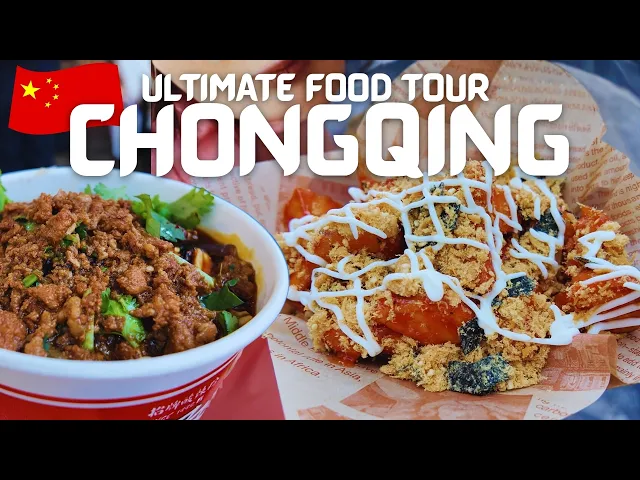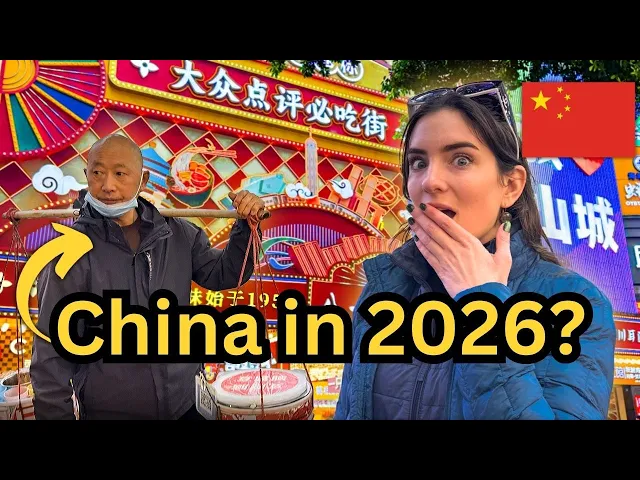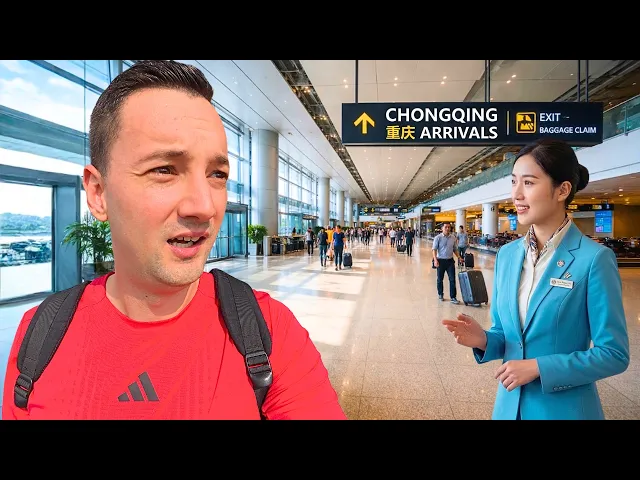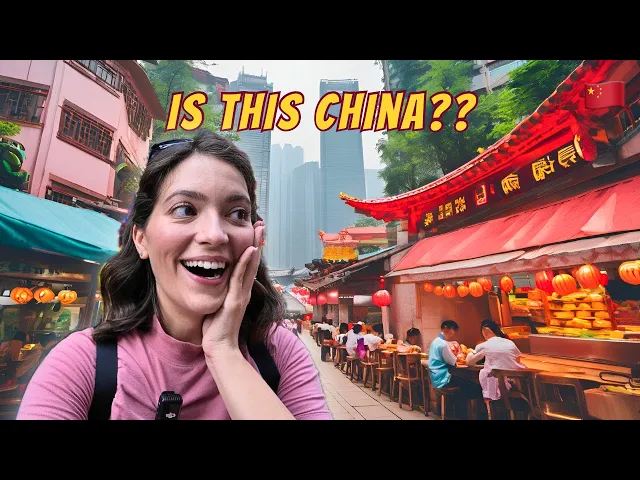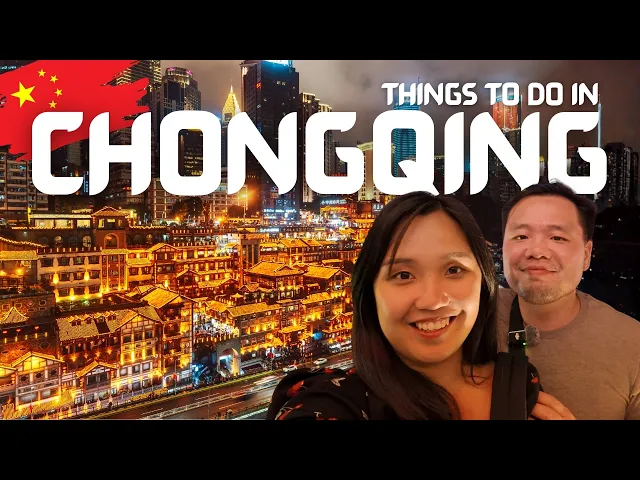
Paula and Henry's exploration of Chongqing, China, begins in the historic Ciqikou Ancient Town, a place once central to porcelain trading, now transformed into a lively street market filled with food stalls and small restaurants. They note the area's recent renovation and vibrant atmosphere, complete with decorative lights and activities. Paula's experience ordering floral ice cream highlights a charming interaction with a vendor who uses a unique method to help her choose a flavor. The couple samples various local treats, including spicy noodles, ginger bars, rice cakes, and maong cake, remarking on the fun of guessing unfamiliar items. They navigate through narrow, uphill alleys, discovering shops selling unique items like birthday-themed hand creams and city-specific gift sets. A highlight is their encounter with a massive, three-story claw machine, offering a playful diversion.
Their evening is dedicated to experiencing Chongqing 1949, a theatrical performance depicting the historical conflict between the Communist Party and the old government. Despite not understanding Mandarin, they are captivated by the show's visual spectacle and innovative staging, where the set moves dynamically.
The next day, they visit Jiefangbei, Chongqing's largest pedestrian shopping district, noting the monument commemorating China's victory in World War II and the surrounding blooming flowers. They explore side streets filled with breakfast spots and observe the energetic hustle of local vendors.
Later, they discover Longmenhao Old Street, an area offering panoramic views of the Yangtze River and the city's bridges. The maze-like nature of the streets, with its various levels and winding paths, adds to the adventure, leading them to discover charming shops selling intricate cardboard models and unique souvenirs like USB charging clocks and postcards depicting local landmarks.
A significant portion of their trip is dedicated to the iconic Liziba Station, where they witness the unique phenomenon of a public transport train passing directly through a residential building. They visit a popular viewing area to capture this architectural marvel.
Their Chongqing adventure concludes with an evening in the Hongyadong area, marked by a stunning sunset and the city's transformation into a vibrant nighttime spectacle. They witness the illumination of the bridge and surrounding buildings, experiencing the lively atmosphere as crowds gather to watch. They dine at a fusion restaurant, sampling both Western and Chinese dishes, including a unique dessert pizza. The experience of eating with plastic gloves, a practice they note is common in China, adds to the authentic cultural immersion. Their final stop is the Quansimen Bridge, where they navigate crowds to capture the iconic view of the city's 6,000 LED lights, reflecting on their memorable journey through this dynamic city.
FAQs (From the traveler's perspective)
- Q: What was the most unique ice cream experience?
- A: The vendor helped Paula choose a vanilla ice cream flavor by letting her smell it, then garnished it with pre-made floral decorations.
- Q: What kind of unique souvenirs can be found?
- A: You can find personalized hand creams based on birthdays or zodiac signs, as well as USB charging clocks depicting city landmarks.
- Q: What was the Chongqing 1949 show like?
- A: It's a visually spectacular show about historical conflicts, with dynamic staging and moving sets, even if you don't understand Mandarin.
- Q: What is special about Liziba Station?
- A: It's famous for a public transport train that passes directly through a residential building, a truly unique architectural sight.
- Q: What is the dining experience like at Hongyadong?
- A: You can find fusion restaurants and enjoy local dishes. Sometimes, plastic gloves are provided for eating, especially with dishes like chicken wings and fries.