We spent 2 months in China, and in this video we're discussing what shocked us most, from the massive population sizes to the surprisingly spicy food, otherworldly landscapes, and everything in between. Join us as we reminisce about some of our favorite moments and learn from our mistakes so you can fully enjoy China and all that it has to offer. <br><br> China's cities are next level — the scale of the skyscrapers and neon lights is staggering. And China is massive; everything takes longer to get between than you'd think. But it's easy to get around thanks to an incredible high-speed rail network and affordable taxis. Just remember to always carry your passport — you'll need it for train tickets, hotel check-ins, and even some museum entries. <br><br> The language barrier is pretty tough; English is not widely spoken outside of tourist hubs, so a translation app is essential. Speaking of apps, there's no great maps app — Google Maps is blocked, and alternatives like Baidu Maps can be tricky for English speakers. The traffic pattern is chaotic by Western standards, and jaywalking is not a thing — everyone waits for the light. <br><br> Plan ahead, because the popular spots are worth it. Everything is cashless — you'll need Alipay or WeChat Pay for almost every purchase. Chinese food is incredible — from street stalls to hole-in-the-wall noodle shops, the variety and flavor are mind-blowing. You'll need a VPN before you arrive if you want to use Google, Instagram, or WhatsApp. And the best part? It's crazy affordable here — your money goes a long way. There's a few visa options depending on how long you plan to stay, so check the requirements well in advance.
Mike and Ashley spent two months in China, finding stunningly modern cities, affordable luxury, and incredible food that challenged their expectations.
Travel Guides & Tips in this video
Travelers Mike and Ashley spent two months exploring China and were blown away by its staggering modernity, massive cities, and incredibly spicy food. From the high-speed trains to the cashless society, they share the surprising realities of traveling in China today. Key takeaways include the need for a VPN, Alipay, and your passport at all times. The food scene alone—from street stalls to a 30-dollar feast—makes the journey unforgettable.
Next travel video:
2 Months in China: Biggest Shocks, Tips & Must-Know Travel H
We spent 2 months in China, and in this video we're discussing what shocked us most, from the massive population sizes to the surprisingly spicy food, otherworldly landscapes, and everything in between. Join us as we reminisce about some of our favorite moments and learn from our mistakes so you can...
China Travel Shocks: Modern Cities, Food & Tips After 2 Months
Mike and Ashley spent two months traveling across China, and this video captures everything that shocked them along the way. From the sheer scale of cities like Shanghai and Chengdu to the unexpected spiciness of the food, they share their raw first impressions and hard-earned lessons. They explain how easy it is to get around with trains and taxis, but warn viewers to always carry their passport because you'll need it for nearly everything. The language barrier is real, maps can be unreliable, and traffic patterns take some getting used to, but the payoff is incredible food at shockingly low prices. They also cover visa options, the need for a VPN, and why planning ahead for popular spots is absolutely worth it. This is an honest, practical guide for anyone considering a trip to China.
Attractions in this video: Great Wall Of China, Forbidden City, Mutianyu Great Wall
More about the current video:(Published on 2025-06-01)
Travelers Mike and Ashley spent two months exploring China and were struck by how modern and developed the cities are, completely contradicting the outdated image many Westerners still hold. They were shocked by the sheer scale of the country and its cities—Beijing and Shanghai each have over 20 million people—and how each city felt like a different country, from chic Shanghai to traditional Beijing.
Getting around is surprisingly easy thanks to affordable high-speed trains, which they booked using Trip.com. They recommend second class for value and business class for a splurge, warning that first class isn't worth the extra cost. A crucial tip: always carry your passport. It's needed for train tickets, hotel check-ins, SIM cards, and even entering major attractions like the Great Wall and Forbidden City.
The language barrier is real—China was the hardest country for English—but younger locals are happy to use translation apps. Google Maps and Google Translate don't work, so they relied on Apple Maps for navigation and Apple Translate for communication. For finding restaurants, they used Dianping, which is entirely in Chinese, requiring some screenshotting and translating. Ordering food without pictures or English was their most frustrating experience, but they never had a bad meal.
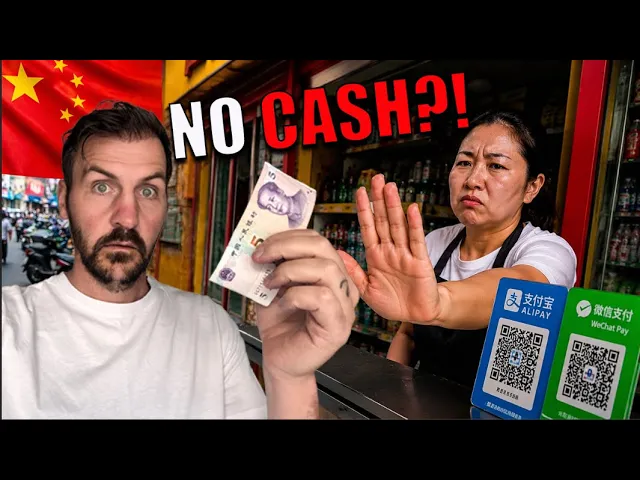
China is essentially cashless. Alipay and WeChat Pay are used everywhere, so they recommend setting these up before arrival. They took out 1,000 RMB and left with 750 still unused. Street food is safe and delicious—they didn't get food poisoning once—and can be found at busy stalls with high turnover.
The food was a highlight. They loved the dim sum in Guangzhou, dumplings everywhere, and the incredible Nanjing Impressions restaurant where they had a huge spread for under $30. They warn that Google and other Western apps are blocked, so multiple VPNs are essential; they found Mullvad most reliable. Accommodation averaged $35 to $50 per night, often with robot room service and high-tech features. They also rave about portable charging banks available everywhere via QR code.
For visas, US citizens have two options: a 10-day transit visa or a 10-year multiple-entry tourist visa. They applied in Hanoi and found the process straightforward with a basic itinerary. They capped their stay at the 60-day maximum and left with emotional goodbyes, especially in Nanjing. Their final advice: ignore the media's negative portrayal and the political tensions; every local they met was welcoming and happy to share their culture.
FAQs (From the traveler's perspective)
Q: What's the best way to get around China?
A: High-speed trains are the easiest and most efficient, with second class being the best value. We booked everything through Trip.com.
Q: Do I need cash in China?
A: Cash is almost irrelevant. We took out 1,000 RMB and left with 750. Alipay and WeChat Pay are used for almost everything.
Q: Is it safe to eat street food in China?
A: Absolutely. We never got food poisoning in two months. Go to busy stalls with high turnover and use common sense.
Q: How bad is the language barrier?
A: China speaks the least English of any country we've visited. But younger people use translation apps, and public transit signs have English translations.