Travel Guides & Tips in this video
- Tip 1Learn about ancient grain recipes and how glutenous rice laid the foundation for many desserts in the sudo and hanguo regions. (01:00)
- Tip 2When trying hong kong style desserts in Shanghai, look for a selection that blends creamy milks with light, silky textures. (03:34)
- Tip 3In Suzhou, choose desserts with local flair and consider gifting options from packaging that emphasizes tradition. (09:52)
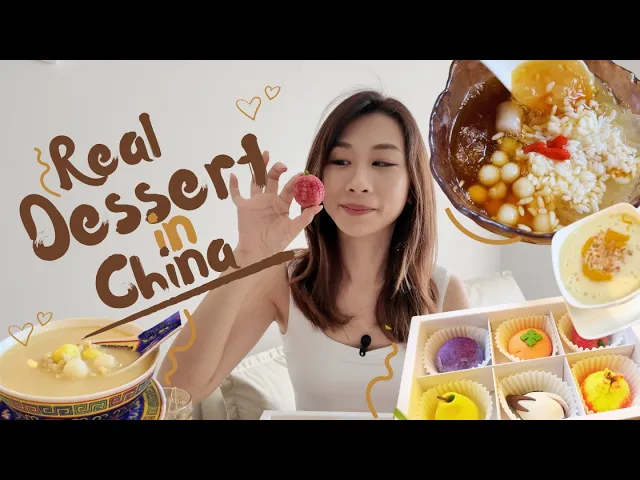
Mo Zhu takes viewers on a flavorful dive into real traditional Chinese desserts, arguing that foreigners often find Chinese sweets not as sweet or familiar as Western desserts. She explains that ancient China used glutenous rice and a mix of grains to craft iconic treats, spotlighting the sudo and hanguo regions as foundational. The video follows her to a century-old pastry shop for a first tasting, where she introduces a glutinous rice exterior with red bean filling and discusses the chewy, balanced nature of such desserts that many older Chinese generations adore, while cautioning that they can be hard to digest for those with sensitive stomachs. She then explores a Hong Kong style dessert shop in Shanghai, sampling a range of confections from crispy, cookie-like pastries to silky milk-based treats and fruit-forward cups, highlighting how Chinese sweets can be soft, porridge-like, or liquid, rather than always solid. The journey moves through Suzhou, where Mo Zhu highlights the citys
Next travel video: ( 5 / 13 )
More about the current video:( 4 / 13 )

Mo Zhu invites viewers to rethink Chinese desserts, insisting that real traditional Chinese sweets belong to a totally different world from Western expectations. She traces early culinary roots to glutenous rice and grains used since ancient times, with a focus on the sudo and hanguo regions, before visiting a century-old pastry shop for a first tasting. The red bean filled glutinous rice treats she samples are described as sticky and balanced, with notes on digestion and family memories tied to these textures. Moving to a Kenedy style dessert stop in Shanghai that highlights Hong Kong–style sweets, she tastes a range of items from noodle-like cookies to creamy milk-based treats and chewy beans. At Suzhou, Mo Zhu explores local pastries and desserts, including syrupy and chilled options, noting that some are best enjoyed with ice or fresh fruit toppings. For Mo Zhu, certain textures and flavors resonate more than others, and she shares her favorites from the six samples, with liy and pu becoming clear standouts. She also calls out the cultural context of highlighting traditional packaging and gift-worthy options, and she asks viewers for their preferred desserts in the comments, closing with a friendly sign-off that invites discussion and a return visit to taste more. Mo Zhu’s travel style blends sensory tasting with cultural anecdotes, making the desserts feel like windows into regional histories and family stories, and the episode ends with a personal prompt for viewer engagement about preferences.