Travel Guides & Tips in this video
In this episode, Harmony2nd dives into the fascinating world of Chinese lunch culture, comparing local favorites with what foreigners typically eat. The journey begins in Guangzhou, where the traveler explores street food and local eateries, offering a glimpse into authentic Chinese cuisine. A key observation is the prevalence of QR code ordering in restaurants, a modern convenience that streamlines the dining experience. The video highlights interactions with locals, including a conversation with a Muslim individual about halal options, showcasing the diversity within the culinary landscape. While many foreigners find local Chinese food an acquired taste, the episode emphasizes that adaptation is possible. The experience underscores the importance of learning the Chinese language for a smoother, more immersive stay, as communication barriers can lead to a 'miserable life,' though this is humorously presented as a jest. Ultimately, the video celebrates China's vibrant food scene and the welcoming nature of its people.
Next travel video:

More about the current video:(Published on 2025-07-13)
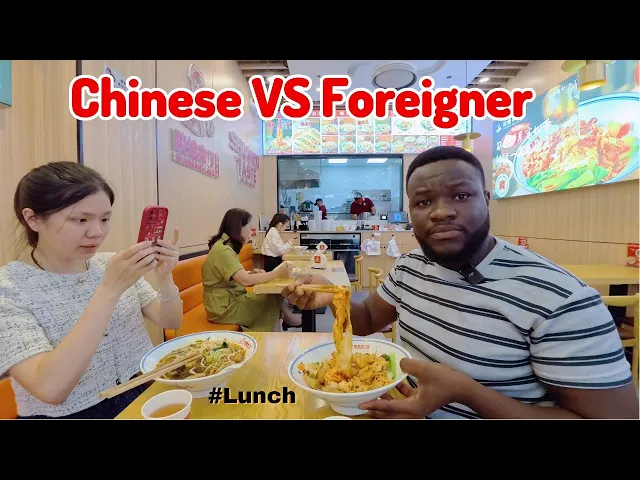
This video takes viewers on a culinary exploration in China, contrasting the lunch habits of locals with those of foreigners. The traveler, Harmony2nd, begins by seeking out authentic Chinese meals, encountering various street food options and local restaurants. A notable aspect of dining in China is the widespread use of QR codes for ordering food, a system that simplifies the process for customers. Interactions with locals provide insights into cultural nuances, such as dietary restrictions like halal requirements, which are respectfully accommodated.
The episode features encounters with individuals from different backgrounds, including a conversation with someone from Bangladesh, highlighting the international community present in China. The traveler notes that while many foreigners may find it challenging to adapt to the strong flavors of traditional Chinese cuisine, it is certainly possible with time and openness. The importance of language proficiency is also touched upon; learning Chinese is recommended to enhance the experience and avoid potential difficulties.
Despite the initial challenges some foreigners might face with local food preferences, the overall sentiment is positive, emphasizing the welcoming nature of Chinese people and the country's secure environment. The video showcases the dynamic food culture, from bustling noodle kitchens to the simple pleasure of a local drink. It concludes by encouraging viewers to embrace the adventure of trying new foods and engaging with the local culture, suggesting that a willingness to adapt and learn can lead to a rich and rewarding experience in China.
FAQs (From the traveler's perspective)
- Q: What do Chinese people eat for lunch?
- A: The video explores various local options, including noodles and street food, contrasting them with what foreigners typically eat.
- Q: How do you order food in Chinese restaurants?
- A: Most restaurants use QR codes for ordering. You scan the code on the table to view the menu and place your order.
- Q: Is it difficult for foreigners to get used to Chinese food?
- A: Some find it challenging due to different preferences, but many adapt. The traveler mentions personal difficulty but acknowledges others do get used to it.
- Q: What is the advice for people wanting to come to China?
- A: Learning the Chinese language is strongly advised to avoid a 'miserable life' and have a better experience, although this is humorously stated.
- Q: Are Chinese people helpful to foreigners?
- A: Yes, they are described as friendly and helpful, especially when foreigners get lost and need directions.