

Travel Guides & Tips in this video
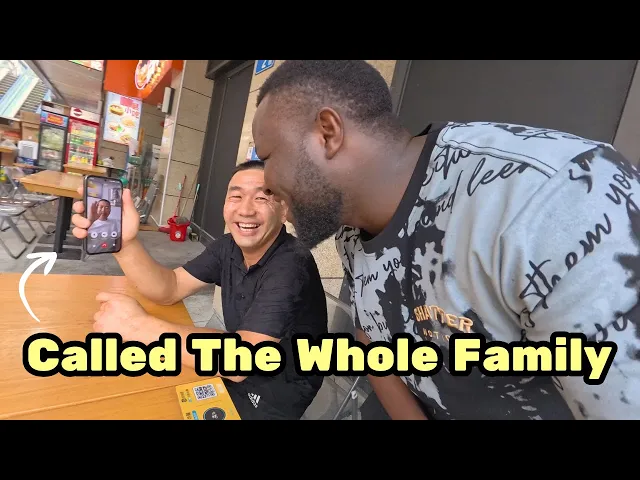
Harmony2nd explores Guangzhou, learning about rail options, food ordering, and a large exhibition park called Sunland. The video compares G-trains, C-trains, K-trains, and subways, including their different speeds and amenities. The traveler orders food by scanning QR codes, tries a large burger, and visits Sunland, where activities include feeding pigeons, themed areas, boats, and carts. Some sections require tickets. The trip also covers challenges foreigners can face using local apps for entry or payment, including asking staff or a supervisor for help. Harmony2nd meets a Black traveler from Ghana and discusses education and future plans. The video notes Guangzhou's heat, about 41°C, and the importance of a friendly approach when speaking with residents. The account also describes the practical side of the visit: some park sections require tickets, while boats and carts can be rented by the hour. A 15 RMB pigeon-feeding activity offers a simple interaction with wildlife. Foreign visitors may need staff or a supervisor to help with app registration, entry, or payment. The traveler discusses routine security checks at transport hubs, and notes that the heat in Guangzhou reaches about 41°C. A conversation with another Black traveler from Ghana turns to education and future plans, including study in Hong Kong or Singapore. Together, these encounters show how train types, local apps, park amenities, and city conditions shape a visit.
Next travel video:
More about the current video:()

Trains, food, and Sunland
Harmony2nd begins by explaining the main types of train travel in China: high-speed G-trains, inter-city C-trains, slower K-trains, and subways. Each differs in speed and amenities, with inter-city trains offering features such as toilets and roomier seating. The traveler then visits a city and looks for a large burger, showing how restaurants commonly use QR codes through apps such as WeChat or Alipay for ordering. This is a practical part of modern commerce that can require adjustment for foreign visitors.
The exploration continues to an exhibition area and a large park called Sunland. Harmony2nd sees bike displays and explores different themed zones. Visitors can feed pigeons for 15 RMB and may find lively activities at night. Some parts of the park require a ticket. There are boats and carts for getting around, and visitors can choose activities based on time and cost.
Local apps and conversations
The video discusses how foreigners may have trouble registering with local apps, especially without local phone numbers. Harmony2nd describes needing a supervisor's help to access or pay for some services. The traveler also meets another Black visitor from Ghana, and they talk about education, future aspirations, and possible study plans in Hong Kong or Singapore.
Guangzhou's heat is another part of the experience, with temperatures described as reaching 41°C. Harmony2nd recommends staying positive and approachable when meeting residents, as a smile can lead to warmer interactions. The video ends with reflections on the kindness of strangers and the variety of places encountered away from the usual tourist routes. Its practical notes cover train classifications, app-based orders, park fees, transportation inside attractions, security checks, and the challenges foreign visitors may face when using local apps. The city is hot, with temperatures around 41°C, and the route includes routine security checks at transport hubs. The visit to Sunland includes bike displays, themed zones, boats, and carts, while some areas require entry tickets. A 15 RMB pigeon-feeding activity gives a simple way to interact with wildlife. These practical details sit alongside conversations with staff and visitors. The traveler also compares the different train services and points out that the inter-city option has toilets and more space. QR-code ordering allows food to be brought directly to a seat, and local apps also affect how foreigners enter attractions or pay. Staff and supervisors may assist when app registration is difficult. The group sees bike displays, exhibition spaces, themed park zones, and transport options for exploring the grounds. A friendly conversation with a visitor from Ghana shifts to education and plans for study abroad. These moments give the day a broader view of transport, parks, and encounters in the city.
FAQs (From the traveler's perspective)
- Q: What are the different types of trains in China?
- A: The video lists high-speed G-trains, inter-city C-trains, slow K-trains, and subways. Inter-city trains may have toilets and more spacious seating than other options.
- Q: How do restaurants take orders?
- A: Many restaurants use QR codes on tables. Travelers can scan a code with apps such as WeChat or Alipay to order food directly to their seat.
- Q: What activities are available at Sunland?
- A: The park offers activities such as feeding pigeons for a fee, exploring themed areas, and taking boats or carts. Some areas require tickets, and the park may be more lively at night.
- Q: What app difficulties can foreigners face?
- A: Some local apps can be difficult to register for without a local phone number. The video shows the traveler seeking help from staff or a supervisor to access services.
- Q: How can visitors make a good impression with locals?
- A: The traveler suggests being approachable, smiling, and keeping a positive attitude. This can help create friendly interactions even when there are language or cultural differences.
- Q: How hot was it in Guangzhou?
- A: The video describes temperatures reaching about 41°C. Visitors should be prepared for heat while exploring the city and park.
