
Travel Guides & Tips in this video
Wale&Me travel through Fenghuang and Zhenyuan without settling every stop in advance. They book a hotel while on a bus, explore old-town streets and look for food beyond the main tourist areas. Their experiences include traditional-costume photos, local dishes, a hike to a pagoda and challenges finding vegan food. They use translation apps, ask questions and keep adapting as they travel between the towns. They also visit a mountain pagoda, discuss entrance fees and discover that walking away from central streets can change the feel of a popular town. Their experience includes bus stations, local eateries, town architecture and friendly conversations as they decide what to do next. Their route is shaped by practical decisions as much as sightseeing: where to stay, how to get to the next town and where they can find food that fits their diet. They remain open to changing plans while learning about the towns through walking and conversation.
Next travel video:

More about the current video:()

An unplanned visit to Fenghuang
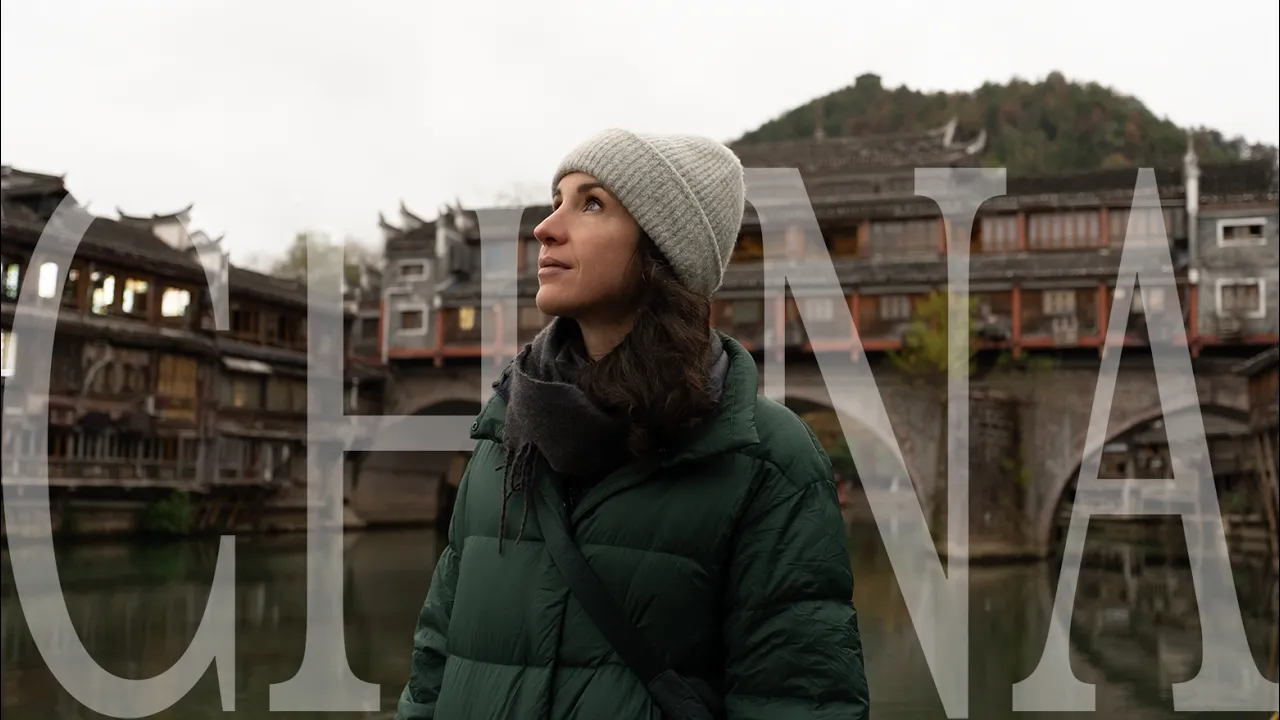
Wale&Me set out on an improvised trip through China and arrive in the ancient town of Fenghuang without a fixed itinerary. They decide where to go as they travel, arrange accommodation while riding the bus and work out transportation as situations arise. The video begins in cold weather, with the pair choosing to explore the old town rather than stick to a prepared schedule. They find that the busy streets and historic architecture are only part of the visit: walking a short distance from the main tourist areas leads them to quieter corners, local food and other everyday experiences.
The vlog looks at Chinese tourism and the practice of visitors dressing in traditional costumes for professional photos in ancient towns. Wale&Me find this custom interesting and appreciate how it shapes the atmosphere. They also look for vegan food, which proves difficult in some places. The pair use translation apps, ask questions and point to menu items when they need help explaining what they can eat. Some attempts do not work and they are rejected by restaurants, but persistence eventually leads them to local dishes they enjoy. They suggest researching entrance fees in advance and deciding which attractions are priorities when planning a budget.
Continuing to Zhenyuan
Their route continues to Zhenyuan, another ancient town with its own history and cultural mix. Wale&Me keep making decisions as they go, using buses and arranging places to stay during the trip. Their experience is not built around a fixed sequence of sights; instead, they walk the town, explore its architecture and respond to what they discover. A hike up a mountain to a pagoda gives them views of the surrounding scenery and another chance to look beyond the central tourist streets.
The towns show different sides of an improvised journey. In Fenghuang, the travelers explore the old town, search for food and see visitors in traditional clothing posing for photographs. In Zhenyuan, they continue through the streets, reflect on the town's cultural blend and describe the trust they encounter. They also face the practical limits of unplanned travel, especially when seeking vegan meals, and share the value of clear communication and patience. Their account presents bus travel and accommodation as workable parts of the trip, while emphasizing that travelers still need to adapt when arrangements or meals do not go as expected.
Wale&Me's experience is a personal record of moving between two ancient towns without planning every stop in advance. They find that walking away from the main attractions can reveal more local food and a quieter atmosphere, even in popular destinations. The journey combines transportation, historic streets, photography customs, food searches and a pagoda hike, with the freedom to change plans as they learn more about each place.
FAQs (From the traveler's perspective)
- Q: Can you improvise travel through China?
- A: Wale&Me say they did. They booked a hotel while riding a bus and decided where to go next during the journey, and the plans worked out for them.
- Q: What was the food like?
- A: They found local dishes they enjoyed and had some funny experiences while searching for vegan options. Finding suitable meals took questions and persistence.
- Q: What's the unique thing about Chinese tourism?
- A: They noticed visitors and local people dressing in traditional clothes for professional photos in ancient towns. Wale&Me found this a distinctive part of the tourist experience.
- Q: What's it like traveling in China without plans?
- A: They found it possible to arrange buses and hotels as they traveled and say translation apps helped them communicate. They also describe needing to adapt when looking for food.
- Q: What was the most challenging part of the trip?
- A: Finding vegan food in some places was difficult. Wale&Me say they were turned away at several restaurants before finding other options.
