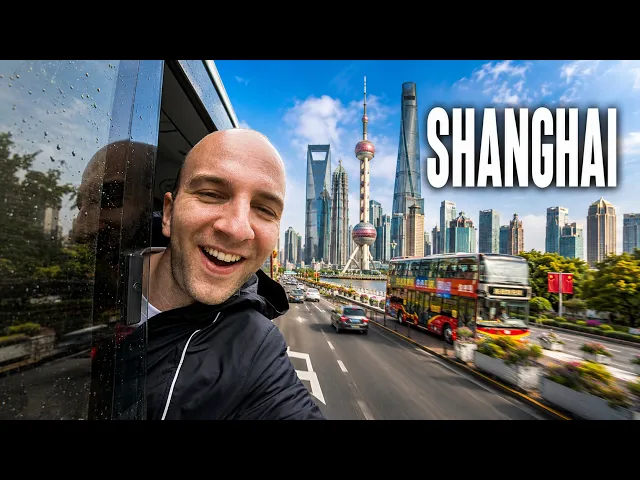
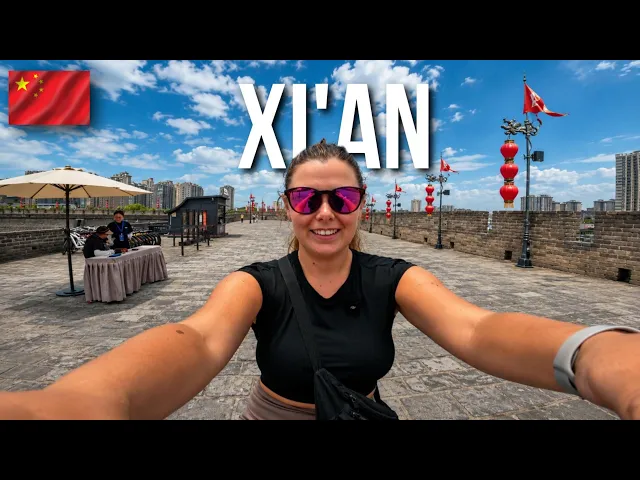
Travel Guides & Tips in this video
Kara and Nate dive into a China that feels like it has stepped straight out of a sci fi forecast. Over weeks of travel they chase technology in daily life, from drone food delivery and driverless cars to robot interiors and a high speed rail network that feels like a national bloodstream. In Shanghai they test a drone coffee drop that sparks playful interactions with locals and reveal a culture that embraces automation without losing its human warmth. They explore a Huawei car store where doors glide open and interiors resemble luxury space cabins, then ride a driverless taxi through bustling streets, marveling at screens that map every pedestrian and vehicle around. In the midday robot mall, robots and holographic touches push comfort and novelty to new levels, including a latte dolling up latte art with faces. The journey continues through a futuristic dining room and a train ride spanning cities, where high-speed rails and on-board ordering systems hint at a seamless, fast-paced way
More about the current video:(Published on 2026-03-07)
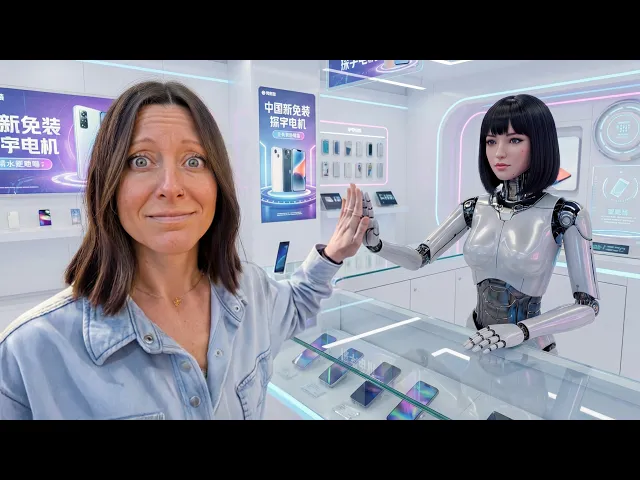
Kara and Nate begin by acknowledging that the tech they’ve seen already feels like living in the future, from robotic exoskeletons to food-delivery robots. They quickly discover drone delivery is a real thing, order coffee via a drone, and experience the logistics of a drone air platform while navigating language and app barriers. In downtown Shanghai, they explore Huawei’s car showroom and marvel at magic doors, no rearview mirrors, and luxury cabin features that make the car feel like a high-end movie theater on wheels. They ride a driverless taxi, witnessing real-time navigation through crowded streets, and reflect on how this could redefine urban travel. They also deviate into a high-tech food hall where WeChat pays for meals, and robots glide along tracks to deliver dishes. The day culminates in a visit to a robot mall in Beijing, where life-sized robot personalities and a latte-art robot showcase a human-robot service era, with Nate and Kara debating the creepiness versus charm of humanoid robots. Each stop highlights how infrastructure and innovation shape everyday life in modern China, all wrapped in a tight, fast-paced travel episode with a hopeful eye toward a future in which automation and culture intertwine seamlessly. The duo notes that while the tech is impressive, practical, user-friendly adoption remains a constant evolution, and their big takeaway is that future-oriented tech can coexist with authentic local moments and efficient mobility like high-speed rail. They close by reflecting on China’s rapid automation and what living here might feel like for residents and travelers alike, tying together the day’s rapid-fire vantages with a broader curiosity about what’s coming next.