
Travel Guides & Tips in this video
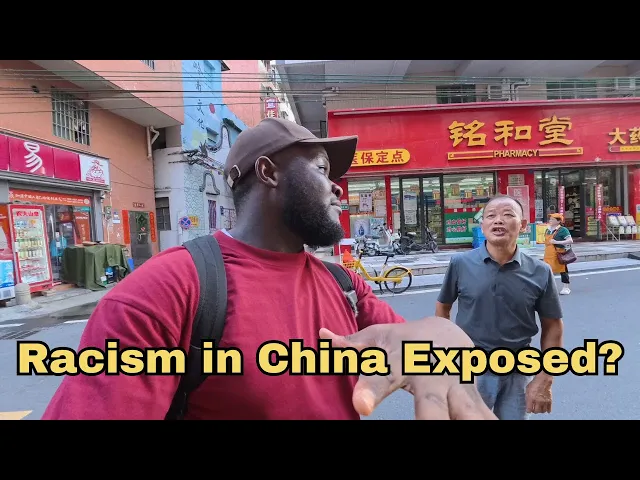
Harmony2nd explores village life in China as a Black foreigner. He visits markets for fruit, meat and vegetables, notes low prices such as duck legs for 8 RMB, and meets a juice seller who remembers him. Bikes carry people and groceries through the streets, while speaking Mandarin often opens conversations. He describes both hesitant and friendly reactions, reflects on handling negative encounters calmly, and notices luxury cars alongside the village's inexpensive everyday goods. His visit combines these interactions with a look at local shopping and daily routines compared with Guangzhou.
Next travel video:

More about the current video:()
Markets and everyday village life
Harmony2nd spends time in a village near Guangzhou and walks through its market, shops and streets. He points to affordable produce, including vegetables priced at 3 RMB and duck legs for 8 RMB. A man selling juice remembers him from an earlier visit, and the two talk. Harmony2nd also sees fruit, meat and vegetables at local shops and compares everyday costs with those in a large city.
Bikes are a regular part of the scene. Residents use them to travel through the village and carry groceries. Harmony2nd shops, walks the streets after dark, and tries unfamiliar vegetables and snacks. He refers to one local condiment as “alipé,” described in the source as likely a type of chili paste. The market and small businesses give him a view of daily routines and affordable food.
Interactions and perspective
As a Black foreigner, Harmony2nd describes meeting different reactions from residents. Some are initially hesitant, while others greet him and talk. He finds that speaking Mandarin often leads to more open conversations. A local juice seller recognizing him is one example of a friendly connection. The video also includes encounters with a person experiencing homelessness and a visitor from Russia, along with a look at a baby, local workers and luxury cars in the village.
Harmony2nd says he tries to stay calm when people react negatively and not let it take away his enjoyment. He reflects that in a country of 1.5 billion people, some people will like him and some will not. His account moves between market prices, bikes and conversations, while comparing the relaxed village pace with the cost of city life near Guangzhou. The video also follows ordinary encounters beyond the market. Harmony2nd notes pharmacies and local streets, meets a foreigner from Russia, and watches local workers and residents on bikes. A juice seller remembers him from a previous visit, while other greetings and conversations develop as he uses Mandarin. He describes some early hesitation from residents alongside later friendly interactions, rather than treating the whole village as uniformly welcoming or hostile. His reflections include prayer as one way he stays calm when reactions are difficult. He also sees luxury cars among the village streets, a contrast with the low prices of everyday food. The account includes a walk in the evening, fresh snacks and vegetables, and a conversation about teaching a baby about the country. Together these observations show the scenes he encounters while moving between the market, shops and residential streets.
FAQs (From the traveler's perspective)
- Q: What was the most surprising thing you found in the village?
- A: Among the surprises are inexpensive everyday goods, including vegetables for as little as 3 RMB, and luxury cars in the village. Harmony2nd says the mix of low market prices and expensive cars caught his attention while he walked around.
- Q: How do you deal with negative reactions from locals?
- A: Harmony2nd tries to remain calm, not let negative reactions reduce his joy, and pray for help. He reminds himself that in a country with billions of people it is normal that not everyone will like him, and he focuses on positive interactions.
- Q: What is the role of bikes in village life?
- A: Bikes are a common and practical part of daily life in the village. Residents use them to commute, carry groceries and get around; Harmony2nd sees bikes throughout the streets and notes that people use them to carry substantial shopping.
- Q: Is it expensive to live in a Chinese village?
- A: Harmony2nd describes village life as more affordable than living in a large city such as Guangzhou, especially for rent and everyday needs. He points to the low prices of fresh produce and other market goods as part of that difference.
- Q: Does speaking Mandarin help when interacting with locals?
- A: Yes. Harmony2nd says speaking Mandarin often makes locals excited to talk and leads to more open interactions. He finds it helps bridge the communication gap, build a connection and learn more about the people he meets.