Original source
Shanghai for Free 2; The Bund (part 1)
Shanghai Bund: Exploring Historic Waterfront & Architecture
Tim Chambers explores Shanghai's Bund, a captivating waterfront with stunning architecture and rich history, leaving a lasting impression.
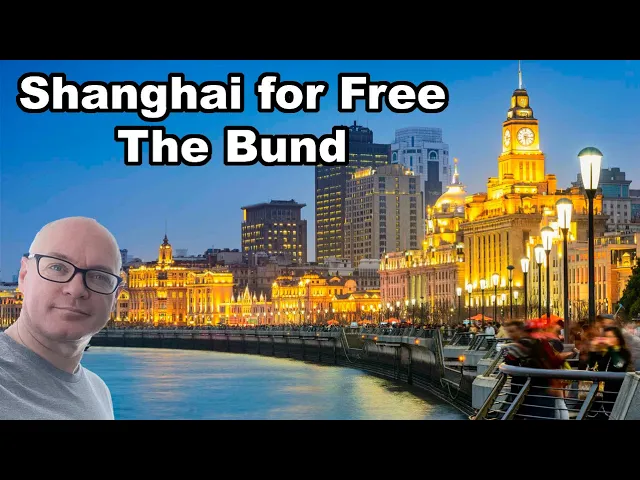
It is possible to see many major sites in Shanghai for free. Join me as I visit several locations along the Bund next to the Huangpu in central Shanghai. I pass by all the buildings but focus on the Waldorf Astoria Hotel, and restaurants in 3 and 5 on the Bund.
The Shanghai Museum is a museum of ancient Chinese art, situated on the People's Square in the Huangpu District of Shanghai, China. Rebuilt at its current location in 1996, it is considered one of China's first world-class modern museums and famous for its large collection of rare cultural pieces. The museum has a collection of over 120,000 pieces, including bronze, ceramics, calligraphy, furniture, jades, ancient coins, paintings, seals, sculptures, minority art and foreign art. The Shanghai Museum houses several items of national importance, including one of three extant specimens of a "transparent" bronze mirror from the Han Dynasty.
The Bund or Waitan is a waterfront area and a protected historical district in central Shanghai. The area centers on a section of Zhongshan Road (East Zhongshan Road No.1) within the former Shanghai International Settlement, which runs along the western bank of the Huangpu River in the eastern part of Huangpu District. The area along the river faces the modern skyscrapers of Lujiazui in the Pudong District. The Bund usually refers to the buildings and wharves on this section of the road, as well as some adjacent areas. This region has a significant European influence, with the style of many structures most comparable to that of European cities, particularly Gothic, Baroque, Neoclassical, Romanesque, Art Deco, and Renaissance architecture. Additionally, some of the city's top eateries are located there. From the 1860s to the 1930s, it was the rich and powerful center of the foreign establishment in Shanghai, operating as a legally protected treaty port.
Explore the iconic Bund in Shanghai, a historical waterfront area showcasing stunning European architecture. Marvel at the Waldorf Astoria Hotel and elegant restaurants along Zhongshan Road. Discover the rich history of this former treaty port, once the heart of Shanghai's foreign establishment. This captivating journey reveals the Bund's unique blend of old-world charm and modern vibrancy, offering a glimpse into Shanghai's fascinating past and present.
It is possible to see many major sites in Shanghai for free. Join me as I visit several locations along the Bund next to the Huangpu in central Shanghai. I pass by all the buildings but focus on the Waldorf Astoria Hotel, and restaurants in 3 and 5 on the Bund.
The Shanghai Museum is a museum of ancient Chinese art, situated on the People's Square in the Huangpu District of Shanghai, China. Rebuilt at its current location in 1996, it is considered one of China's first world-class modern museums and famous for its large collection of rare cultural pieces. The museum has a collection of over 120,000 pieces, including bronze, ceramics, calligraphy, furniture, jades, ancient coins, paintings, seals, sculptures, minority art and foreign art. The Shanghai Museum houses several items of national importance, including one of three extant specimens of a "transparent" bronze mirror from the Han Dynasty.
The Bund or Waitan is a waterfront area and a protected historical district in central Shanghai. The area centers on a section of Zhongshan Road (East Zhongshan Road No.1) within the former Shanghai International Settlement, which runs along the western bank of the Huangpu River in the eastern part of Huangpu District. The area along the river faces the modern skyscrapers of Lujiazui in the Pudong District. The Bund usually refers to the buildings and wharves on this section of the road, as well as some adjacent areas. This region has a significant European influence, with the style of many structures most comparable to that of European cities, particularly Gothic, Baroque, Neoclassical, Romanesque, Art Deco, and Renaissance architecture. Additionally, some of the city's top eateries are located there. From the 1860s to the 1930s, it was the rich and powerful center of the foreign establishment in Shanghai, operating as a legally protected treaty port.
This video, "Shanghai for Free 2; The Bund (part 1)", follows Tim Chambers as he explores the Bund in Shanghai, showcasing the many free sights and experiences available. The video begins near East Nanjing Road, where Tim explains his previous video about Shanghai on a shoestring budget. He then walks down to the Bund, highlighting the various architectural styles and historical significance of the buildings along the waterfront.
Tim provides detailed descriptions of several buildings, including the Waldorf Astoria Hotel, where he explores the interior and shares interesting historical anecdotes about its past as the Shanghai Club. He also visits rooftop restaurants, offering stunning views of the Bund and the Pudong skyline, including the Oriental Pearl Tower and Shanghai Tower.
The video highlights the unique history of the Bund, explaining its origins as an embankment and its role as the center of the foreign establishment in Shanghai during the 1860s-1930s. Tim also points out several restaurants located in the buildings along the Bund, such as Pop and M on the Bund (now closed).
Throughout the video, Tim emphasizes the accessibility of the Bund, explaining various ways to get there using public transportation or a ferry. He also shares interesting facts about specific buildings, such as the meteorological signaling tower and its historical use. Tim's personal insights and observations bring a unique perspective to the video, making it both informative and engaging. He even shares his experience at Captain's Bar, a rooftop bar offering exceptional views. The video concludes with a preview of part two, promising more explorations of the Bund's remarkable architecture and history.
The video is a testament to the fact that even in a bustling metropolis like Shanghai, there are many free and enriching experiences to be had, simply by exploring its historical sites and enjoying the vibrant atmosphere. Tim's engaging narration and clear descriptions make this video a must-watch for anyone interested in exploring Shanghai on a budget, or for those who appreciate historical architecture and cityscapes.
Tim Chambers explores the iconic Bund in Shanghai, revealing its hidden gems and historical significance. From the architectural marvels of the Waldorf Astoria Hotel to the breathtaking views from rooftop restaurants, this video offers a unique perspective on Shanghai's rich past and vibrant present. Discover surprising stories behind the buildings and experience the city's captivating blend of history and modernity with Tim.
Tim Chambers explores Shanghai's Bund, uncovering hidden historical gems and stunning views. A free and unforgettable experience!
Shanghai Bund Exploration: Free Walking Tour & Historical Sites
0:15 Explore the Bund on foot, taking in the architecture and atmosphere. It's a great way to experience the area without spending money on tours.
2:39 Use public transport like the metro (lines 2 or 10) to reach the Bund. It's efficient and cost-effective.
2:47 Consider taking a ferry to the Bund for a unique perspective of the city's skyline. It's a scenic and affordable option.
11:16 Enjoy a drink or meal at one of the rooftop restaurants for amazing views of the Bund. It adds a special touch to your experience.
13:15 Explore the side streets, such as Fujolu, to discover hidden gems and local experiences. You may find unique restaurants and bars.
14:17 For budget-friendly food options, check out the restaurants and bars along Fujolu street. They offer more affordable choices.
0:00 Start East Nanjing Road
0:15 Walk to the Bund
1:10 Classic Bund view
2:02 Bund introduction
5:33 Number One Building
6:12 Waldorf Astoria Hotel
9:47 Number Three Building
10:27 Pop Restaurant rooftop
13:11 Fujolu and Captain's Bar
14:29 End of Part One
0:00 Start East Nanjing Road
0:15 Walk to the Bund
1:10 Classic Bund view
2:02 Bund introduction
5:33 Number One Building
6:12 Waldorf Astoria Hotel
9:47 Number Three Building
10:27 Pop Restaurant rooftop
13:11 Fujolu and Captain's Bar
14:29 End of Part One