
Travel Guides & Tips in this video
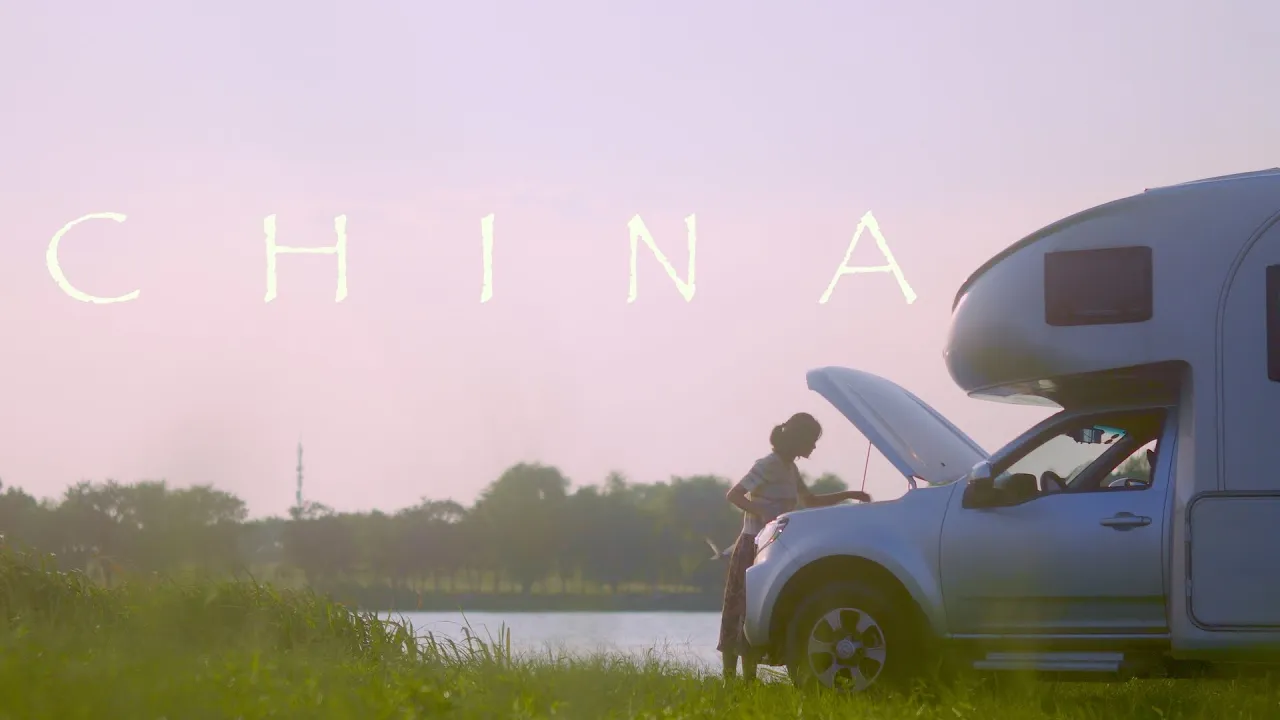
In 2023, Honglin Li sets out on a vanlife journey across China in search of a deeper connection with themselves and their homeland. The van becomes a home on wheels and a way to step away from the pace of city life. Honglin describes the emotional pull of wanting to feel rooted somewhere and the effect of experiencing the changing seasons more closely. The film follows a gradual shift from restlessness toward a quieter sense of peace and acceptance. Nature, open landscapes and the simple act of being present become important parts of that process. The trip includes challenges and unexpected turns, but Honglin presents them as part of learning and adapting while traveling. The story is less about a list of destinations than a personal reflection on home, freedom, self-discovery and the rhythms of nature.
Next travel video:

More about the current video:()

A home on wheels
In 2023, Honglin Li begins a vanlife journey across China, returning to their homeland while looking for a stronger sense of belonging. The trip is not only a road journey; it is also an attempt to find answers that city life had not provided. Honglin describes the pressures of modern life, including the push to achieve, sleepless nights and a feeling of being disconnected from something essential. Leaving that routine behind gives the van a double role as transport and as a refuge.
As the landscapes change, Honglin pays attention to the seasons and to the rhythms of the natural world. Slowing down becomes a way to notice small details and stay present. The film follows an emotional shift from restlessness toward more peace and acceptance. Being outdoors and reconnecting with the land contribute to that change, while the experience of traveling through a different cultural setting brings its own adjustments.
Finding a sense of belonging
The journey is not presented as effortless. Honglin faces uncertainty and unexpected turns while living on the road, but treats those challenges as chances to learn and adapt. The van becomes a symbol of freedom and a personal space away from anxieties of the past. Rather than presenting a checklist of attractions, the story stays close to how landscapes and changing seasons affect Honglin's feelings.
The film's central question is where a person can feel rooted and at home. Honglin reflects on the emotions that come with the changing seasons and the small joys of being outdoors. The narrative emphasizes self-discovery, resilience and a renewed connection with nature and one's roots. It is a personal account of vanlife in China, not a practical guide to routes or facilities. Viewers see the journey through Honglin's reflections and the scenery they encounter, and the story invites them to consider what kind of life would help them feel more connected and present.
FAQs (From the traveler's perspective)
- Q: Why did Honglin begin a vanlife journey?
- A: Honglin wanted to reconnect with their roots and find a deeper sense of belonging. The trip offered a way to step away from the pace of city life and spend more time in nature.
- Q: What does the van represent in the film?
- A: The van becomes both a home on wheels and a place of refuge from the pressures Honglin describes. It gives the journey a sense of freedom while they explore what home and belonging mean to them.
- Q: What changes during the journey?
- A: Honglin describes moving from restlessness toward greater peace and acceptance. Paying attention to nature and the changing seasons becomes part of that shift.