
Travel Guides & Tips in this video
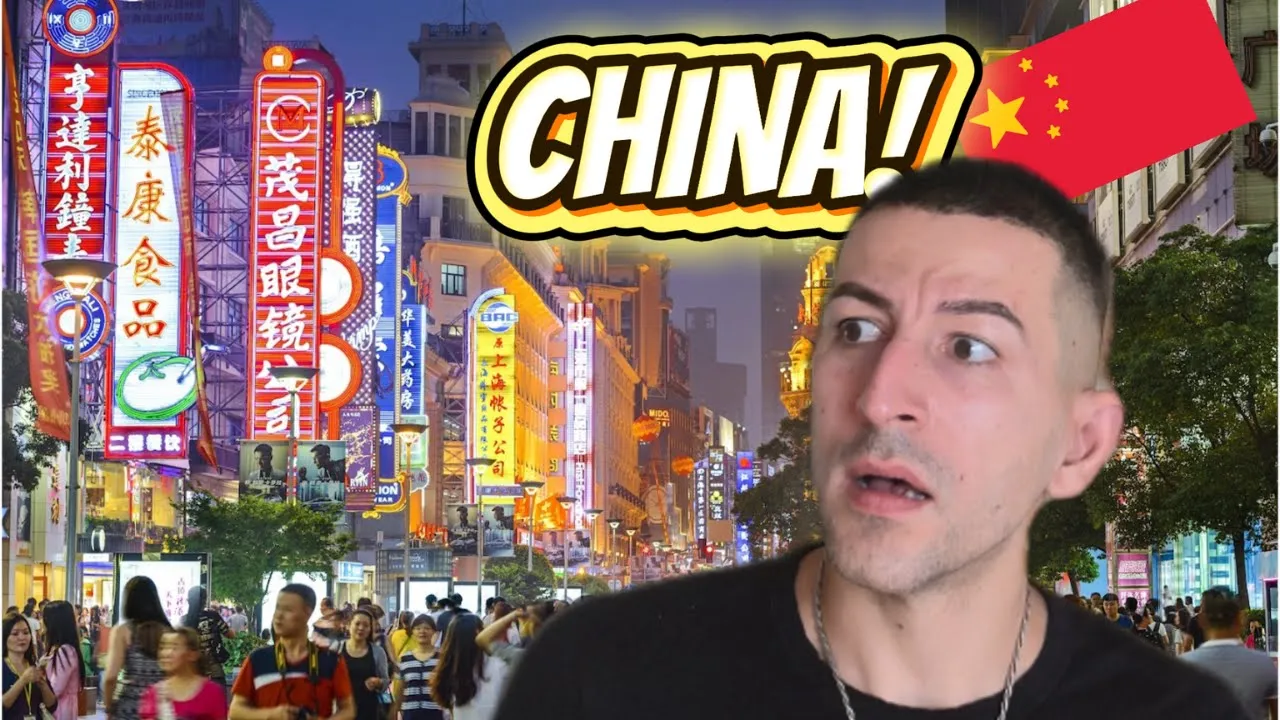
That Evan Guy explores Shanghai through its breakfast, architecture and history. He tries local buns with thin dough and juicy filling, then visits the French Concession, where European buildings sit beside modern apartments. He discusses the city's periods of foreign control and visits a monument to resistance against Japanese occupation. Cafes and restaurants are busy, and he praises local chains Manor Coffee and Luckin Coffee. On Nanjing Road, he sees global brands and commercial activity. His route links the city's food and historic sites with its present-day prosperity.
Next travel video:

More about the current video:()

Breakfast and the French Concession
That Evan Guy explores Shanghai through its food, streets and history. He contrasts Nanjing Road's commercial activity with quieter local neighborhoods, describing the city as clean and lively compared with New York. His food search leads to Shanghai breakfast buns. He says their dough is very thin and the juicy filling releases a burst of flavor, which he compares to a waterfall. The experience changes his view of buns. He likes the accompanying soup, though it does not match the bun for him.
In the French Concession, Evan sees European architecture alongside modern apartments. He compares the area with Paris and discusses the city's past under French, British, American and Japanese influence. He describes foreign powers extracting resources while local people faced hardship. He also says Chinese law did not apply in the former French area. The preserved buildings and newer development sit beside each other in the neighborhood.
Cafes, the resistance monument and Nanjing Road
Evan continues through busy cafes and restaurants. He mentions Manor Coffee and Luckin Coffee, saying he prefers their creamy drinks to Starbucks. He sees people eating out and enjoying local life, a contrast with the past he describes, when Chinese people left in search of better opportunities abroad.
At a monument to resistance against Japan, Evan discusses civilian suffering during the occupation. He connects the city's modern growth with the end of foreign interference and points to global brands, technology, jobs and prosperity as signs of change. On Nanjing Road he sees a busy commercial district and visible police presence. His route links breakfast, the French Concession, cafes, a resistance monument and Shanghai's modern streets, drawing his own contrast between the city's past and current economic strength.
Evan's account gives more detail about how he reads the city's past in its present streets. He describes Shanghai as having been exploited by foreign powers, with resources taken while residents experienced hardship. The history he discusses includes French, British, American and Japanese influence, and he connects the resistance monument with civilian suffering during the Japanese occupation. In his view, the city's growth after the mid-twentieth century marks a sharp change from that period. The commercial districts and popular coffee chains he visits are part of the prosperity he sees now. He compares Shanghai with New York, describing the former as orderly and economically strong, and treats its development as an example of China's wider economic rise.
FAQs (From the traveler's perspective)
- Q: What were the Shanghai breakfast buns like?
- A: The dough was incredibly thin, like a 'sexy girl wears in the summer,' and the filling was bursting with juice and flavor. They were a 10 out of 10, a truly magical food experience.
- Q: How did the French Concession compare to Paris?
- A: The French Concession felt more authentically Parisian than Paris itself, offering beautiful European architecture and a clean, pleasant atmosphere, free from the issues plaguing Paris.
- Q: What was the experience like trying local coffee chains?
- A: Local chains like Manor Coffee and Luckin Coffee are excellent, offering creamy and delicious coffee that could easily rival or even surpass Starbucks, questioning why Starbucks still exists.
- Q: What is the most significant transformation in Shanghai?
- A: Shanghai transformed from being under foreign control (French, British, American, Japanese) to a prosperous, modern city with abundant opportunities and a high quality of life, surpassing places like New York.
- Q: What historical struggles did Shanghai face?
- A: Shanghai endured periods of foreign control, exploitation, and brutal occupation by the Japanese, during which millions of civilians suffered. The city's current prosperity is a testament to overcoming these hardships.
