Original source
America CAN'T Keep Up with China’s RAPID development! (America failing)
Wuhan's Rapid Development: A Traveler's Unfiltered Experience
America CAN'T Keep Up with China’s rapid development! (America failing)
I came to Wuhan with the same ideas most people have.
Underdeveloped. Unsafe. Controlled.
That illusion didn’t survive even one day.
This video starts with street food and random moments… and slowly turns into something much...
I came to Wuhan with the same ideas most people have. Underdeveloped. Unsafe. Controlled. That illusion didn’t survive even one day. This video starts with street food and random moments… and slowly turns into something much bigger. Historic districts. Former foreign concessions. Wedding crowds. Night walks. A subway system that feels like it’s from the future. Neighborhoods that used to be farmland just 25 years ago—now filled with glass towers, trees, malls, cafés, families, and life. what you were told… doesn’t match what’s right in front of your eyes. This isn’t a highlight reel. It’s not scripted. It’s just me walking, eating, riding the subway, talking to locals, and reacting in real time as the story I grew up believing slowly falls apart. what Wuhan is actually like today how safe it feels walking at night what daily life looks like beyond headlines or why people who visit China often come back confused …this video is for you. Watch until the end — the scale of what you see keeps getting bigger, and there’s no way to capture it all in one frame. Sometimes the biggest shock isn’t what you see. It’s realizing how wrong you were told to be.
Prepare to have your perceptions shattered as Evan guy explores Wuhan, a city that defies common Western assumptions. This isn't a curated tour; it's an unfiltered journey through bustling street food scenes, historic foreign concessions, and vibrant night markets. Witness firsthand the city's futuristic subway, its rapid transformation from farmland to a modern metropolis, and the genuine warmth of its people. Evan's real-time reactions reveal a China far more dynamic and alive than often portrayed.
I came to Wuhan with the same ideas most people have. Underdeveloped. Unsafe. Controlled. That illusion didn’t survive even one day. This video starts with street food and random moments… and slowly turns into something much bigger. Historic districts. Former foreign concessions. Wedding crowds. Night walks. A subway system that feels like it’s from the future. Neighborhoods that used to be farmland just 25 years ago—now filled with glass towers, trees, malls, cafés, families, and life. what you were told… doesn’t match what’s right in front of your eyes. This isn’t a highlight reel. It’s not scripted. It’s just me walking, eating, riding the subway, talking to locals, and reacting in real time as the story I grew up believing slowly falls apart. what Wuhan is actually like today how safe it feels walking at night what daily life looks like beyond headlines or why people who visit China often come back confused …this video is for you. Watch until the end — the scale of what you see keeps getting bigger, and there’s no way to capture it all in one frame. Sometimes the biggest shock isn’t what you see. It’s realizing how wrong you were told to be.
That Evan Guy's journey through Wuhan challenges preconceived notions about the city, revealing a rapidly developing and vibrant metropolis. Initially, the traveler, like many Westerners, harbored beliefs of Wuhan being underdeveloped and unsafe, influenced by prevalent media narratives and political rhetoric. These perceptions quickly dissipate upon arrival, as the video showcases a city that defies these stereotypes.
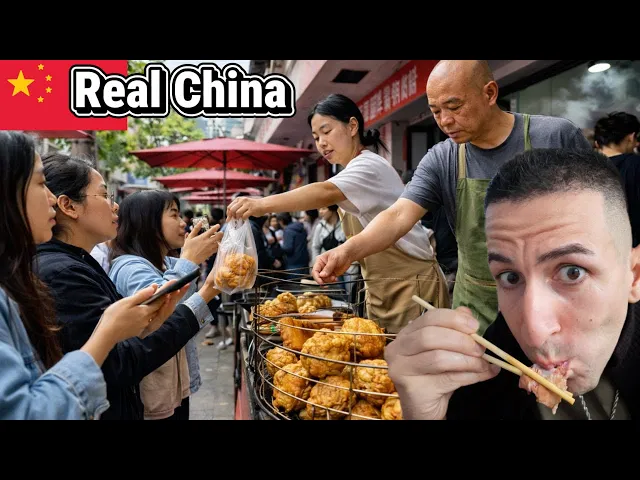
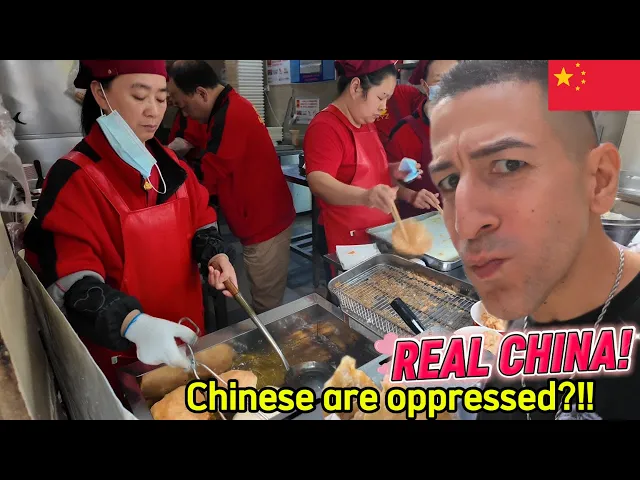
The exploration begins with an immersion into Wuhan's culinary scene, highlighting street food and local eateries. The traveler is particularly impressed by the unique texture and flavor of the noodles, noting their gelatinous, mung bean-based composition and the rich, savory broth. This authentic dining experience contrasts sharply with the traveler's expectations.
Wuhan's historical districts, especially the former French concession, reveal a layered past, with well-preserved European-style architecture. The sheer number of people visiting these sites for photos underscores the city's appeal and its ability to blend history with modern life. The traveler notes how well these historic areas are maintained by the Chinese, a testament to their preservation efforts.
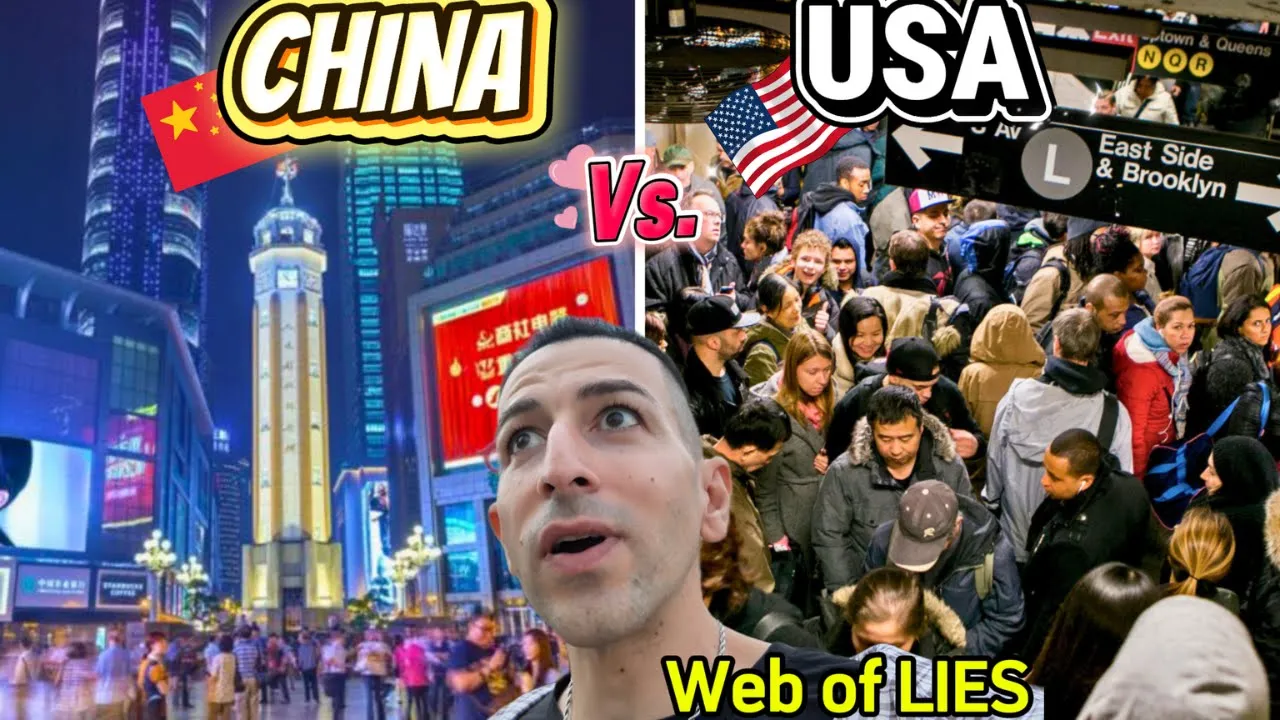
The video then pivots to showcase Wuhan's futuristic development, particularly its state-of-the-art subway system. Described as spotless and modern, it stands in stark contrast to the traveler's comparisons with New York City's transit. This infrastructural marvel, along with the transformation of former farmlands into modern high-rise districts, exemplifies the city's rapid modernization.
Interactions with locals, though brief, add a personal touch, with friendly individuals offering recommendations and engaging with the traveler. The traveler observes the general sense of safety, even when walking late at night, a stark contrast to perceived dangers in Western cities. This observation fuels a broader reflection on the differences in daily life and safety perceptions between China and the West.
The narrative also touches upon the perceived disconnect between Western media portrayals of China and the reality experienced on the ground. The traveler expresses surprise at the efficiency and modernity of services like public restrooms and the overall cleanliness and orderliness of the city. The video subtly critiques the political motivations behind negative portrayals of China, suggesting a deliberate effort to damage the country's reputation.
Ultimately, That Evan Guy's experience in Wuhan serves as a powerful counter-narrative, demonstrating a city that is not only developing at an astonishing pace but is also safe, clean, and full of life. The journey challenges the viewer, much like it challenged the traveler, to question the information they receive and to see the reality for themselves.
That Evan Guy's trip to Wuhan shatters Western stereotypes, revealing a city of rapid development and vibrant life. From exploring historic European concessions to marveling at a futuristic subway system, the traveler experiences a stark contrast to preconceived notions of underdevelopment and danger. Authentic street food, well-preserved architecture, and modern infrastructure paint a picture of a city that defies its reputation, leaving the traveler to question the narratives they grew up with.
A traveler's eye-opening journey through Wuhan, China, challenges stereotypes with its rapid development, modern infrastructure, and vibrant street life, revealing a surprisingly safe and dynamic city.
Wuhan's Rapid Development: A Traveler's Unfiltered Look at Modern China
2:06 Explore Wuhan's former foreign concessions, like the French concession, to see well-preserved European-style architecture and understand the city's historical foreign influence.
4:52 Seek out very old shops in historic districts for the best authentic food experiences, often offering delicious and traditional dishes.
6:10 When in historic districts, always try to find the super old shops for the best food; they are often operating for a long time and serve authentic flavors.
8:07 Try local street coffee vendors for a unique experience, even if they are pricier than chain options, to taste authentic local brews.
9:33 Utilize Wuhan's efficient and modern subway system for easy and clean transportation, often requiring a mobile payment scan to enter.
12:14 Public restrooms in China are generally clean and safe, so travelers don't need to worry about safety when using them in public spaces.
14:19 Explore neighborhoods that were farmland just 25 years ago to witness the incredible pace of modern development, characterized by futuristic glass towers and high-rise buildings.
22:00 Even in residential districts far from tourist areas, you can find large, lively malls with diverse shops, food courts, and cafes, indicating a high quality of local life.
25:07 When visiting local eateries recommended by residents, be adventurous and try their specialties, such as pork intestine dishes with flavorful noodles and sauces.
0:00 Introduction to Wuhan's development
2:01 Historic district exploration
2:06 Former French concession visit
4:52 Traditional food stall experience
9:53 Wuhan's modern subway system
14:19 Modern architecture and city views
14:54 Transformation from farmland to city
22:00 Residential district mall exploration
25:07 Local restaurant specialty dish
What were the noodles like?
They weren't wheat-based, possibly mung bean or tofu, with a gelatinous, chewy texture perfect for slurping and coated in savory black sauce.
What was surprising about the subway?
It was spotless, all white, and incredibly modern, unlike what I expected and certainly cleaner than New York City's subway.
How safe does Wuhan feel at night?
It feels very safe; you can walk around at 2 or 3 AM without worrying, unlike in some Western cities where you'd be concerned about safety.
What's the biggest shock about Wuhan?
The biggest shock is realizing how wrong the information we're told about China, and specifically Wuhan, actually is.
What are the malls like in residential areas?
They are large, lively, and have multiple floors with food courts, cafes, and various shops, indicating a vibrant local life even away from business districts.