Travel Guides & Tips in this video
Mike Okay travels into the mountains of central China to find an abandoned cave village. The trip includes a motorbike ride on a narrow road and a local family's meal of rice and tofu. A woman helps arrange transport and guide him down slippery, rain-soaked stairs to the cave, where houses sit beneath a cliff and a waterfall falls nearby. The village was listed as a historical building in Lichuan in 2004 and was home to the Tuja people, who left for city work more than 20 years ago. Mike camps under a dry cave roof, hears a local story about a curse and Chinese zombie ghosts, and sees bats in the cave ceiling. He reflects on the former community's self-sufficient life and the site's future.
Next travel video:
More about the current video:()
Finding the cave village
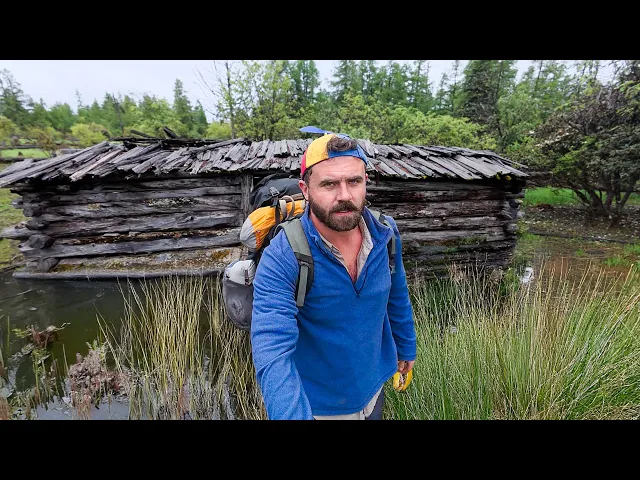
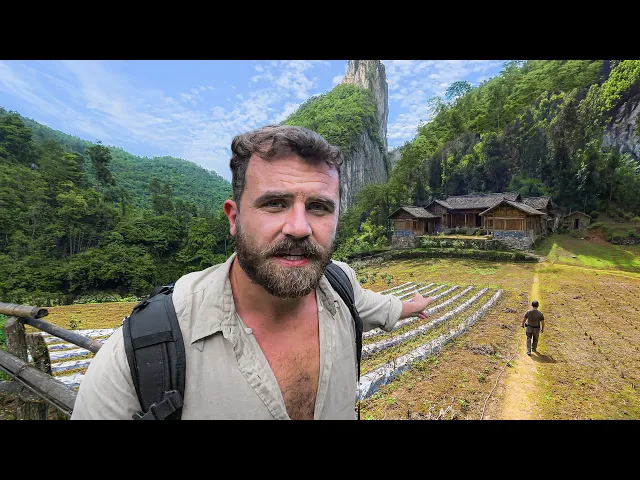
Mike Okay travels into the mountains of central China to find a long-abandoned cave village. He says the drive is a chance to clear his head after facing espionage accusations on earlier travels. Along the way, a local child carrying a butterfly knife asks for a photo, while another boy uses a translation watch to communicate. Mike has no exact location for the cave at first and runs into bus-ticket confusion before riding a motorbike up a single-lane mountain road.
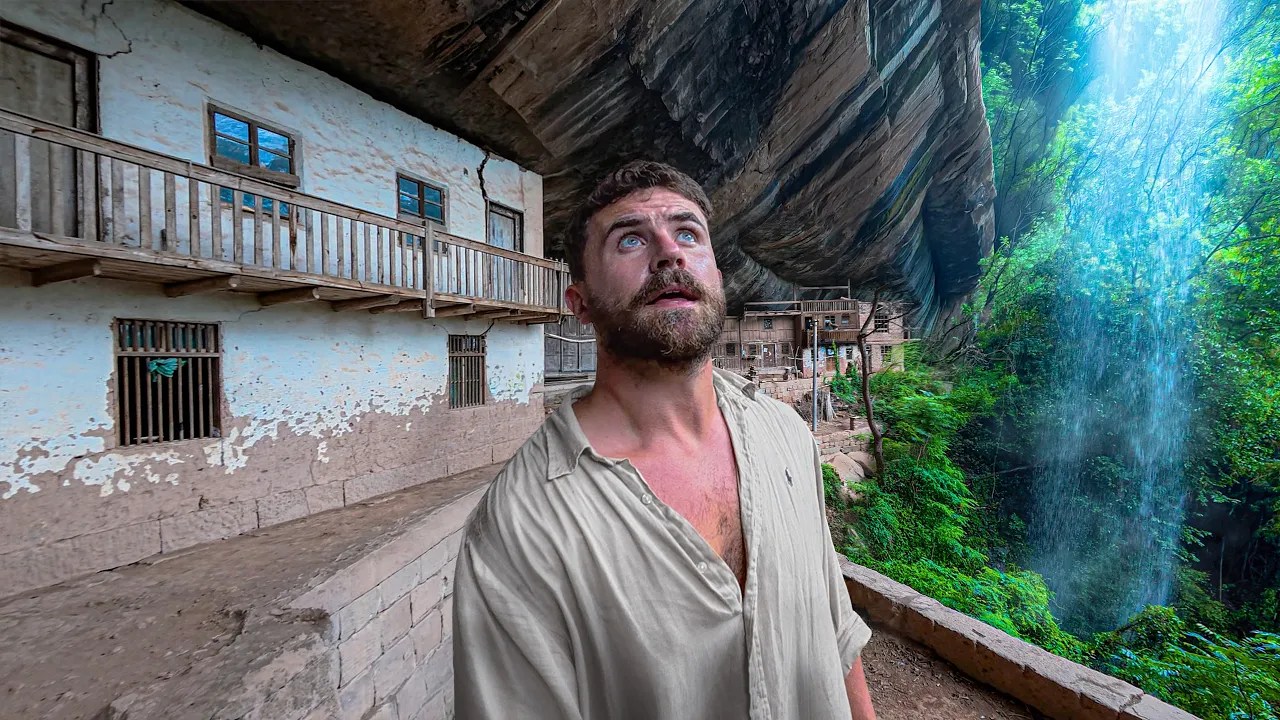
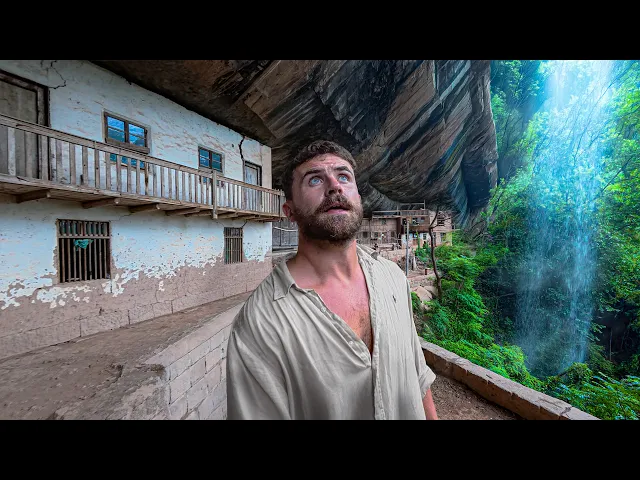
A local family cooks him rice and tofu, and a woman helps arrange a ride to the trail. Rain has made the stairs slippery. Mike loses his lighter and phone during the descent, but reaches a large cave where a waterfall falls from the cliff above a cluster of stone houses. The view surprises him. He describes the cave as one of the wildest sights he has seen.
Camping and the Tuja village history
The village was listed as a historical building in Lichuan in 2004. A local explains that the Tuja people lived there for generations and left more than 20 years ago to find work in cities. The cave community once included about 40 to 50 people who lived there for generations, raising pigs and growing vegetables in plots around the houses. They depended on the surrounding land for daily life and were largely self-sufficient. Mike reflects on how modern work and services made isolated living less practical.
Mike sets up his tent beneath a dry part of the cave roof. An older man tells a local story about a curse involving Chinese zombie ghosts at midnight. Bats roost on the cave ceiling, and Mike looks up possible concerns about bat guano fungus while trying not to disturb them. He eats a meal and has a drink to calm his nerves. The night is frightening, but he wakes to the cave and mountain view and is glad to have experienced the place. Mike sleeps poorly under the bats but wakes to the cave and mountain view, grateful to have experienced the remote place. He wonders whether the abandoned village could become a tourist attraction in the future.
FAQs (From the traveler's perspective)
- Q: Why did they leave and is there a curse?
- A: The Tuja villagers left for work in cities more than 20 years ago. A local man tells Mike a story about a curse involving Chinese zombie ghosts at midnight.
- Q: Do bats bite or have rabies?
- A: Mike says he does not know. He looks up concerns about bat guano fungus and tries to avoid exposure to droppings while camping beneath the bats.
- Q: Who lived here before?
- A: The Tuja people lived in the cave village for generations. The source describes them as an ethnic minority with more than 10 million members, concentrated in this part of China.
- Q: How did you manage to sleep in the cave?
- A: Mike puts his tent under the dry cave roof, eats a good meal and has a drink to calm his nerves. He says the bats and the ghost story made the night scary, but the experience stayed with him.