Travel Guides & Tips in this video
Mike Okay leaves Shangri-La city on foot in search of his own idea of Shangri-La, moving through remote villages and mountain scenery. Friendly locals offer rides, but he initially prefers to walk. Along the way, he discovers a cactus in the forest, enters a Tibetan area, shares tea and alcohol with residents, and receives food and drink. Rain and difficult terrain make the trek harder, and he worries about where to stay. The route includes a lake, wild horses, and a hunter's cabin before a demanding climb. Mike reflects that the place he sought may be less important than the state of mind and human connection he found along the way.
Next travel video:
More about the current video:()
Leaving the city and meeting people
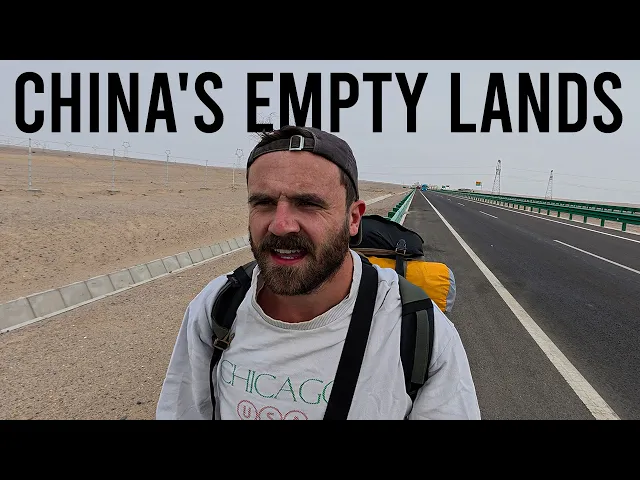
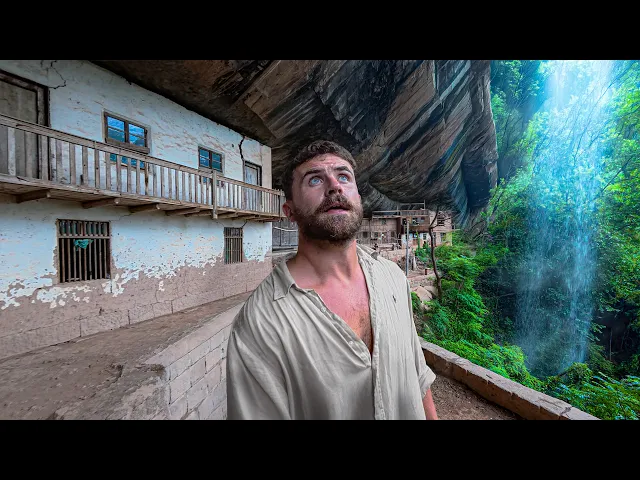
Mike Okay sets out from Shangri-La city to look for his own version of Shangri-La, hoping to find peace away from the commercialized center. He chooses to walk rather than accept several rides offered by friendly locals. The decision makes the trip longer but gives him more opportunities to meet people and see the rural landscape. Along the way he spots a cactus growing in a forest, an unexpected sight that stays with him. As he enters a Tibetan area, he shares tea with local people and accepts food and drink. The encounters include Tibetans, Han Chinese, and Muslims, and show hospitality through small conversations and shared meals.
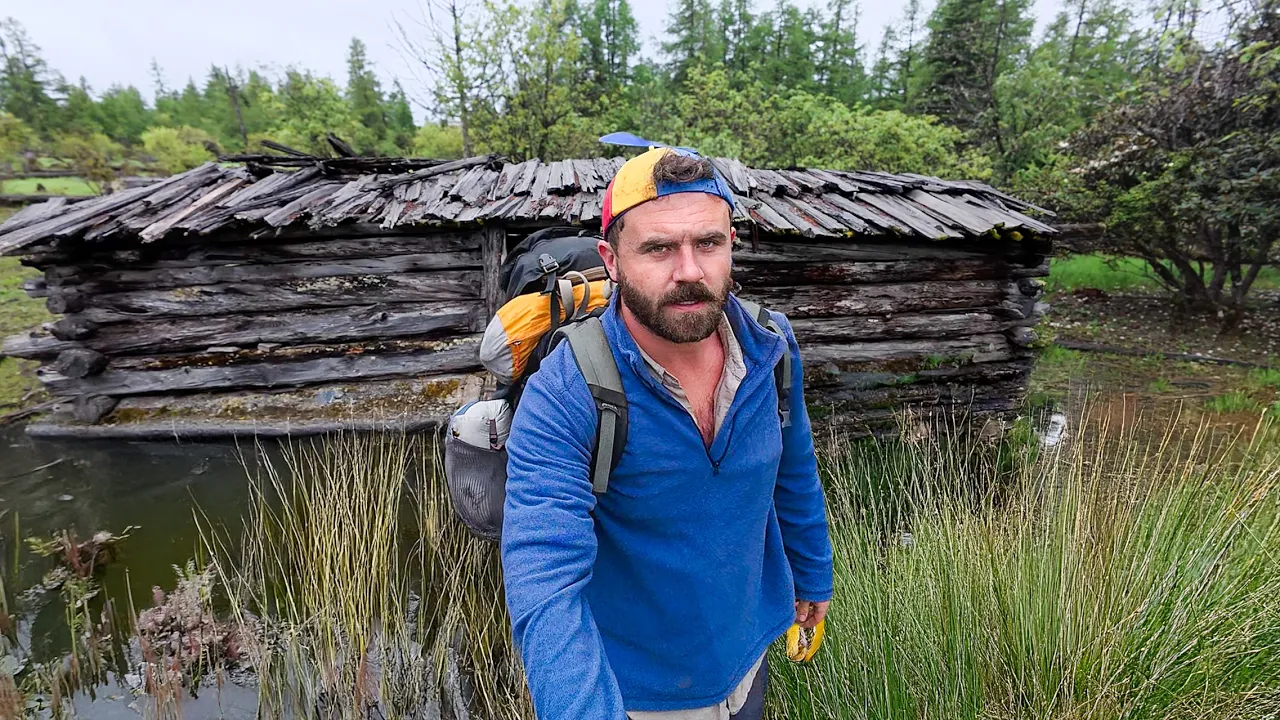
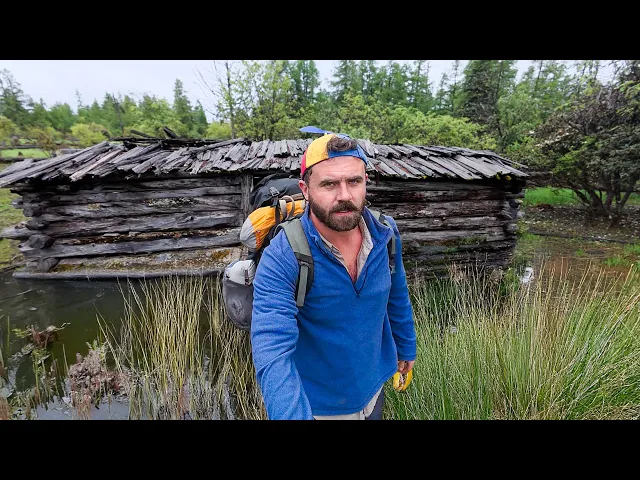
The journey has practical difficulties as well. Weather turns rainy, terrain becomes challenging, and Mike has to think about where to sleep. He considers camping and a hunter's cabin and has to manage the remoteness of the route. A lake and wild horses appear along the trek.
A difficult climb and a changing idea of Shangri-La
Mike continues toward the lake and faces a difficult climb, especially with a heavy backpack and a hangover after sharing alcohol with an older man. He describes the ascent as a major challenge. The trip's unexpected changes, including the ride offers, tea, weather, and cabin, make it different from a conventional sightseeing itinerary. Mike's focus shifts from finding a perfect destination to the experience of walking, meeting people, and adapting to what happens.
He does not claim to have found Shangri-La as a specific place. Instead, he suggests it may be a state of being, and that the trek is a start toward understanding it. His reflections connect the physical challenge with self-discovery and time in nature. The route also yields practical lessons: allow enough time, carry food and water, consider weather and safety when camping, and keep transport alternatives in mind. The video ends with a view of the lake and an account of the journey's progress, emphasizing human connection and the rewards of going beyond the city's visitor areas.
FAQs (From the traveler's perspective)
- Q: What was the most challenging part of Mike's trek?
- A: He identifies the climb to 13,000 feet as the hardest part, especially while carrying a heavy backpack and dealing with a hangover. The ascent came after a long walk through remote terrain.
- Q: What encounter stood out to him?
- A: Sharing alcohol with an older man was a memorable encounter. It became a lively night and an example of the unexpected hospitality Mike experienced while walking through rural areas.
- Q: Did Mike find his Shangri-La?
- A: Not as a particular place. He reflects that Shangri-La may be more of a state of being, and describes the trek as a good start toward finding that feeling through nature and connection.
- Q: What advice does the video give for a similar trek?
- A: Be prepared for surprises, accept that challenges may change the plan, and enjoy the journey. The source also recommends planning for weather, water, food, safety, and transport in remote areas.
- Q: What surprised Mike on the walk?
- A: He was surprised to find a cactus in the middle of a Chinese forest. It was an unexpected discovery during his walk away from Shangri-La city.