Travel Guides & Tips in this video
Mike Okay sets out to hitchhike about 2,000 km through China's remote Tibetan regions, travelling across Xinjiang and Qinghai toward Golog after being denied access to Central Tibet. He carries printed Chinese letters to introduce himself and meet drivers. Two Hui Muslim truck drivers, Majer and Chiento, share meals of sheep ribs and tell him about their community. When Mike is stranded at a toll station, workers offer a sofa, food, and a heater. In Dawu, a town described as 90% Tibetan, he visits a monastery, meets monks, and sees prayer flags. He explains the flags' five-element symbolism and reflects on impermanence.
Next travel video:

More about the current video:()
Hitchhiking across Xinjiang and Qinghai
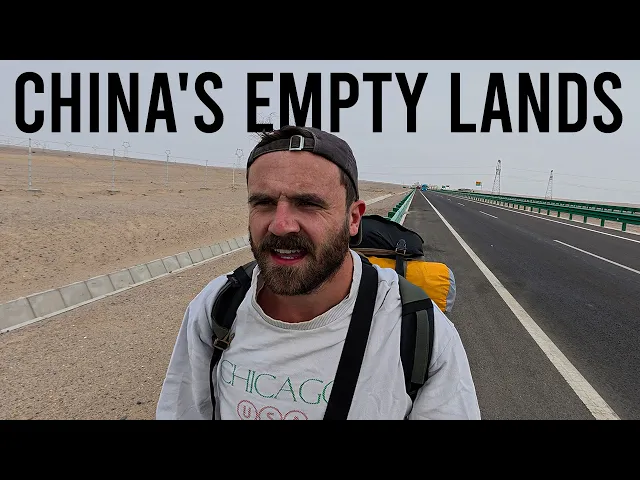
Mike Okay sets out on an unconventional journey toward the Tibetan regions of Golog, hoping to meet people and experience local culture outside the usual tourist route. After he is denied access to Central Tibet, he decides to hitchhike about 2,000 km across Xinjiang and Qinghai. He prints letters in Chinese that introduce himself, explain his background, and say where he is travelling. The letters help break the ice with truck drivers and toll-station staff, and make communication easier when they do not share a language.
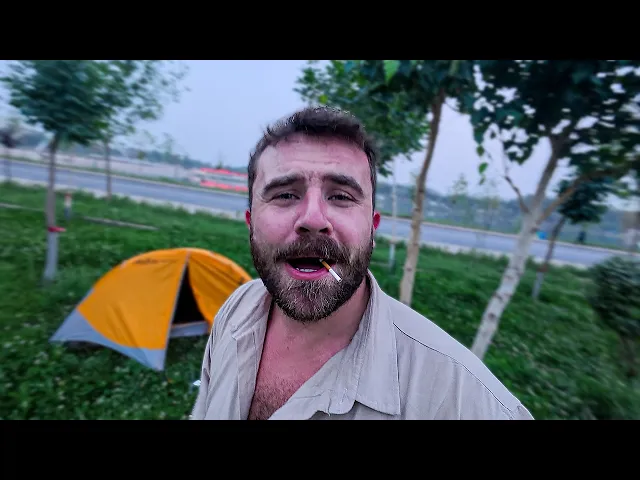
The journey is challenging. Mike deals with uncertainty, a stomach illness overnight, and the scale of the distances. When he becomes stranded at a toll station and asks if he can camp nearby, staff offer him a place to sleep on their sofa, along with food and a heater. He is surprised by their hospitality and says the experience contributes to his feeling of safety while travelling.
Hui Muslim hospitality and Tibetan culture
Mike meets two Hui Muslim truck drivers, Majer and Chiento. They share a meal of sheep ribs at a Muslim restaurant and explain that the Hui are ethnically Han Chinese and Muslim. Mike finds the combination of Chinese and Islamic culture interesting and appreciates the generosity of the drivers.
In Dawu, a town in Golog that the video describes as 90% Tibetan, Mike visits a monastery, meets monks, sees prayer wheels, and climbs a hill to look at prayer flags. He explains that the flags' five colors represent the elements and discusses how their fading reflects Buddhist ideas about impermanence. The weathered flags prompt him to reflect on the temporary nature of life. The trip is not focused on comfort; it is about uncertain travel, conversations, shared meals, and cultural encounters. Mike's account follows the kindness of people he meets and closes with a thoughtful look at the fading colors of the flags.
FAQs (From the traveler's perspective)
- Q: What was it like sleeping at the toll station?
- A: Mike says the workers let him sleep on their sofa and provided food and a heater after he asked whether he could camp nearby. He describes their welcome as an act of kindness.
- Q: Who are the Hui Muslims Mike meets?
- A: The truck drivers explain that the Hui are ethnically Han Chinese and Muslim. Mike shares sheep ribs with them and describes their welcome as generous.
- Q: Why does Mike carry printed letters in Chinese?
- A: The letters introduce him, explain his background and destination, and help him communicate with drivers and toll-station staff when language is a barrier.