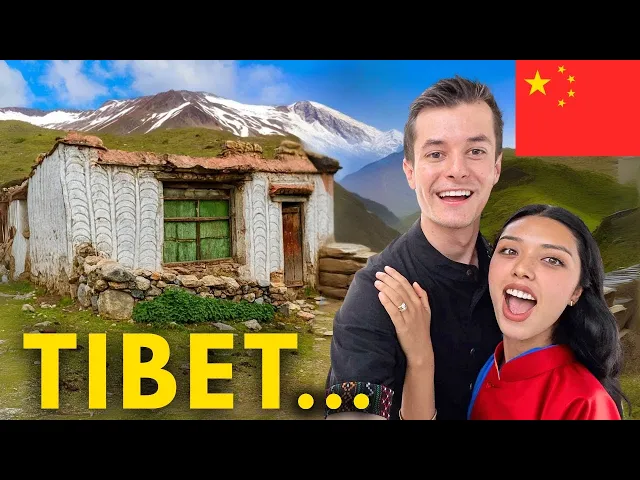
More about the current video:(Published on 2025-08-13)

Jack and Sophia Torr's journey into Tibet's spiritual capital, Lhasa, was a profound exploration of culture, spirituality, and personal resilience. The initial days were marked by a significant challenge: severe altitude sickness. Sophia fainted, experiencing a terrifying bout of consciousness loss, followed by intense physical discomfort for both of them. This starkly highlighted the extreme altitude of Lhasa, even for those who had previously acclimatized to high altitudes like Everest Base Camp. They learned a crucial lesson: the importance of gradual acclimatization, recommending travel by train from mainland China to Lhasa to allow the body to adjust slowly.
Despite the physical toll, their exploration of Lhasa was rich with unique experiences. They visited the iconic Potala Palace, the former winter residence of the Dalai Lama. Navigating the immense crowds and the sheer scale of the palace was awe-inspiring. Inside, they marveled at the stupas and tombs, gaining insights into Tibetan Buddhism and the pilgrims' deep devotion. A particularly insightful moment for Jack was understanding the nuanced nature of prayer among advanced practitioners, who, unlike beginners, no longer pray to Buddha but embody enlightenment itself.
The Torr's also immersed themselves in local life, observing the vibrant community spaces in Lhasa's parks. They were impressed by the active use of these public areas by locals of all ages, a stark contrast to parks in some Western countries. This observation, coupled with the impeccable cleanliness of public facilities like restrooms, underscored a different approach to public infrastructure and community engagement in China.
A unique cultural encounter was witnessing the monks' debates at Sera Monastery. This practice, central to their learning and hierarchy, offered a glimpse into their intellectual and spiritual discipline. The debates, ranging from calm discussions to fiery exchanges, revealed the monks' dedication to their studies and their path to higher spiritual ranking. They also experienced local services, like a thorough shoe cleaning, which showcased local craftsmanship and entrepreneurial spirit, even leading to a friendly negotiation over the price.
Throughout their journey, Jack and Sophia were accompanied by local guides who provided invaluable cultural context. Their experience with altitude sickness served as a potent reminder of the physical demands of high-altitude travel, emphasizing the need for preparation and respect for the environment. Their adventure in Tibet was not just about sightseeing but about confronting challenges, understanding a deeply spiritual culture, and appreciating the local way of life.