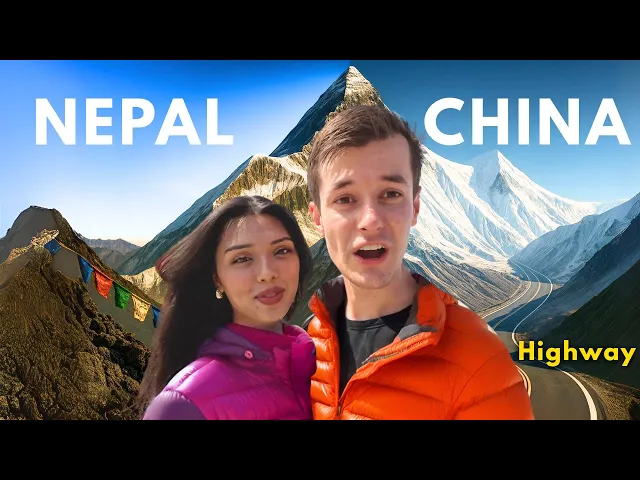
Mount Everest isn’t just in Nepal? We couldn’t believe it either… but here’s the shocking truth nobody talks about. When we crossed over to the Tibetan side of Everest, the story was completely different no crowds, no base camp chaos, but also a reminder of politics, control, and the way travel stories are told. Most people only know Everest from Nepal’s side, but China has their own base camp, rules, and narrative. This isn’t just about mountains – it’s about borders, history, and who really gets to “own” the world’s tallest peak. We went deep to find out what’s real, what’s hidden, and why nobody tells you this side of the story. Watch until the end – it might change how you think about Mount Everest forever.
Jack and Sophia Torr explore China's side of Mount Everest, experiencing its stunning beauty and unique culture via an impressive highway. They highlight local interactions and technological aids for communication.
Travel Guides & Tips in this video
Embark on an incredible journey with Jack and Sophia Torr as they explore the Chinese side of Mount Everest! Witness the breathtaking Tibetan landscape, marvel at China's impressive infrastructure along the Friendship Highway, and experience the unique culture. Discover environmental efforts, encounter honest locals, and see how technology bridges language gaps. This is not just a trip to Everest; it's an exploration of a different side of the world's tallest peak, filled with stunning views and unforgettable moments.
Next travel video:
China's Mount Everest: A Different Perspective on the World's Tallest Peak
Mount Everest isn’t just in Nepal? We couldn’t believe it either… but here’s the shocking truth nobody talks about. When we crossed over to the Tibetan side of Everest, the story was completely different no crowds, no base camp chaos, but also a reminder of politics, control, and the way travel...
China's Everest Base Camp: Friendship Highway & Tibetan Views
Embark on an extraordinary journey to Mount Everest's Chinese side, revealing a starkly different experience from its Nepalese counterpart. Discover a world of fewer crowds and a unique narrative shaped by politics and control. This expedition delves into the hidden stories of the world's tallest peak, challenging perceptions and exploring the complex relationship between borders, history, and ownership. Prepare to have your understanding of Everest transformed.
Attractions in this video: Mount Everest, Everest Base Camp, Friendship Highway, Tibetan Monastery
More about the current video:(Published on 2025-08-30)
Jack and Sophia Torr embark on an extraordinary journey to Everest Base Camp, not from the familiar Nepalese side, but through the less-traveled Tibetan region of China. This adventure highlights a stark contrast to the usual Everest experience, offering a unique perspective on the world's tallest peak. The journey itself is a testament to China's remarkable infrastructure, with an 8-hour drive along the G318, also known as the Friendship Highway, leading directly to the base camp.
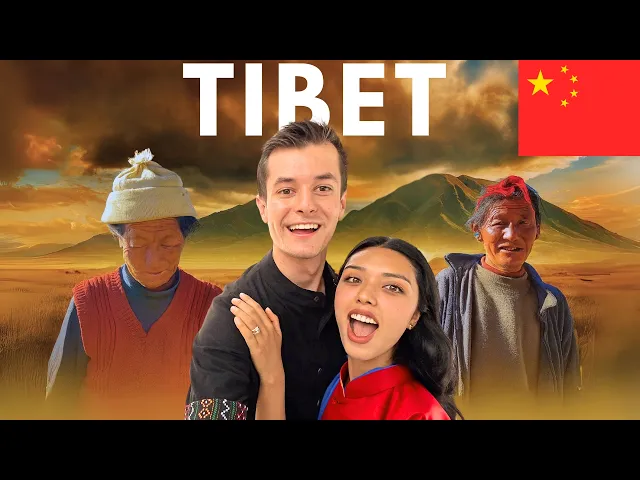
Along the way, the Torr's encounter various aspects of Tibetan life and Chinese development. They observe environmental initiatives, such as tree planting to combat desertification and dust storms, showcasing a government effort to preserve the fragile ecosystem. The drive is punctuated by stops, offering glimpses into local life, from roadside vendors selling snacks like sausages and Snickers to the development of small towns that seem to be replacing traditional nomadic settlements. These towns, while equipped with modern amenities like mechanic shops and convenience stores, appear sparsely populated, hinting at a rapid modernization that might be altering traditional lifestyles.
One particularly touching moment is the encounter with an honest vendor who corrects a pricing mistake, a gesture of integrity that the travelers deeply appreciate, contrasting it with less scrupulous experiences elsewhere. The Torr's also showcase the Time Kettle translation device, a piece of technology that bridges language barriers, enabling meaningful conversations with locals and even Sophia's father, who speaks limited English. This technology is presented as a game-changer for cross-cultural communication.
The journey also involves reaching a point higher than Everest Base Camp itself, a staggering 5,248 meters, where the thin air makes breathing a challenge. They witness stunning views, including ancient fossils that spark discussions about geological history and global floods. The visibility of Mount Everest from the Tibetan side is described as unparalleled, offering a clear, unobstructed view of the majestic peak, a sight often missed from the Nepalese side, even from base camp.
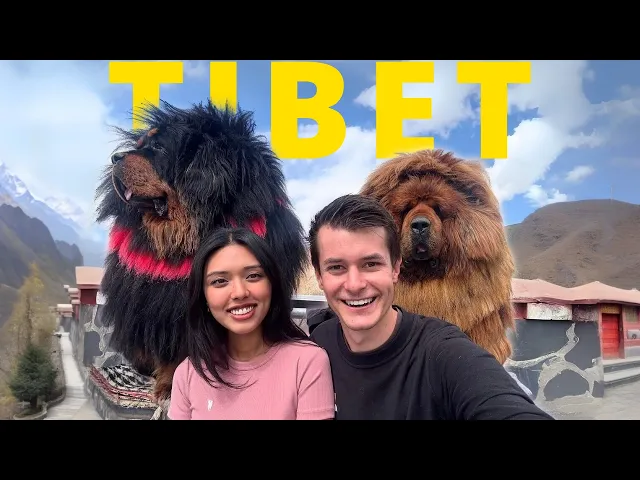
Upon reaching Everest Base Camp on the Chinese side, the Torr's find a well-developed tourist area with amenities like hot water, oxygen, and comfortable yak tents. They also visit the world's highest monastery, a serene spot with yaks grazing nearby. Despite the breathtaking scenery and the achievement of reaching the base camp, the travelers acknowledge the effects of altitude sickness, experiencing headaches and fatigue. The video concludes with the promise of a future journey crossing the border from China to Nepal, offering yet another perspective on the Everest region.
FAQs (From the traveler's perspective)
Q: What is the difference between Everest Base Camp in Nepal and China?
A: In Nepal, you typically hike for days to reach base camp. In China (Tibet), there's a road allowing you to drive directly there, with more developed tourist facilities.
Q: Is it difficult to breathe at Everest Base Camp?
A: Yes, the altitude is very high, over 5,000 meters. Many people experience altitude sickness, headaches, and difficulty breathing, even when just driving up.
Q: What kind of food can you find on the way to Everest Base Camp?
A: You can find local snacks like sausages and Snickers from roadside vendors, and enjoy meals at Chinese restaurants with translated menus. Hearty soups and fried rice are common.
Q: How does the Time Kettle translator work?
A: The Time Kettle uses advanced AI for accurate, near real-time translation with noise reduction, making conversations between people speaking different languages much easier.
Q: What is the Friendship Highway?
A: The G318 highway is called the Friendship Highway because it connects Shanghai all the way to Lhasa and then crosses the border into Nepal, symbolizing friendship between China and Nepal.
Q: Can you see Mount Everest clearly from the Tibetan side?
A: Yes, from the Tibetan side, Mount Everest is often visible in its full glory, with clear views of the peak, which is not always the case from the Nepalese side, even from base camp.
Q: What are the living conditions like for nomads in Tibet?
A: Some nomads live in traditional yak wool tents, staying for months at a time. They have basic amenities for cooking and living, moving seasonally to avoid harsh winters.