Travel Guides & Tips in this video
- Tip 1Consider hiring a local guide or friend to help you explore and understand the city better, especially if you don't speak the local dialect. (1:08)
- Tip 2Learn about the unique Hakka language, a fascinating blend of Mandarin and Cantonese, which offers a distinct cultural insight. (2:35)
- Tip 3Visit a traditional Hakka marriage store to understand local customs and the items involved in Chinese weddings. (3:55)
- Tip 4Explore the old quarters of cities like Meizhou to experience authentic local life, a mix of traditional shops and daily activities. (5:35)
- Tip 5Embrace local entrepreneurship by observing unique business models, like selling both snacks and practical goods such as plumbing supplies. (8:17)
- Tip 6Visit local museums, such as the Hakka Museum, to gain a deeper understanding of the region's history, culture, and people. (11:50)
- Tip 7Support local artisans by purchasing handmade crafts, like the traditional bowls, which offer a unique souvenir and connection to the culture. (17:12)
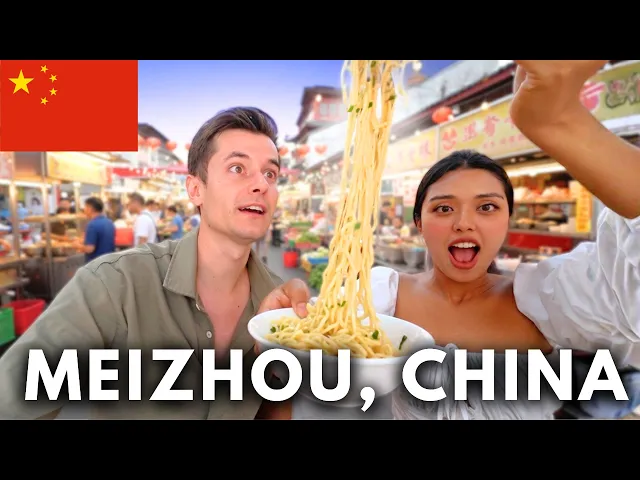
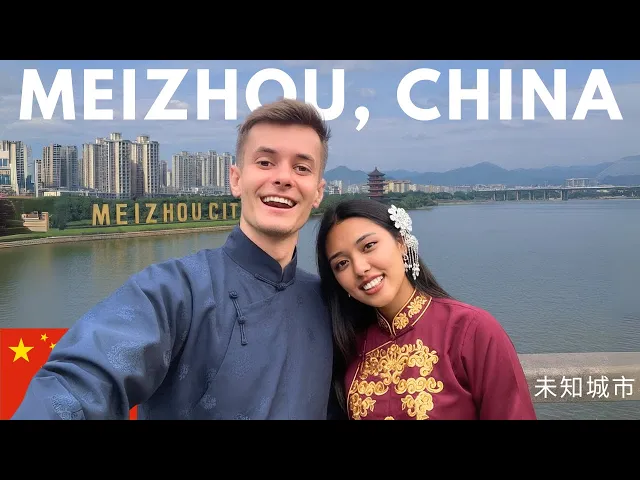
Embark on an unforgettable journey with Jack and Sophia Torr to Meizhou, a hidden gem in Guangdong often bypassed by travelers. Discover the profound Hakka culture, from ancient towns and unique marriage traditions to the intriguing Hakka language. Witness local entrepreneurship, sample unique snacks, and explore the Hakka Museum to understand their rich history and global migration. Meizhou offers an authentic glimpse into China's soul, far from the usual tourist trails.
Next travel video: ( 2 / 7 )
More about the current video:( 1 / 7 )

This video takes viewers on an immersive journey into Meizhou, a lesser-known city in China's Guangdong province, often overlooked by mainstream tourism. Jack and Sophia Torr explore this "fourth tier" city, delving into its rich Hakka culture and history. They begin their adventure in the ancient city, marveling at local shops selling traditional items and flags, noting the peaceful atmosphere compared to bustling metropolises like Shenzhen or Guangzhou. A fascinating aspect highlighted is the unique Hakka language, a blend of Mandarin and Cantonese, which surprises the travelers. They encounter a "marriage store," a unique establishment dedicated to wedding essentials, and learn about the tradition of gifting chickens for weddings. The exploration continues through the old quarter, revealing a vibrant mix of shops, from bubble tea stalls to hardware stores, showcasing authentic local life. One particularly memorable encounter is with an entrepreneur who ingeniously sells both snacks and plumbing supplies, embodying a spirit of resourcefulness. The travelers also sample a unique dessert, described as having a jelly-like texture with a soap-like aroma but a sweet taste. The Hakka Museum provides deeper insights into the Hakka people's history, migration patterns across Asia, and their cultural traditions, including architectural influences reminiscent of Balinese and Nepalese styles. The significance of Meizhou as the largest centralized Hakka population area is emphasized. The journey highlights the Hakka people's global diaspora, explaining the presence of Chinese influence in Southeast Asian countries. The couple also discovers handmade bowls, appreciating the craftsmanship and value. The experience underscores Meizhou's appeal as an authentic destination, offering a glimpse into traditions and local interactions rarely found in more tourist-heavy cities.
FAQs (From the traveler's perspective)
- Q: What is the Hakka language like?
- A: It's a fascinating mix between Mandarin and Cantonese, with some unique words thrown in.
- Q: What's unique about the marriage stores in Meizhou?
- A: They sell everything needed for traditional Hakka weddings, and gifting chickens is a custom.
- Q: What was the most surprising entrepreneurial spirit seen?
- A: A lady selling snacks also sold plumbing gear, showing great resourcefulness when one business is slow.
- Q: What did the cherry cake-like dessert taste like?
- A: It had a thick jelly texture that smelled like soap but tasted sweet and amazing.
- Q: What is the significance of Meizhou regarding Hakka people?
- A: It's the largest centralized area of Hakka people and where the most authentic Hakka language is spoken.
- Q: What architectural influences were noted at the Hakka Museum?
- A: The beams reminded us of Balinese architecture, and there were vibes of Nepalese architecture with lotus flowers.
- Q: What was a favorite part of learning about Hakka history?
- A: Seeing how Hakka leaders migrated overseas, explaining the Chinese influence in countries like Malaysia and Indonesia.
- Q: Were the handmade bowls a good purchase?
- A: Yes, they were handmade for about $14, which felt like a great price for such unique items.