Travel Guides & Tips in this video
- Tip 1Walk slowly through tight alleys to feel the scale of these villages and observe how daily life is woven into every corner. (4:22)
- Tip 2Try street snacks as a gateway to understanding local culture; expect bold flavors and off-menu finds. (9:14)
- Tip 3Order a variety of dishes with curiosity; small portions can reveal big differences in texture and technique. (14:38)
- Tip 4Note the social fabric: shops, schools, deliveries, and families coexisting in a compact space; consider how redevelopment will transform this ecosystem. (21:08)
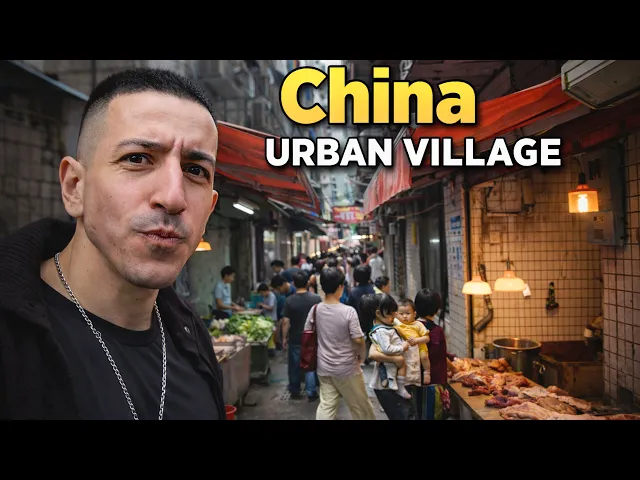
That Evans Guy takes us on a raw, immersive walk through Shenzhen’s underbelly of urban transformation, where 40 years of rapid growth exploded from farming plots into a concrete, yarn-spun city. The video dives into Buji, an urban village where housing and shops are stacked cheek to jowl, built by migrants who moved from distant provinces chasing opportunity. It’s loud, crowded, and wonderfully chaotic—an improvised ecosystem where every alley hides a mini market, a noodle stall, a hair salon, or a family home doubling as a shop. Along the way, Evan reflects on how these villages are being demolished or reworked into high-rise districts, highlighting the human cost and resilience behind the skyline’s gleam. The chef’s kiss moments arrive in small, intimate experiences: a supremely crunchy pig ear dish bathed in a zingy sauce, silky soy milk that defies expectations, and the sensory overload of textures and flavors that make food a bond between strangers. The narrative reframes “authen
More about the current video:( 36 / 36 )

In this eye-opening walk through Shenzhen, the traveler begins by reflecting on the astonishing growth from a fishing village to a hyper-modern city in just four decades. He heads to Buji’s urban village, a place where farms have become stacked homes and a maze of shops, markets, and services is tucked between narrow alleys and wires. The village is chaotic but alive, with people cooking, selling, and living in multi-use buildings. He tries local snacks, notably pig ears and a very memorable soy milk, and notes the absence of sunlight in many dwellings and the constant push toward demolition as property values rise. The experience feels tactile and human: the hustle of vendors, the laughter of workers, and the tactile joy of textures in the food. Throughout, the video questions the stereotype that true local life must be harsh, offering instead sensory moments—coffee runs, casual conversations, and the warmth of a welcoming food stall—that reveal Shenzhen’s complex, resilient identity. Evan, the traveler, is the thread that ties scenes together, sharing curiosity and a taste for authentic moments, while a quick bus ride and a failed Luckin coffee misadventure add humor and realism. The piece ends with a sense of impermanence and possibility, as the village and its people stand at the edge of redevelopment, yet continue to sustain a city that’s constantly reimagining itself.
FAQs (From the traveler's perspective)
- Q: What’s special about Shenzhen’s urban villages?
- A: They are dense, multi-use neighborhoods born from rapid urban growth where farming land gave way to stacked homes and shops; they show a human-centered side of a city under redevelopment.