Travel Guides & Tips in this video
In this final China travel diary, editor Hugh Abroad trades Beijing's gray skies for a steaming bowl of soy milk and youtiao before heading to the submerged Great Wall at Panjiakou. He navigates language barriers with apps, splurges on a 10-out-of-10 breakfast for $2, and answers burning questions about China's food, tech, and squat toilets. Expect honest takes on spitting culture, mind-blowing high-speed rail, and why he'd happily return for more.
More about the current video:()

Breakfast and the submerged wall
Hugh Abroad begins his final China travel diary in Beijing with breakfast at an underground local restaurant. He orders sweet soy milk, youtiao, a meat pie and a pork-and-green-bean bun. The meal costs 15 yuan. He gives the combination of soy milk and youtiao a 10 out of 10, but does not enjoy the meat pie.
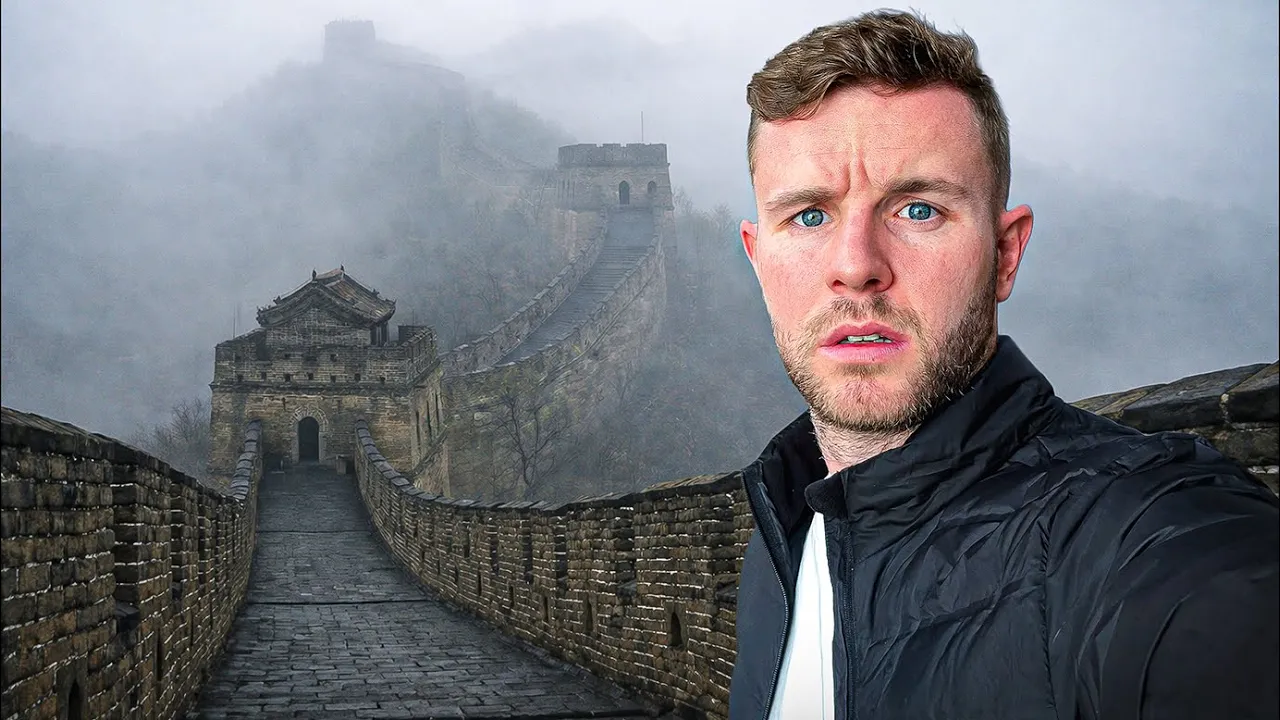
He books a Gaode taxi to the Panjiakou section of the Great Wall for about 170 yuan and makes an arrangement with the driver to wait for the return trip. The ride takes two hours. Under thick clouds, Hugh walks through a small town, passing grilled fish and sunflower seeds before paying for entry to the wall. He sees steep steps, a lake and a zip line. This Ming Dynasty section was partly submerged after a dam was built in the 1970s. Hugh stands on restored stone and sees a crumbling watchtower nearby; he says that around 10 percent of the Great Wall has been restored.
Hugh's travel questions
While sitting on the wall, Hugh answers questions about the places and experiences he has encountered in China. His favorite food is Chongqing xiaomian, spicy and numbing noodles that cost about £1.50 a bowl; Chengdu dandan noodles are second. He names the lack of Google Maps as his biggest challenge and says he switched to Dianping, where searches need to be in Chinese. Chengdu is his favorite city, while crickets or grasshoppers from a Hangzhou night market are the strangest food he tried; he rates them 10 out of 10.
Hugh says Beijing was the friendliest city, recalling conversations with locals at red lights and in restaurants. He talks about communicating through basic Chinese, pointing, Google Lens and ChatGPT voice translation. He was impressed by QR-code payments and high-speed rail, and compares a business-class train from Lijiang to Chengdu favorably with Japan's rail. He estimates local meals at $2–$3, a Beijing airport metro ride at 3 yuan, and central accommodation at an average of $50 a night.
He also discusses public spitting and squat toilets as surprises, and describes China's range of megacities, deserts, mountains and Hainan beaches. He says he did not feel overcrowded in Shanghai or Chongqing. On visas, he mentions his UK two-year multiple-entry visa, which cost £160 and allows 90-day stays, and China's 240-hour transit visa. He says people accepted his filming and often took pictures, even though they could not understand his English commentary. He returns to Beijing, thanks viewers and previews a new country the following week. The Panjiakou visit gives Hugh a look at a section of the wall where water has covered part of the structure since the dam was built in the 1970s. He walks up steep steps beside the lake and sees the zip line, restored stone and an unrepaired watchtower. His route includes the taxi ride from Beijing and a stop in the nearby town before he reaches the ticket booth. The driver waits for him during the visit, which matters because the remote area has no taxis available for a return trip.
His answers range across food, transport and daily life. He describes Chongqing xiaomian as spicy and numbing and names Chengdu dandan noodles as his runner-up. Dianping becomes his alternative after he cannot use Google Maps, though he must search in Chinese. He calls Chengdu modern, clean and friendly and talks about local conversations in Beijing. He also explains how he communicates with gestures and translation apps and how QR payments work at shops and vending machines. His comments on high-speed rail, meals, metro fares and central accommodation compare experiences from different stops on his travels.
Hugh discusses surprises that may not appear in a sightseeing itinerary: public spitting, squat toilets, varied landscapes, changing food between cities and whether crowds felt overwhelming. He shares his visa experience, including its term, cost and permitted stay, and comments on the 240-hour transit option. He ends the journey back in Beijing and says he will travel to a new country the following week.
FAQs (From the traveler's perspective)
- Q: What was your favorite food in China?
- A: Chongqing xiaomian noodles—spicy, numbing, and only about £1.50 a bowl.
- Q: What was the biggest challenge traveling China?
- A: No Google Maps. I had to switch to a Chinese app called Dianping, which requires searching in Chinese.
- Q: What is the weirdest thing you ate in China?
- A: Crickets or grasshoppers at a night market in Hangzhou. They were garlicky and spicy—actually scored them 10 out of 10.
- Q: Is China as high-tech as it looks online?
- A: Yes, even more so. The QR-code payment system is everywhere—scan, pay, done. And the high-speed rail is better than Japan's.
- Q: How do you communicate with locals when you don't speak Chinese?
- A: Pointing, Google Lens to translate menus, and ChatGPT's voice translation to speak out loud in any language.
- Q: What shocked you most about China in a good or bad way?
- A: Good: the country's diversity—deserts, mountains, beaches. Bad: the spitting culture on clean streets and metro floors.