
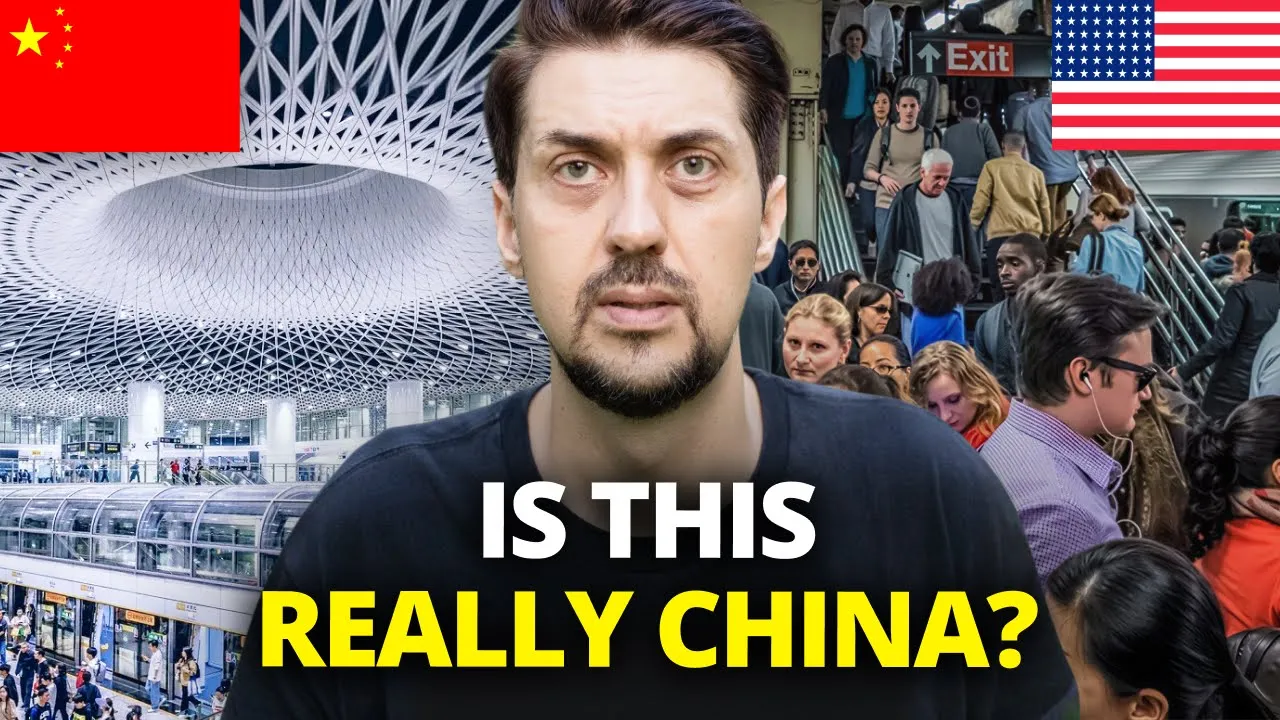
Travel Guides & Tips in this video
Max Chernov explores Shenzhen through robotics, driverless transport and automated services. He visits Hudo Robotics, sees robots use elevators, rides the metro and a driverless car, and orders coffee from a street robot and by drone. He tests an electric vehicle with a refrigerator and heating, encounters facial-recognition entry and takes a high-speed train. The video also features an American expat and a city viewpoint. The tour continues through several everyday examples: a delivery robot calls and uses an elevator, while a metro ride includes temperature-controlled cars and a separate business-class coach. Max tests a driverless car and describes its steady ride and safety sensors, then orders coffee from a street robot and watches a drone deliver another coffee. He also looks at an electric car with a refrigerator and heating compartment, and sees facial recognition used to enter a building. The video later shows smart bikes unlocked by phone, fast construction and a hotel with facial-recognition entry and smart-room controls. A high-speed train segment covers 130 kilometres in 29 minutes. At the end, Max visits a high viewpoint and rides a fast elevator, reflecting on how Shenzhen developed from a fishing village into a technology centre. An American expatriate offers a perspective on how delivery robots interact with buildings and how personal-space norms may affect their adoption in the United States. The itinerary connects these individual demonstrations with transport, manufacturing and daily services rather than treating technology as a single attraction.
Next travel video:
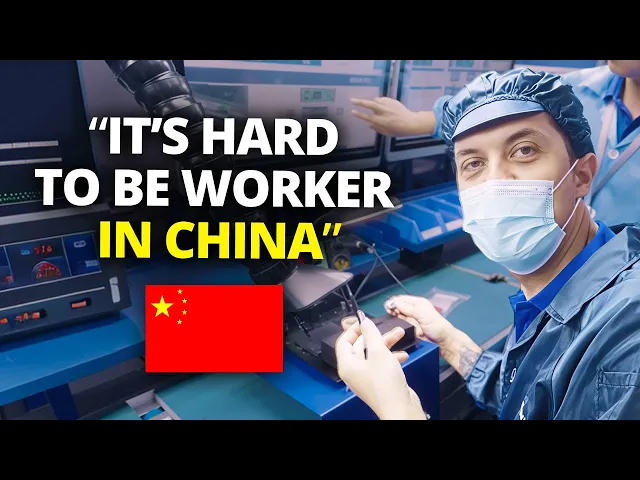
More about the current video:()
Robots, delivery and Shenzhen transport
Max Chernov explores Shenzhen with help from local companies and expats. At Hudo Robotics, a company founded in 2016, he sees hotel-delivery robots and watches one operate an elevator. He tests a machine's strength and dexterity and discusses how Western countries obtain this kind of technology. Josh, an MIT graduate and former Apple engineer, explains how delivery robots move through buildings and use elevators. He suggests that expectations around personal space could affect how easily people in the United States accept these services.
The tour continues on Shenzhen's metro. Max sees cars with different temperature zones and a business-class coach reached through a passage he compares with an Apple Store. The group notes that WeChat can be used for payment. He also encounters a police robot and rides a driverless train. Another driverless vehicle moves cautiously and smoothly; Max describes its sensors and safety features, and says it travels more slowly than a traditional taxi. The conversation considers the social effects of automation and the government's long-term plans for AI.
Automated services, cars and the city
Max orders coffee from a street robot and later watches a drone deliver coffee. He also visits a Xiaomi store and examines a Nissan electric vehicle with a refrigerator and heating compartment. They discuss its equipment and price compared with Western models, and show that it can park itself. Other stops include a facial-recognition building entrance and smart bikes unlocked with a phone.
The video discusses manufacturing in Guangdong, including electronics, solar panels and EV batteries, and shows new apartment buildings going up quickly. Shenzhen's technology demonstrations sit alongside parks and green spaces. Max later visits a hotel where facial recognition is used for entry and room controls. A high-speed train covers 130 kilometres in 29 minutes. At the end, he visits a high viewpoint and rides a fast elevator, looking over the dense city and its vertical development.
The stops cover different uses of technology in ordinary settings: hotel deliveries, metro travel, coffee orders, building entry, cycling and driving. Josh describes how a delivery robot can reach a customer's floor by operating an elevator, while Max sees how autonomous vehicles navigate roads. The car ride feels stable to him, but the cautious pace is slower than a regular taxi. At Hudo Robotics, staff demonstrate how machines can lift and manipulate objects, and Max is surprised by their strength.
The public transport scenes include metro cars with separate temperature settings and the business-class coach. WeChat payment is part of the travel routine, while the driverless train and the high-speed rail segment show two different rail systems. The high-speed train's 130-kilometre trip takes 29 minutes. Shenzhen's parks and the quick rise of apartment blocks give context to the city's dense urban environment.
The team also talks about how China's manufacturing capacity supports electronics, solar panels and electric vehicle batteries, with Guangdong playing a central role. A Nissan model combines electric driving with a refrigerator and heating compartment, and its self-parking feature is demonstrated. Max compares the price and equipment with vehicles in Western markets. At the hotel, facial recognition and smart-room controls are another example of technology used in the city.
Max's visit links these demonstrations to Shenzhen's growth from a fishing village into a technology hub. He reflects on the companies, infrastructure and government support behind that development, and on the way products can be tried in public settings. The final view from above and the quick elevator ride complete a route that moves from robotics and transit to buildings and the wider city.
FAQs (From the traveler's perspective)
- Q: Are robots in China strong enough to potentially harm someone?
- A: Yes, the robots demonstrated have significant strength, with one suggesting it could possibly break an arm.
- Q: Do Americans buy robots from China?
- A: Reports suggest that American companies need to buy robots from China, implying a lack of domestic production.
- Q: Would delivery robots work in America?
- A: It's questioned whether they would work in America due to cultural differences in personal space and acceptance of automation.
- Q: What is the advantage of China's manufacturing?
- A: China has an advantage due to starting late and building with the latest infrastructure, leading in global manufacturing for electronics, EVs, and more.
- Q: How does payment work in China?
- A: Digital payments like WeChat are dominant; physical cash is rarely seen except for specific traditions like red envelopes during holidays.
- Q: What is the experience like in a driverless car?
- A: It's a smooth, calm, and stable ride, offering a sense of safety due to its cautious driving and advanced sensors.
- Q: Are Chinese electric cars competitive?
- A: Yes, Chinese EVs offer luxury features, advanced technology, and excellent service at prices significantly lower than comparable Western models.
- Q: What makes Shenzhen so advanced?
- A: Shenzhen has rapidly transformed into a tech hub with advanced robotics, autonomous vehicles, efficient public transport, and widespread digital integration.
- Q: What is the speed of Shenzhen's high-speed trains?
- A: High-speed trains can travel 130 km in just 29 minutes, offering a faster and smoother experience than planes or cars.
- Q: What is unique about Shenzhen's hotels?
- A: Hotels often feature advanced technology like facial recognition for entry and smart room controls, with surprisingly affordable rates.
