Travel Guides & Tips in this video
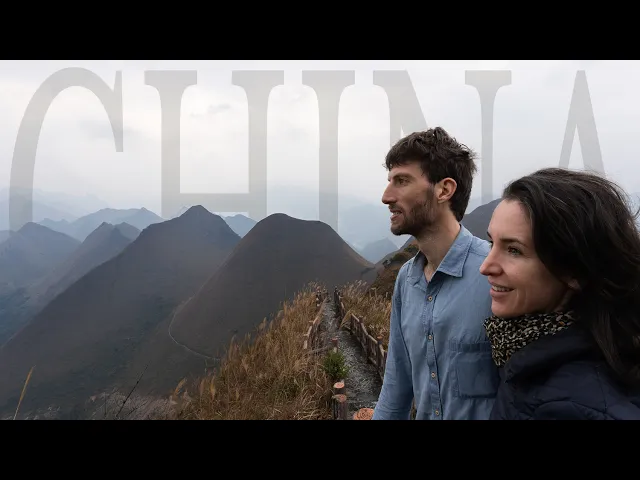
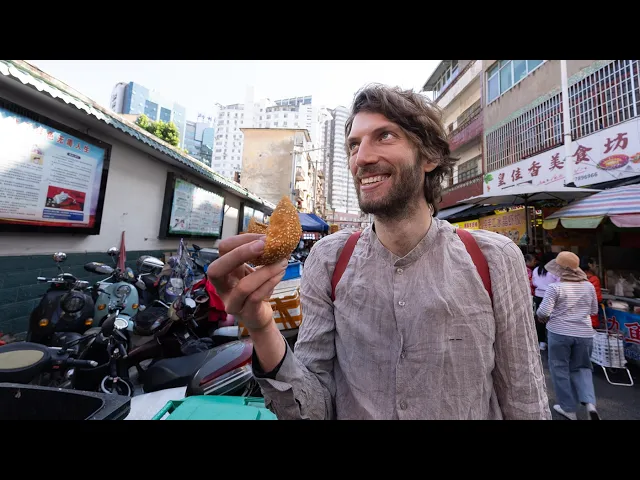
Niki Proshin sets out to show a side of China that rarely appears online, trading the crowded metropolises for the quiet, culturally rich landscapes of Guangxi. She starts in Guin City, wandering a local morning market where unfamiliar fruits and life in a non touristy space reveal a pulse of everyday food and routine. The day unfolds with eye opening scenes: a pig leg torched over fire, bright frogs, strong rice alcohol, and a bamboo chicken dish from a Yao family that hints at the region’s appetite for smoky, herbal flavors. Niki’s curiosity is rewarded with intimate moments, like learning how Yao women carry their hair as a living symbol of identity, a tradition both beautiful and demanding. Her questions about curated experiences versus authentic culture linger as she continues north into the Li Rice Terraces, where the landscape itself becomes a teacher. A second hotel night brings a rising sense of wonder as she captures drone footage that reveals the vast, carved patterns of the
More about the current video:(Published on 2026-01-16)

Niki Proshin begins by explaining how China’s popular image often focuses on big cities, but she wants to uncover places in Guangxi that stay off the radar. She visits Guin City and a local Han Morning Market, where she samples August melon, noodles, and regional breakfast habits. She then travels to the Li Rice Terraces, stays in the terraced hills, and tries bamboo chicken and beer fish prepared by the local Yao family. A standout moment is meeting Panhon, a Yao woman who keeps her hair as a living tradition and even monetizes it through hair care products. The journey continues to the Don villages, where oil tea and a communal lunch with rice wine reveal a rich, ceremonial culture, including a ritual of sharing and ear rubbing to honor guests. The narrative muses on the balance between authentic cultural experiences and curated tourism, concluding that the community’s resilience and tradition feel genuine as long as the people stay true to themselves. After a night above the rice terraces and a drone flight that offers new perspectives, Niki reflects on how group travel changes her usual pace and how Yangshuo’s scenic commotion contrasts with the stillness she seeks. The trip, intimate and cinematic, leaves her with a deeper appreciation for Guangxi’s minority cultures and landscapes, and a realization that some of China’s most memorable moments come from communities that live a little off the typical tourist trail. Niki signs off with a sense of awe at the Don people’s hospitality and the region’s quiet, majestic beauty, while acknowledging the country’s multi layered identity beyond the usual city hype.