Travel Guides & Tips in this video
In Shanghai, Sonny Side takes on a $1,000 seafood challenge that moves from affordable dishes to premium live seafood. The tour begins with braised eel and a squirrel-shaped mandarin fish served with a sweet, ketchup-like sauce. At Crab King Garden, he samples crab body meat, roe and head fat, mixing the parts with rice and vinegar. A high-end restaurant displays live seafood, including Norwegian king crabs and Australian red lobster, while the tasting includes raw spotted Canadian prawns at $50 each. The final meal at Michelin-starred Tai Zhou includes yellow croaker and a large mantis prawn. Sonny weighs the experience against the prices and focuses on preparation, sourcing, texture and value. The final stop is a Michelin-starred Tai Zhou kitchen, where Sonny tastes yellow croaker and a large mantis prawn. He compares dish integrity and balance as well as cost, including lobster served with lily alongside simpler seafood. Across the day, he follows how ingredients are sourced, how cooks prepare each dish and how texture changes with technique. The challenge begins with eel and fish, moves through crab and live seafood, and ends with premium catches. The host’s conclusion is that not every item earns its price, but the tasting provides an unusual look at Shanghai’s seafood scene and the choices behind high-end dining.
Next travel video:

More about the current video:()

From affordable seafood to Crab King Garden
Sonny Side takes on a Shanghai seafood challenge that moves from lower-cost meals to luxury dishes. The day starts with braised eel and a squirrel-shaped mandarin fish at a mid-range restaurant. The chef turns the fish into a crisp, lacquered shell, served with a sweet sauce that Sonny compares to ketchup. The tasting gives him a chance to compare creative preparation and flavor before the next stop.
At Crab King Garden, he watches crabs being taken apart and prepared. About 40 crabs are broken into sections, and he samples body meat, roe and head fat. He combines the different parts with rice and a little vinegar, describing how the mixture brings the textures together. The crab meal shows how a mid-priced seafood stop can still feel rich and carefully prepared.
Live tanks and the most expensive courses
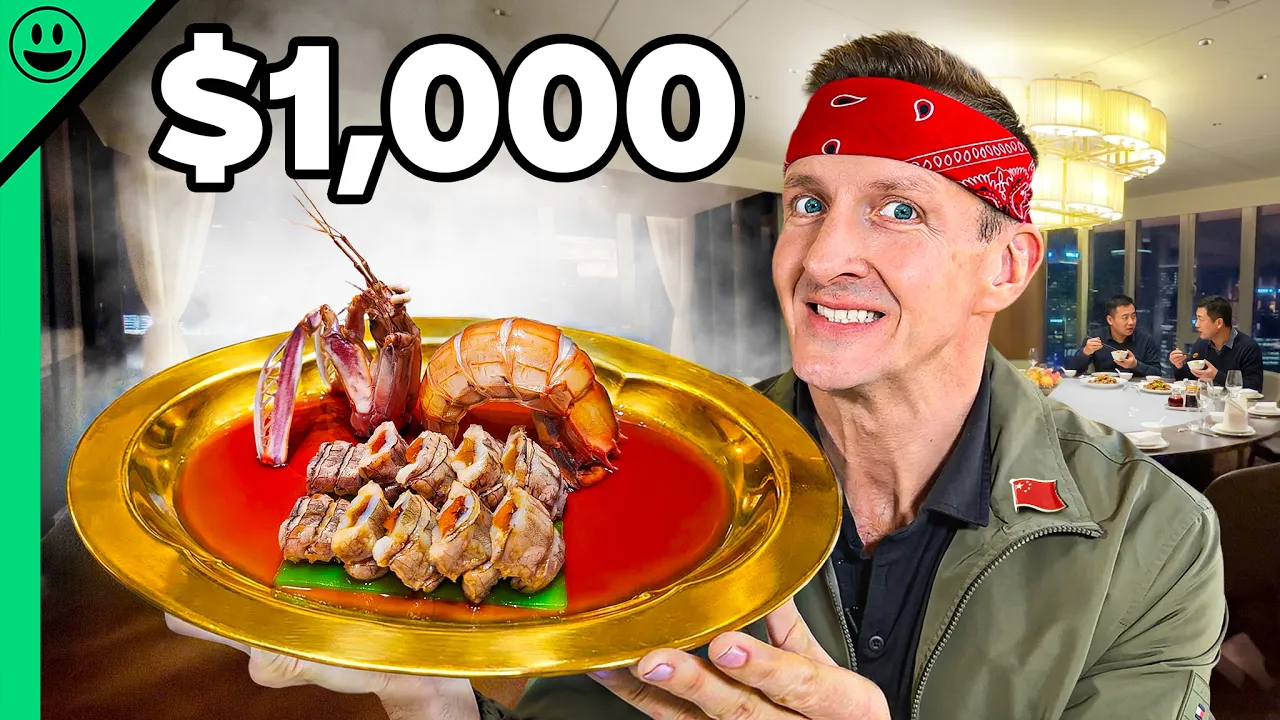
The next restaurant has aquariums and a private room where visitors can see live seafood before ordering. The menu includes Norwegian king crabs and Australian red lobster, with provenance treated as part of the presentation. Sonny tries raw spotted Canadian prawns that cost about $50 each. A lobster tail is prepared in a dragon-like shape and stir-fried; the cooking needs to preserve texture without overcooking it.
The final stop is a Michelin-starred Tai Zhou kitchen, where the meal includes yellow croaker and a very large mantis prawn. Sonny compares the dishes by price, taste and technique rather than assuming that the most expensive item is best. The show follows a progression from accessible eel and fish to crab, live prawns and luxury shellfish.
The challenge is about more than spending: it offers a look at sourcing, preparation and presentation across different restaurants. Sonny reflects that not every dish is worth its price, but the day provides learning and unusual experiences. The tasting notes emphasize dish integrity and balance, including lobster with lily compared with simpler seafood. His reactions and humor carry the tour from the first market-style meal to the final courses.
FAQs (From the traveler's perspective)
- Q: Is the Shanghai seafood day worth the price?
- A: The host concludes that not every bite is worth its sticker price, but the day offers unusual experiences and a chance to learn about sourcing, technique and presentation in Shanghai’s seafood scene. He compares budget dishes with premium catches rather than treating price alone as a measure of quality.
- Q: What did the host try at the luxury live-seafood restaurant?
- A: He sees aquariums and premium options such as Norwegian king crabs and Australian red lobster. One standout is raw spotted Canadian prawns priced at $50 each, alongside a lobster-tail stir-fry.
- Q: How was the lobster prepared?
- A: The lobster is portioned, lightly battered and stir-fried with attention to texture so it is not overcooked. Sonny also compares the lobster with lily to simpler seafood, considering balance and dish integrity.