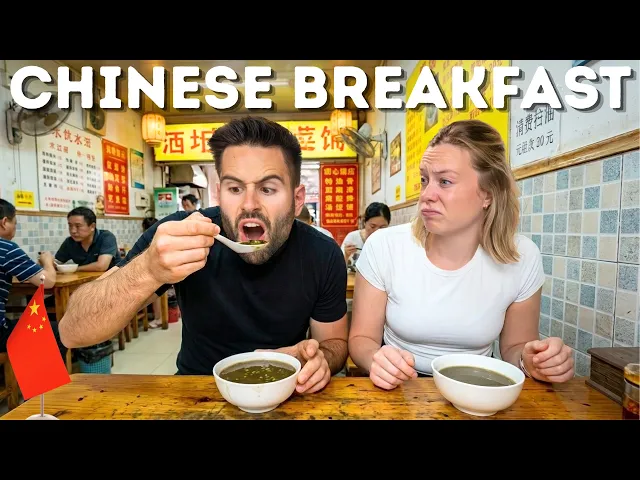
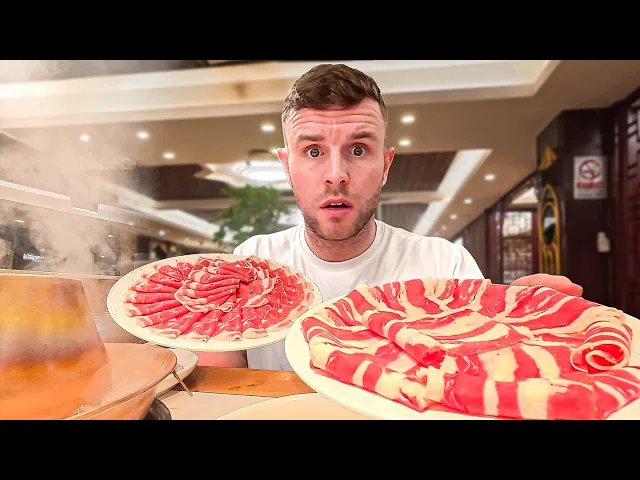
What do people eat for breakfast in China? This is the question we want to answer and to do so, we contacted a local in Beijing who is going to take us around Beijing, China and show us just that. People around the world love Chinese food or at least a version of it like General Tao, Kung Pao Chicken and other more or less authentic dishes. But what does actual Chinese food taste like in China and is there any differences for breakfast time? Our little food adventure in Beijing really took us on a roller coaster of new flavors. We went from restaurants with generation old recipes to street food vendors serving hundreds of people every morning to even a man secretly operating his little food business from his house. There was not a lot of American style eggs and bacons but that didn't matter because we fell in love with many different dishes that we probably wouldn't call breakfast but tasted amazing anyway.
Dave Mani explores Beijing's breakfast culture with a local, sampling tofu brain, imperial burgers, and century-old desserts, uncovering surprising flavors and
Travel Guides & Tips in this video
Join Dave Mani as he dives into Beijing's breakfast scene with local guide Casey, tackling tofu brain, imperial beef burgers, and a century-old fried dough shop. From a secret home-run food stall to a fermented mung bean soup challenge, this food tour is a rollercoaster of flavors and cultural insights. Discover why China's breakfast isn't what you'd expect—and why that's a good thing.
Next travel video:
37 min
2026
Eating Authentic Chinese Breakfast in Beijing with a Local
What do people eat for breakfast in China? This is the question we want to answer and to do so, we contacted a local in Beijing who is going to take use around Beijing, China and show us just that.
People around the world love Chinese food or at least a version of it like General Tao, Kung Pao...
Beijing Chinese Breakfast Food Tour with Local Guide
This video takes you on a flavorful journey through Beijing's breakfast scene. Our host connects with a local guide to discover what Chinese people actually eat in the morning. From family-run restaurants with generation-old recipes to street food vendors serving hundreds, and even a man secretly running his food business from home, we experience the real deal. There's no American-style bacon and eggs here, but we fall in love with dishes we'd never call breakfast back home. The adventure includes a local restaurant, a farmer's market, a food challenge, fun facts about Beijing homes, an American-inspired breakfast attempt, an illegal breakfast spot, and even breakfast dessert. By the end, we share our honest thoughts on the whole experience. It's a roller coaster of new flavors that proves Chinese breakfast is a world of its own.
Attractions in this video: Lost Plate Food Tours, Beijing Farmers Market
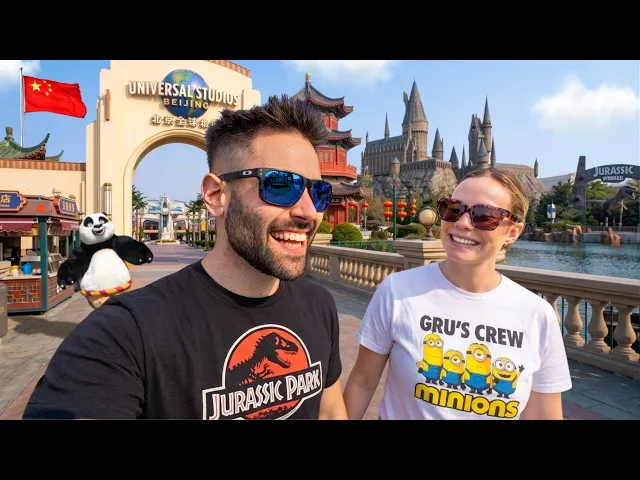
Our First Time at Universal Studios Beijing BLEW OUR MINDS
Universal Studios Beijing Highlights: Jurassic World, Harry
More about the current video:(Published on 2026-04-11)
Dave Mani embarks on a Beijing breakfast adventure with local guide Casey, aiming to discover what Chinese people actually eat in the morning. The journey kicks off with a savory tofu pudding, humorously nicknamed 'tofu brain' for its appearance, sparking the north-south debate over sweet versus savory versions. Next up is an Imperial beef burger, a nod to history where only emperors could afford the meat. At a dumpling shop run by an elderly owner who keeps checking on them, Dave learns that these dumplings were originally medicinal, shaped like ears to treat frostbite. A breakfast of fried dough dipped in soy milk follows—Dave loves the flaky dough but isn't a fan of the soy milk. Back at the first restaurant, they sample a beaver tail-like pastry from a century-old, fourth-generation shop; the sweet version, created by a lucky syrup spill, wins Dave over with its chewy crunch. Fried sticky rice balls with red bean paste offer another satisfyingly crispy bite. At a rare remaining farmers market—clean and organized against city norms—they try sticky rice dumplings steamed in bamboo leaves, with the savory pork version being a standout. A big surprise comes with fermented mung bean soup, a pungent, sour 'dying dish' that most younger generations avoid, which Dave describes as tasting like 'what steaming vegetables smell like.' The tour also reveals the reality of Beijing's traditional compounds, where families share small spaces and rely on public bathrooms and local eateries. A line-worthy spot yields a pancake with egg, cilantro, and bacon—the closest thing to a Western breakfast. In a secret, semi-illegal home kitchen, they eat a millet and sesame butter dish without stirring, a local pet peeve. Dessert features royal sweets reserved for emperors, like red bean balls and a nutty bun, though Dave finds them less sweet than Western treats. Throughout, Dave emphasizes the value of supporting family-run businesses and recommends Lost Plate Food Tours, using his code for savings.
FAQs (From the traveler's perspective)
Q: What does tofu brain taste like?
A: It's actually savory with soy sauce and mushrooms, like a tofu pudding. Not as scary as the name suggests!
Q: Is the Imperial beef burger really from emperors?
A: Yes, emperors would add beef because it was expensive. Normal people just ate the bread.
Q: What was the hardest food to eat?
A: The fermented mung bean soup. It's sour, thick, and tastes like what steaming vegetables smell like. Most locals don't even eat it anymore.
Q: Can foreigners handle Chinese breakfast?
A: Totally! There's even a pancake with bacon and cheese that feels like a North American breakfast. And the fried dough is amazing.
Q: What's the best dish on the tour?
A: The imperial beef burger was a favorite, and the sticky rice dumpling with pork was delicious.