Travel Guides & Tips in this video
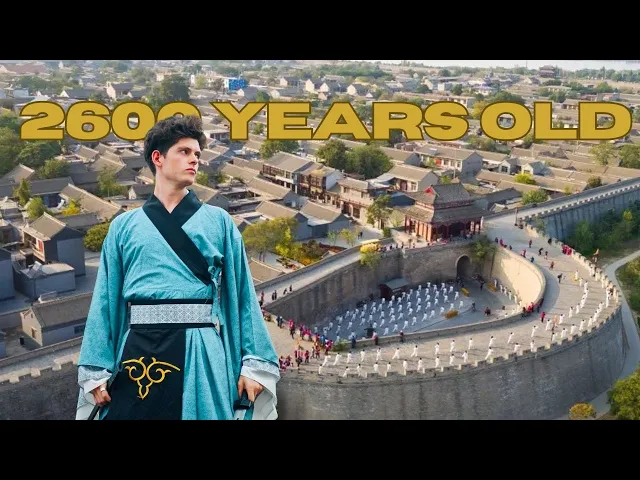
The China Adventure explores Nuanquan Ancient Town, whose buildings date back to the Yuan Dynasty and include roofs and wooden doors that remain part of local daily life. The traveler visits an ancient temple and climbs the city wall for views of the town and surrounding mountains. At a paper-cutting workshop, they learn about designs used to decorate homes. The visit concludes with the Make Treeflower Fungus show, a tradition described as 500 years old. Performers heat iron to 1,500°C and splash it against the city walls, creating sparks. The video also includes friendly interactions with local residents and reflections on why the historic town remains less widely known than other destinations. The source gives conflicting ages for the show: its long summary says 300 years, while its tips and body say 500 years.
Next travel video:

More about the current video:()

Architecture and life in Nuanquan
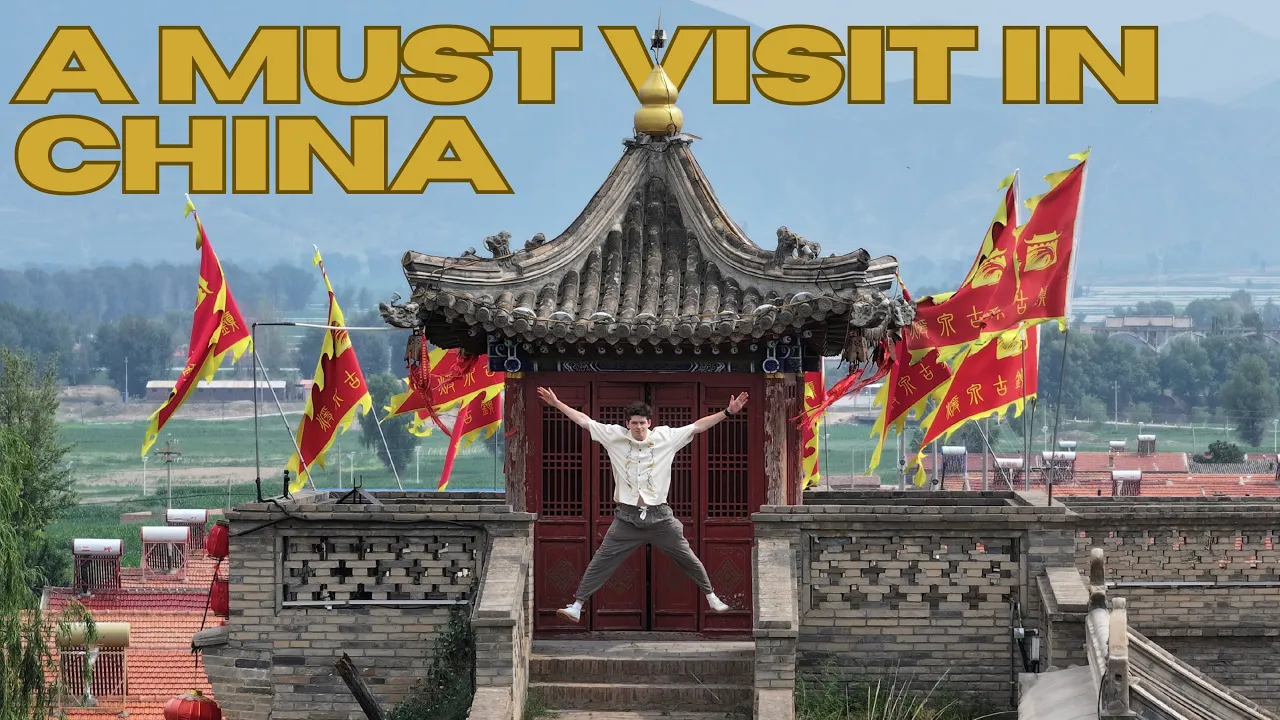
The China Adventure visits Nuanquan Ancient Town, built during the Yuan Dynasty and later flourishing in the Ming and Qing periods. The traveler is struck by the roofs, wooden doors, and atmosphere of the old town. Some buildings are still homes, so access is limited, but the visit offers a look at historic structures alongside daily life. The route includes an ancient temple and a climb up the city wall, where the traveler takes in views of the town and surrounding mountains. Bell towers and dragon statues add to the historical character of the area.
Paper cutting and the iron-spark show
A local vendor speaks with the traveler, and the journey continues to a paper-cutting workshop. The craft is used to make intricate designs that people display in their windows as home decorations. The workshop gives the visitor a chance to see how the pieces are made and to learn about their cultural role. The main event is the Make Treeflower Fungus show, described in the source as a 500-year-old tradition unique to Nuanquan. Performers heat iron to 1,500°C and splash it against the city walls, sending sparks into the air. The video compares the spectacle with fireworks and ends with a recommendation to visit the town.
Nuanquan’s architecture and the iron-spark performance are the focus of the trip. The traveler notes that access to many buildings is restricted because they are private homes, and wonders why the town is not better known. The visit balances the historical sites with a workshop, local conversation, and an evening performance. The traveler also remarks on the town’s relative obscurity, asking why a place with such old structures and a distinctive performance is not more widely visited. The buildings are not presented as a museum alone: local residents still live in many of them, and private homes are not generally open for tours. That limitation adds context to the walk through the streets. The paper-cutting demonstration offers a different way to understand the area’s cultural life, as the designs are made for windows in local homes. At the city wall, the traveler looks over the town and surrounding mountains before attending the iron-spark performance. The show’s heat and bright sparks create a dramatic final scene, but the trip also includes the quieter details of doors, roofs, a temple, and conversations with residents.
FAQs (From the traveler's perspective)
- Q: What is special about Nuanquan’s architecture?
- A: The traveler notices the roofs, wooden doors, and old-town atmosphere. Some buildings are still occupied by local residents, which means that not every structure is open to visitors.
- Q: What happens at the Make Treeflower Fungus show?
- A: The source describes a 500-year-old tradition in which performers heat iron to 1,500°C and splash it against the city walls, creating a shower of sparks.
- Q: What can visitors learn at the paper-cutting workshop?
- A: The workshop demonstrates the craft of cutting intricate designs from paper. The source explains that these pieces are commonly displayed in windows as home decorations.