Original source
China is FULL of Hidden Gems
Jiming Post House: Exploring Ancient China's Transportation Hub
Posthouses were essential in ancient China when people rode horses to send messages and official documents. Because the physical strength of horses was limited, they could not reach a faraway destination in one go. Hence, people had to change horses along the way, and house stations were established...
Posthouses were essential in ancient China when people rode horses to send messages and official documents. Because the physical strength of horses was limited, they could not reach a faraway destination in one go. Hence, people had to change horses along the way, and house stations were established along the main road. Later, the horse stations also functioned as hotels to provide accommodation and meals for officials and businessmen passing by, as post houses to convey information and mail, and as military fortresses to guard against enemies. Among a great number of post houses, the Jiming Post House is the largest one along the north main roads.
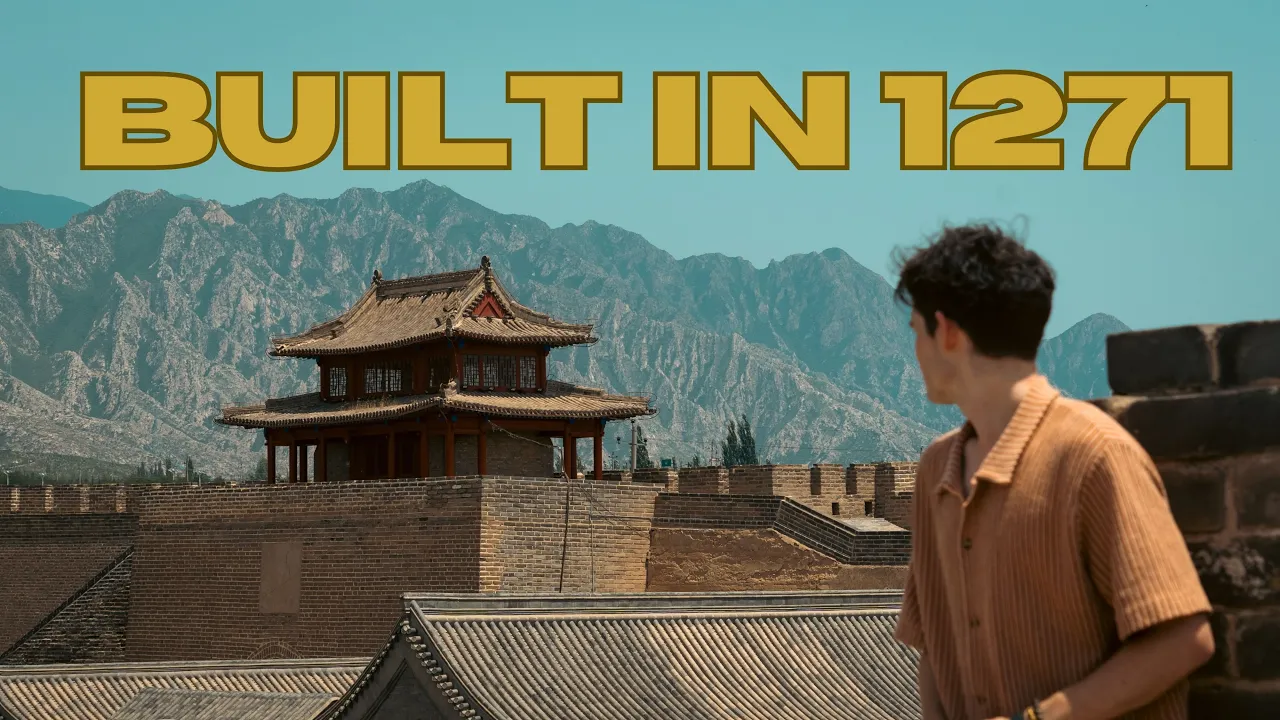
The Jiming Post House was first established in 1219 by Emperor Taizu of the Yuan Dynasty (1271-1368) before setting up his empire. In the eighteenth year (1420) during the Yongle Period of the Ming Dynasty (1368-1644), it was developed into the largest post house along the north post road, in which government offices, storehouses, opera pavilions, and temples were built. In the eighth year (1472) of the Chenghua Period in the Ming Dynasty, city walls were constructed around the post house. The city wall was renovated in the third year (1738) during the reign of Emperor Qianlong in the Qing Dynasty (1644-1911). Although the post house has lost its original functions nowadays, tourists can still have a glimpse of its past splendors by the preserved ancient buildings.
Explore the hidden gem of Jiming Post House, a sprawling complex that once served as a vital hub in ancient China. Established in 1219, it evolved from a simple horse-changing station into a magnificent center housing government offices, storehouses, and even opera pavilions. Imagine the bustling activity, the flow of information, and the echoes of history within these ancient walls! Today, visitors can marvel at the preserved architecture and transport themselves back in time.
Posthouses were essential in ancient China when people rode horses to send messages and official documents. Because the physical strength of horses was limited, they could not reach a faraway destination in one go. Hence, people had to change horses along the way, and house stations were established along the main road. Later, the horse stations also functioned as hotels to provide accommodation and meals for officials and businessmen passing by, as post houses to convey information and mail, and as military fortresses to guard against enemies. Among a great number of post houses, the Jiming Post House is the largest one along the north main roads.
The Jiming Post House was first established in 1219 by Emperor Taizu of the Yuan Dynasty (1271-1368) before setting up his empire. In the eighteenth year (1420) during the Yongle Period of the Ming Dynasty (1368-1644), it was developed into the largest post house along the north post road, in which government offices, storehouses, opera pavilions, and temples were built. In the eighth year (1472) of the Chenghua Period in the Ming Dynasty, city walls were constructed around the post house. The city wall was renovated in the third year (1738) during the reign of Emperor Qianlong in the Qing Dynasty (1644-1911). Although the post house has lost its original functions nowadays, tourists can still have a glimpse of its past splendors by the preserved ancient buildings.
This video by The China Adventure explores Jiming Station, a remarkably preserved ancient post station in China. Dating back to the Ming Dynasty, Jiming Station is more than just a historical site; it's a testament to China's rich postal history. The station's imposing city walls, standing 11 meters high and stretching nearly 2 kilometers, immediately capture the viewer's attention. These walls, built with rammed earth and bricks, highlight the strategic importance of Jiming Station as a key point along ancient trade and communication routes.
The video delves into the history of the Chinese postal service, tracing its origins back to the Yin and Shang Dynasties. Jiming Station's museum showcases artifacts and inscriptions that illuminate this long and fascinating history. The narrator highlights the station's crucial role in disseminating information and maintaining order across vast distances within China. The sheer scale of the station's walls, far exceeding what one might expect from a simple post office, underscores its importance as a center of communication, trade, and even defense.
Beyond the historical significance, the video showcases Jiming Station's surprisingly preserved buildings. An old theater, complete with original stage features and faded paintings, offers a glimpse into the station's vibrant past. The narrator describes puppet shows and dances that once took place within its walls, painting a vivid picture of daily life at Jiming Station. The exquisite carvings and murals found throughout the complex are also highlighted, showcasing intricate craftsmanship and offering valuable insights into ancient building techniques.
The video culminates with The China Adventure sending postcards from the station's still-functioning post office, a delightful touch that connects the past with the present. The experience at Jiming Station is described as authentic and local, a welcome departure from more heavily commercialized tourist destinations. The video concludes by emphasizing Jiming Station as a place to learn about China's history and traditions, a hidden gem that offers a unique and unforgettable travel experience. The overall tone is one of wonder and appreciation for the unexpected treasures found in lesser-known corners of China.
Explore the world's first post office, Jiming Station, a hidden gem in China! Journey back in time through its 600-year-old history, marvel at the city walls, and discover a surprisingly well-preserved theater. The China Adventure reveals the station's unique blend of history, culture, and surprisingly modern postal services. Send a postcard from this incredible place!
The China Adventure discovers Jiming Station, a historic Chinese post office. Explore ancient walls, a preserved theater, and send a postcard from this unique, time-traveling experience.
Jiming Station: Exploring China's Historic Post Office
0:08 Visit Jiming Station, the world's first post office, and explore its historical significance. Discover the well-preserved ancient buildings and learn about its role in China's communication network.
1:03 Explore the museum at Jiming Station to delve deeper into the history of the Chinese postal service, tracing its origins back to the Yin and Shang Dynasties. See artifacts and inscriptions that tell the story.
2:02 Experience the local side of China by visiting Jiming Station, a less commercialized destination that offers a more authentic cultural experience. Enjoy a peaceful exploration.
2:19 Discover the ancient theater within Jiming Station. Marvel at the preserved stage, faded paintings, and imagine the performances that once took place within its walls.
3:34 Send a postcard from Jiming Station's still-functioning post office. It's a unique way to connect with the station's history and create a lasting memory of your visit.
4:23 Step back in time at Jiming Station. Explore the preserved buildings and imagine life in this important strategic and economic center hundreds of years ago. Learn about the past and its connection to the present.
0:00 Introduction Jiming Station
0:26 Ming Dynasty Post Station
1:03 History of Chinese Post
1:36 Importance of Post Stations
2:02 Local and Authentic Experience
2:19 Ancient Theater
3:14 Ming & Qing Dynasty Murals
3:34 Sending Postcards
4:23 Stepping Back in Time
0:00 Introduction Jiming Station
0:26 Ming Dynasty Post Station
1:03 History of Chinese Post
1:36 Importance of Post Stations
2:02 Local and Authentic Experience
2:19 Ancient Theater
3:14 Ming & Qing Dynasty Murals
3:34 Sending Postcards
4:23 Stepping Back in Time