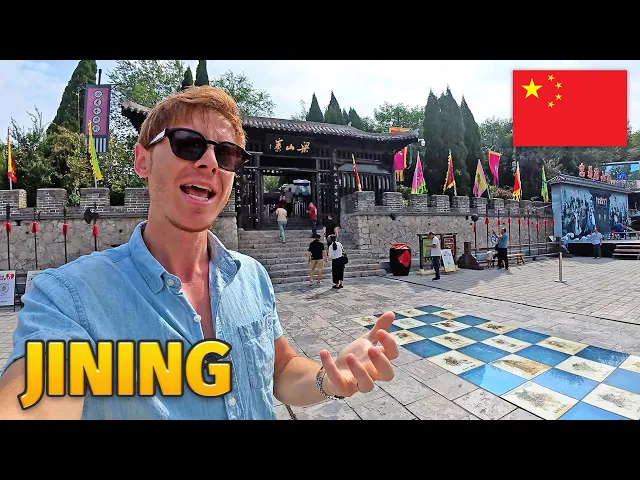
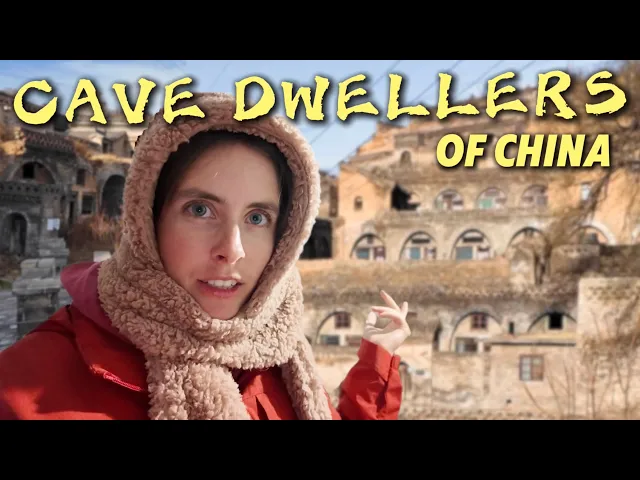
Explore Jing Chang's ancient history, from the grand Huangcheng Xiangfu mansion to the defensive Digua Fortress and the living Xiangyu Ancient Castle. Experience China's rich heritage.
Travel Guides & Tips in this video
Step back in time with Living In China as they explore the ancient wonders of Jing Chang. Discover Huangcheng Xiangfu, a breathtaking mansion and fortress, and Digua Fortress, a testament to Ming Dynasty defense. Finally, wander through Xiangyu Ancient Castle, a living fortress village. Experience China's millennia-old history firsthand, a journey through architectural marvels and enduring traditions.
Next travel video:
6 min
China's 5,000-Year History: Ancient Wonders & Unseen Culture
China has THOUSANDS of Years of History (America don't have sh*t)
👍 Thanks for watching! See you in the next one!
How FREE are Chinese People? 中国到底有多自由?🇨🇳 Unseen China
Jing Chang: Ancient Castles & Mansions of China's History
Embark on a journey through China's 5,000-year history, a stark contrast to the relatively young history of America. This video delves into the rich tapestry of Chinese heritage, showcasing ancient wonders and the enduring spirit of its people. Prepare to be amazed by the depth of culture and the stories etched in time, offering a unique perspective on China's place in the world.
Attractions in this video: Huangcheng Xiangfu, Digua Fortress, Xiangyu Ancient Castle
More about the current video:(Published on 2025-09-24)
This video takes us on a journey to Jing Chang, a city nestled in the mountains of Shanxi, China, where history and tradition are not just relics of the past but are vibrantly alive. The traveler, Living In China, explores this ancient locale, highlighting its deep historical roots, which span over 5,000 years, a stark contrast to the relatively young history of America.
The exploration begins at Huangcheng Xiangfu, the Imperial City Prime Minister's Mansion. This magnificent estate, built on cliffs, was the home of Chen Tingjing, a prominent scholar and prime minister during the Qing Dynasty. It's a sprawling complex, covering over 36 hectares with more than 640 rooms, essentially a city within a city. Its dual nature, with a Ming Dynasty fortress for defense and a Qing Dynasty expansion for luxurious living, makes it a unique architectural marvel. The site's significance is further emphasized by Emperor Kangxi's visits and its use as a filming location for the TV series "Kangxi Wangchao."
Beyond Huangcheng Xiangfu, the journey continues to Digua Fortress, another Ming Dynasty stronghold designed for defense. This fortress, though perhaps less famous, tells a compelling story of military strategy and family life, as generations of the Chen clan resided within its walls. It served as both a military bastion and a family estate, showcasing the resilience and ingenuity of its inhabitants.
Finally, the video ventures to Xiangyu Ancient Castle, a fortress village also from the late Ming Dynasty. Dubbed the "underground Great Wall of China," this living community is intricately woven with over 1,000 houses, courtyards, and alleyways. Unlike European castles that symbolize power and hierarchy, Chinese ancient castles like Xiangyu embody family unity and collective wisdom, integrating residential defense with community life. The traveler emphasizes that in Jing Chang, history is not found in ruins but is a living, breathing entity, evident in the stone walls, daily life, and the enduring spirit of its people.
FAQs (From the traveler's perspective)
Q: What is Huangcheng Xiangfu?
A: It's the Imperial City Prime Minister's Mansion, a grand estate built on cliffs, home to Qing Dynasty scholar Chen Tingjing.
Q: Why is Huangcheng Xiangfu significant?
A: It's architecturally unique, historically important with visits from Emperor Kangxi, and was a filming location for 'Kangxi Wangchao'.
Q: What is Digua Fortress?
A: It's a Ming Dynasty stronghold with stone walls and watchtowers, built for defense and also served as a family estate.
Q: What is special about Xiangyu Ancient Castle?
A: It's a living fortress village from the Ming Dynasty where families still reside, known as the 'underground Great Wall of China'.
Q: What is the difference between European and Chinese ancient castles?
A: European castles symbolize power and nobility, while Chinese ancient castles embody family unity and collective wisdom for residential defense.