Original source
24 Hours on China's Holiest Mountain
Mount Wutai: China's Sacred Five-Terrace Mountain
Mount Wutai is identified as the worldly abode of the bodhisattva of Wisdom, Manjushri, located in Shanxi Province, China. It is one of the four great sacred Buddhist mountains of China. Due to its unusually cold weather, with numerous medieval reported mid-summer snowfalls, the mountain became known...
Mount Wutai is identified as the worldly abode of the bodhisattva of Wisdom, Manjushri, located in Shanxi Province, China. It is one of the four great sacred Buddhist mountains of China. Due to its unusually cold weather, with numerous medieval reported mid-summer snowfalls, the mountain became known as Mount Qingliang, Clear and Cool Mountain.
Its five grass-covered flat peaks are arranged in a crescent-shaped configuration and are located above the tree line around 3,000 m. Accordingly, the mountain obtained its name Wutai Shan, the Five-Terrace Mountain. The mountain peaks appear from the far distance like heavenly altars and are conventionally referred to by their cardinal directions. Together the peaks are believed to constitute Manjushri’s mandala with a different emanation of Manjushri residing on each peak.
Embark on a breathtaking journey to Mount Wutai, China's holiest mountain, and witness the awe-inspiring beauty of its five peaks. Explore the rich history and spiritual significance of this sacred site, where the bodhisattva of Wisdom resides. Discover why it's known as the Clear and Cool Mountain, and delve into the unique geography and cultural significance of this majestic landscape. Prepare to be captivated by the serenity and spiritual energy of Mount Wutai.
Mount Wutai is identified as the worldly abode of the bodhisattva of Wisdom, Manjushri, located in Shanxi Province, China. It is one of the four great sacred Buddhist mountains of China. Due to its unusually cold weather, with numerous medieval reported mid-summer snowfalls, the mountain became known as Mount Qingliang, Clear and Cool Mountain.
Its five grass-covered flat peaks are arranged in a crescent-shaped configuration and are located above the tree line around 3,000 m. Accordingly, the mountain obtained its name Wutai Shan, the Five-Terrace Mountain. The mountain peaks appear from the far distance like heavenly altars and are conventionally referred to by their cardinal directions. Together the peaks are believed to constitute Manjushri’s mandala with a different emanation of Manjushri residing on each peak.
This video follows The China Adventure as they embark on an unexpected journey to Mount Wutai, a sacred mountain in Shanxi Province, China. Initially planning a short trip to a different location, a chance encounter leads them to this holy site, resulting in a spontaneous adventure.
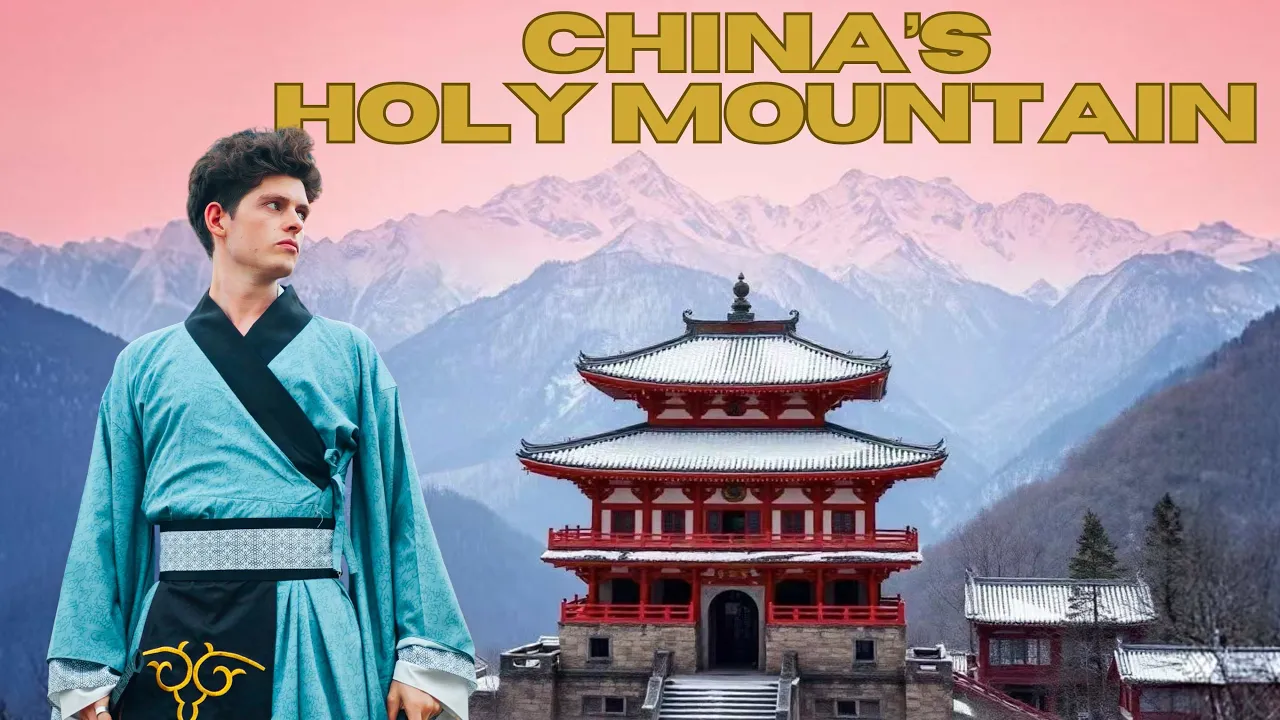
The journey begins with a 3-hour drive, arriving late at night. The next morning, they explore the Wusu Temple, one of the most famous temples on the mountain, marveling at its ancient architecture and the snow-covered roofs. The temple features the oldest surviving wooden structures in China, dating back to the year 600-700 AD. The atmosphere is described as ancient, peaceful, and filled with the scent of incense and the sound of wind chimes.
Their adventure continues as they ascend to the East Terrace of Mount Wutai, enjoying panoramic views of the snow-covered mountainside. The history of the mountain is highlighted, with mentions of temples over 2000 years old and historical accounts of Indian visitors as far back as 700 AD. The stunning scenery, described as a mix of Wangchuan and Huangshan-style mountains, is breathtaking.
The spontaneous nature of the trip is emphasized, showcasing the unexpected joys of travel. The China Adventure's enthusiasm for exploring Shanxi Province is evident, expressing a desire to return and fully explore the region. The video also includes a segment on local cuisine, sampling various dishes such as dry tofu with vegetables, noodles made from pancakes (bingan), and yoman noodles. The experience is capped off with a final meal before heading to the airport.
Throughout the video, the editor's voice conveys a sense of awe and wonder at the beauty and history of Mount Wutai. The traveler's spontaneous and joyful reaction to the unexpected adventure is palpable, highlighting the magic of unplanned journeys and the beauty of embracing the unexpected.
Explore the breathtaking beauty and profound spirituality of Mount Wutai, one of China's four sacred Buddhist mountains. Join The China Adventure as they journey through ancient temples, snow-covered peaks, and experience the unique culture of Shanxi Province. From the oldest surviving wooden structures to the delectable local cuisine, this video offers a captivating glimpse into a world of serenity and wonder. Don't miss this immersive adventure!
The China Adventure explores the holy Mount Wutai in Shanxi, China, experiencing ancient temples, stunning views, and delicious local food. A truly spiritual and unforgettable journey!
Mount Wutai: Exploring China's Holy Mountain
2:10 Visit Wusu Temple, one of the most famous temples on Mount Wutai, known for its ancient architecture and peaceful atmosphere.
2:23 Ascend to the East Terrace for breathtaking panoramic views of the mountainside and surrounding areas.
3:01 Learn about the rich history of Mount Wutai, including its ancient temples and historical significance as a Buddhist site.
4:13 Explore the unique scenery of Mount Wutai, a blend of different mountain styles, offering diverse and stunning views.
5:10 Immerse yourself in the local culture by exploring the numerous temples and learning about the history and traditions of the region.
5:56 Indulge in the local cuisine, trying various dishes and experiencing the unique flavors of Mount Wutai.
6:08 Sample local dishes like dry tofu with vegetables, noodles made from pancakes (bingan), and yoman noodles.
0:26 Arrival at Mount Wutai
1:10 Wusu Temple exploration
2:23 Ascent to East Terrace
3:01 History and significance
4:48 Scenic views and reflection
5:10 Cultural immersion
5:56 Local cuisine experience
8:33 Conclusion and departure
0:26 Arrival at Mount Wutai
1:10 Wusu Temple exploration
2:23 Ascent to East Terrace
3:01 History and significance
4:48 Scenic views and reflection
5:10 Cultural immersion
5:56 Local cuisine experience
8:33 Conclusion and departure